
Last updated November 14, 2026
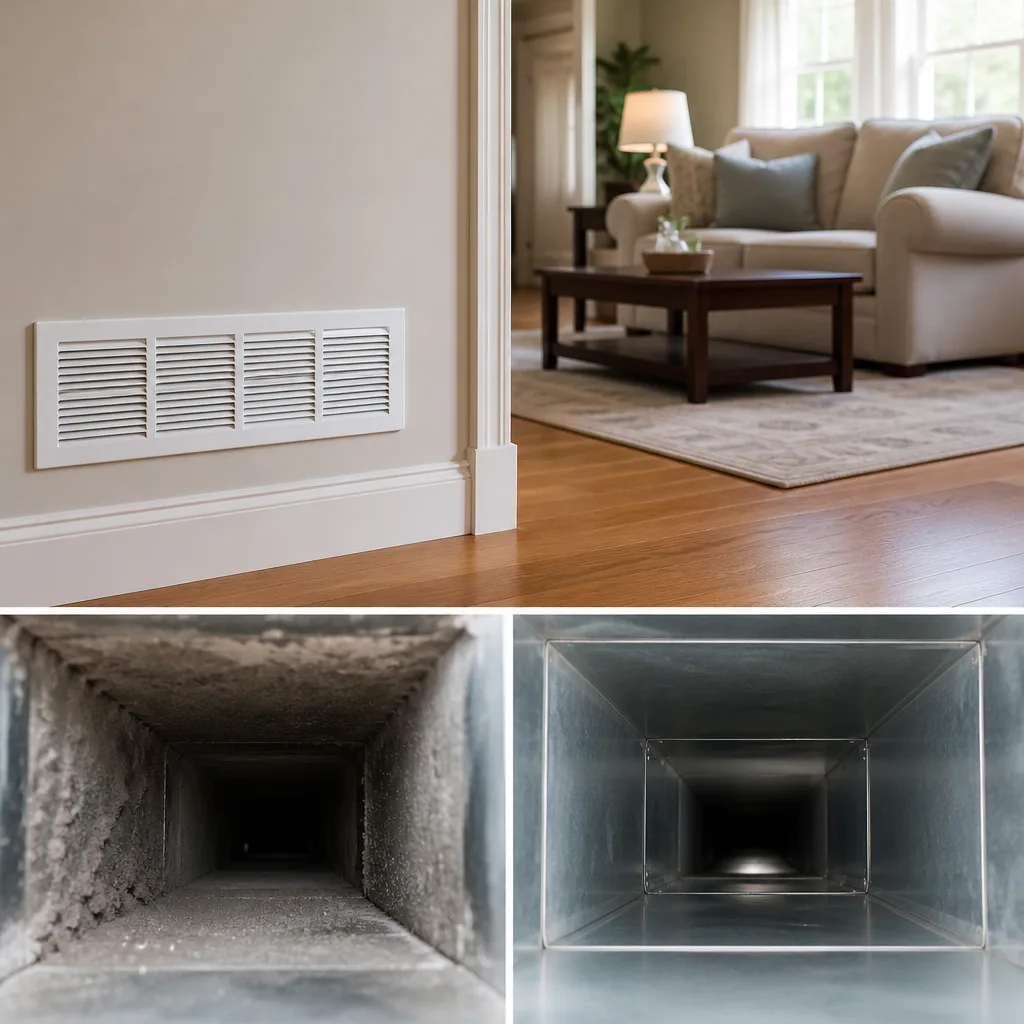 Whole-home duct cleaning
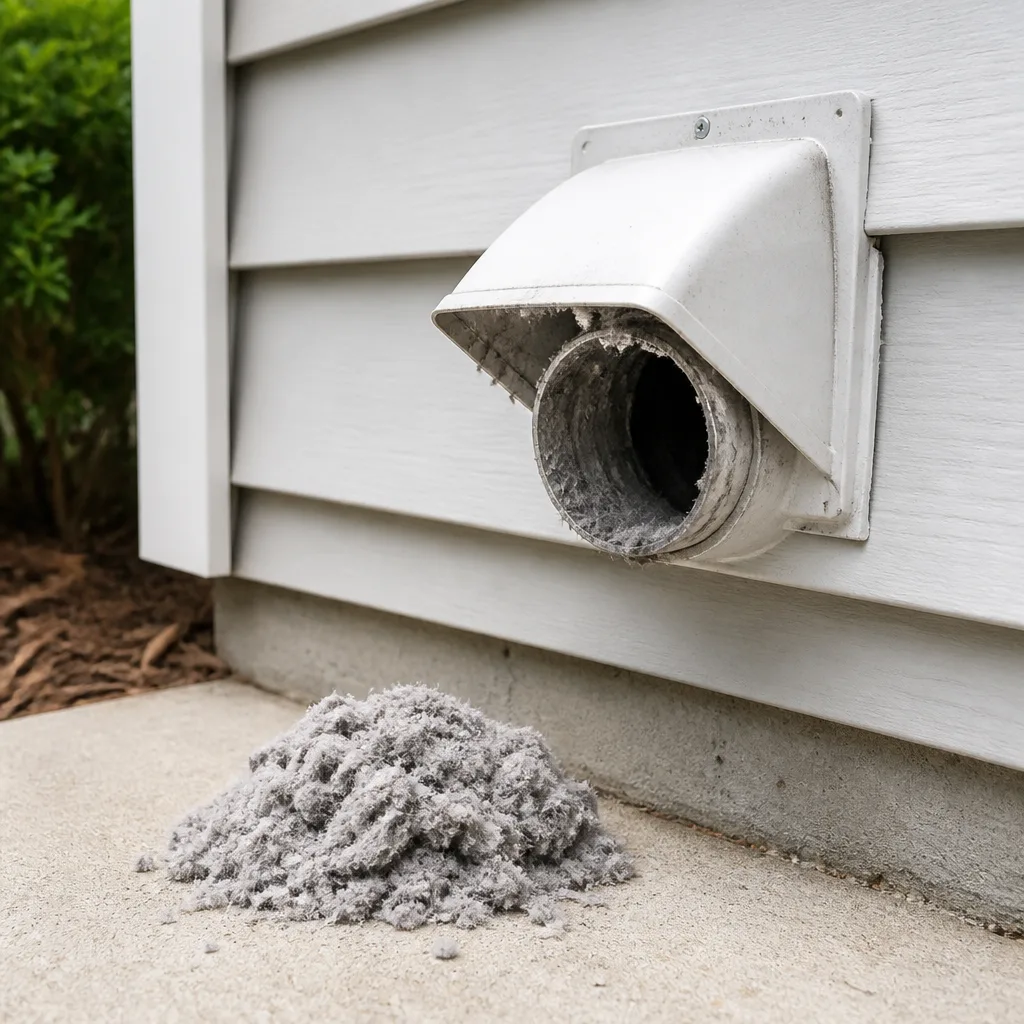 Dryer vent cleaning
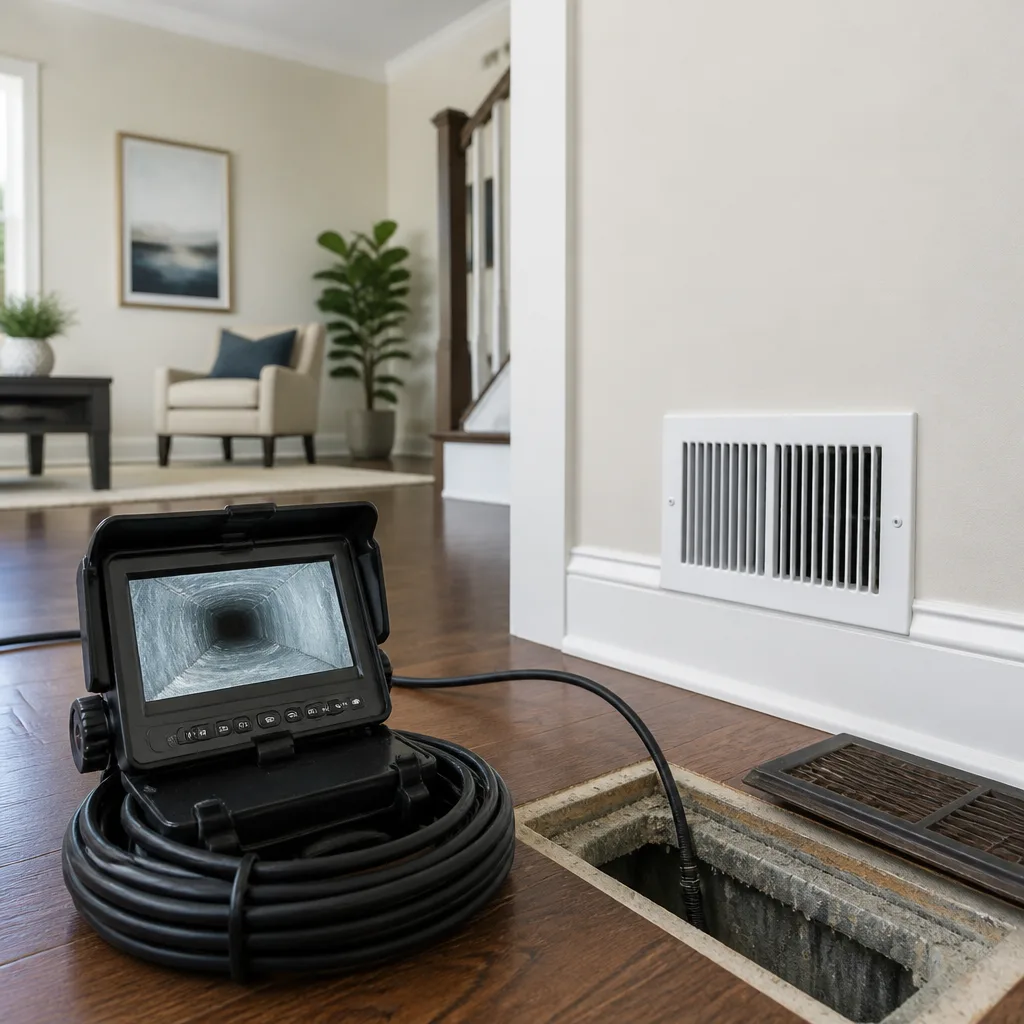 Camera inspection
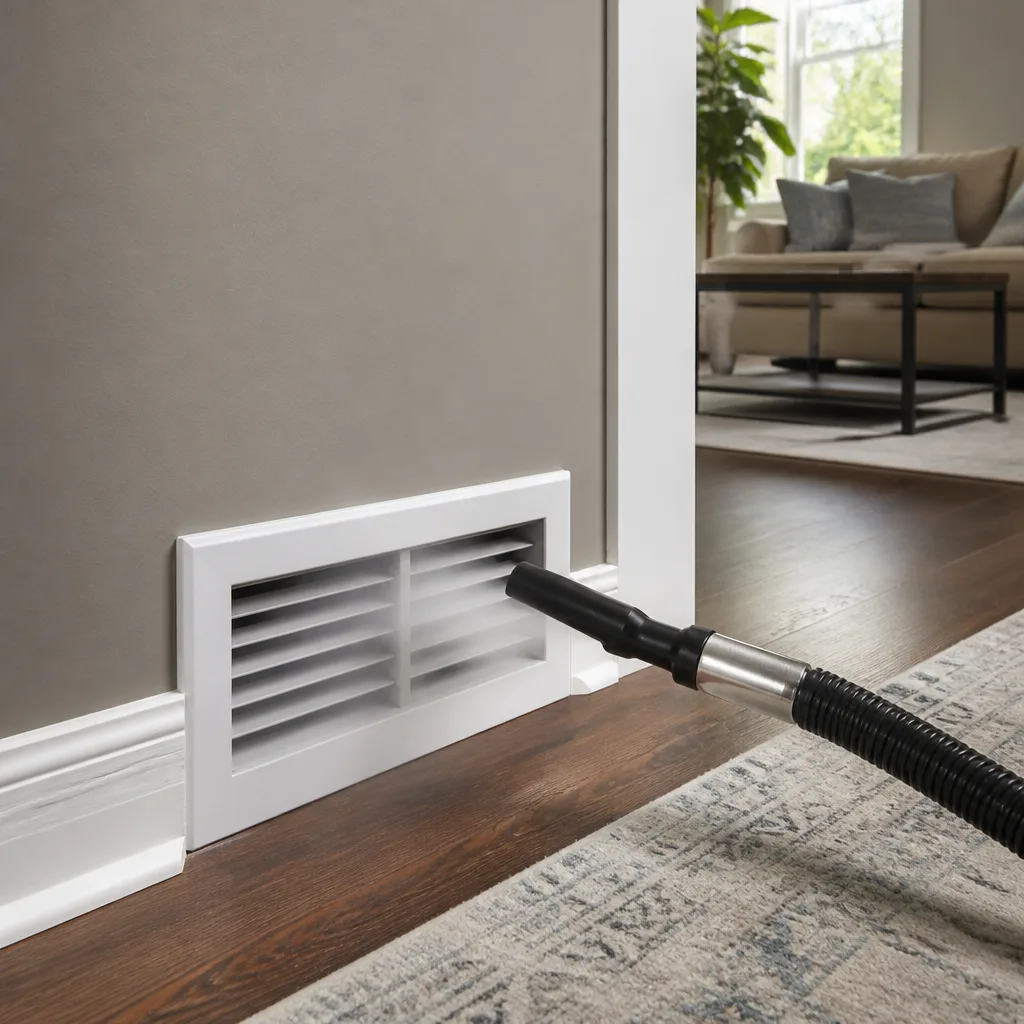 Sanitizing & deodorizing
Whole-system duct and dryer vent check with before-and-after photos - you see exactly what came out of your vents
That "$99 whole-house special" is a bait ad - the real number appears once they are in your hallway, or the "clean" is a shop-vac at the register. We photograph the inside of your ducts before and after instead.
Air Duct Cleaning Maintenance Schedule: What to Do and When
The most repeated number in this trade is three to five years. That window comes from guidance built around an average household: no pets, no smokers, competent filtration, no recent renovation. Most Everett homes don’t fit that profile. Between wet winters, crawl-space duct runs, and the number of houses with a shedder or two under the roof, the honest answer to “how often should air ducts be cleaned” isn’t a number at all. It’s a decision tree. This guide gives you one: the real triggers that reset the clock, the quarterly checks you can do yourself, and the tasks that matter more between cleanings than the cleaning itself.
Quick Answer
There’s no universal interval. A home with no pets, a well-sealed duct system, and a properly maintained MERV 8 to 11 filter can reasonably go 3 to 5 years between cleanings. Add a pet, a renovation, a new-home purchase, or a crawl-space duct run in Everett’s damp climate and that clock resets immediately, regardless of how much time has passed. The schedule that works is built from triggers and seasonal checks, not a fixed calendar.
Styles & brands we work with
- Whole-home duct cleaning
- Dryer vent cleaning
- Camera inspection
- Sanitizing & deodorizing
Table of Contents
- How Often Should Air Ducts Be Cleaned in Everett?
- The Six Triggers That Reset the Clock
- Filter Maintenance: The Highest-Leverage Task Between Cleanings
- Seasonal Checks Specific to Everett’s Climate
- The Quarterly Register and Grille Inspection You Can Do Yourself
- Logging Your Cleaning and Repair History
- Common Mistakes to Avoid
- When to Call a Professional
How Often Should Air Ducts Be Cleaned in Everett?
The standard guidance of every three to five years is a reasonable starting point for the cleanest-case household, and it’s the answer you’ll see cited most often. But it was never meant to be applied mechanically. It assumes the average home: average occupancy, no indoor pets, no tobacco use, a filter changed on schedule, and ducts that aren’t pulling air from a damp crawl space. In Everett, that average is rare.
We’ve inspected systems in older north Everett bungalows where a decade had passed with no cleaning and the interior liner was still in decent shape because the homeowner changed filters like clockwork and never owned a pet. We’ve also seen systems in newer construction in the Silver Lake and Holly areas that accumulated serious debris in under two years after a renovation. Time elapsed tells you very little. What accumulates tells you everything.
So the framework we recommend to Everett homeowners works like this:
- Baseline: Start with a full inspection. If a camera inspection shows clean, well-sealed ductwork, you likely have three to five years of runway.
- Adjust: Every trigger in the next section resets that clock to zero. A new pet means re-inspect within the year. A renovation means re-inspect when the dust has settled, quite literally.
- Verify: Between professional cleanings, your quarterly register checks and filter changes are the early warning system. If they start showing heavy buildup faster than expected, the interval shortens.
The framework also matters for property managers. A rental unit with a rotating cast of occupants needs an inspection at every turnover, not a calendar reminder. Occupant behavior varies so widely that a fixed schedule is nearly meaningless. If you manage properties in Everett, treat every change of tenant as a trigger rather than waiting for a five-year mark that may never have applied in the first place.
The Six Triggers That Reset the Clock
Six events change the contamination load in a duct system enough that the elapsed-time question becomes secondary. When any one of them happens, schedule an inspection. Not necessarily a cleaning, but an inspection, because you shouldn’t pay for a full cleaning if the system is still in good shape. Any provider worth calling will camera-inspect first and tell you honestly.
- A new pet joins the household. Pet dander and hair don’t hang in the air indefinitely. They settle, and the return-air side of a duct system pulls them into the duct run. Even a short-haired cat or a medium-sized dog can meaningfully change the accumulation rate within a year.
- A renovation or remodel happens. Drywall dust, insulation fibers, and construction debris are far finer than ordinary household dust and travel deeper into the system. Schedule the inspection after the contractor has finished and the space has been cleaned, not during the work. Cleaning mid-renovation wastes money because the ducts fill right back up.
- You upgrade your HVAC filter grade. This sounds counterintuitive, but a jump from a low-grade fiberglass filter to a properly sized MERV 11 or 13 changes the load on the system. Higher filtration captures more upstream, but it also changes airflow, and if the filter is undersized for the static pressure it creates, it can pull air from imperfectly sealed joints in the duct run instead. Get the filter spec right before assuming the ducts are the problem.
- You buy or move into a home. You have no idea how the previous occupants treated the system. A pre-move-in inspection in an Everett home is cheap insurance against discovering a serious accumulation problem months after you’ve unpacked everything.
- You notice a persistent odor or visible dust streaking at the registers. This is one of the most reliable early triggers. A musty smell that gets stronger when the heat comes on usually means moisture and organic growth somewhere in the run, and the moisture source needs to be found, not just cleaned around.
- Your home has a crawl space with duct runs in it. This is common in Everett, especially in older neighborhoods, and it changes everything about the schedule. More on this in the seasonal section below.
The trigger-based framework is more work than a calendar reminder, but it produces far better outcomes. You’ll spend less over a decade and end up with cleaner air than you would on a fixed three-year or five-year rotation.
Filter Maintenance: The Highest-Leverage Task Between Cleanings
Nothing you do between professional cleanings matters more than the filter. A duct system is only as clean as the barrier protecting it, and the filter is that barrier. Get this right and you extend the interval between cleanings significantly. Get it wrong and you’re paying for cleaning you didn’t need to do yet.
MERV ratings measure filtration efficiency on a standardized scale. The number matters less than what it means for your ducts:
- MERV 1 to 4 (basic fiberglass): Catches large particles like lint and hair. Almost nothing else. Common as a builder-grade filter, and rarely adequate for a home with pets or anyone with respiratory sensitivity. Most of what gets through ends up on the duct liner.
- MERV 5 to 8: Catches finer dust, mold spores, and some pollen. A reasonable baseline for a home with no pets and no one with particular sensitivity.
- MERV 9 to 12: Catches fine dust, pet dander, and most pollen and mold spores. This range is where most well-sealed residential systems in Everett perform best without creating meaningful static pressure problems. MERV 11 is a common sweet spot.
- MERV 13 and above: Captures very fine particles and some viruses. These filters create significant resistance. Unless your system was designed for them, they can starve airflow, and that can pull unfiltered air through every loose joint in the duct run. Check with your HVAC contractor before installing one.
Change interval depends on filter grade, occupancy, and pet count. A 1-inch MERV 8 filter in a pet-free home might last three months. The same filter with two dogs might load up in six weeks. A 4-inch media filter, the kind used with filtration upgrades from brands like Aprilaire or Honeywell, holds far more dust and may go six months to a year between changes. Check monthly for the first two months after a new install so you learn the actual loading rate for your home.
One detail that gets missed: filter fit matters. A filter that doesn’t seal properly around its edges lets air bypass it entirely. If you can see light around the edges of the filter frame, the bypass is doing more damage than the filter is doing good. This is a common failure in older Everett homes where the filter slot has warped or the previous owner installed the wrong size.
When we do a full cleaning on a system that has a poor filtration setup, we’ll often recommend an upgrade to a Honeywell or Aprilaire cabinet or media filter as part of the work. The right filter installed correctly is worth more than any accessory added downstream.
Seasonal Checks Specific to Everett’s Climate
Everett’s climate is the single biggest variable that separates a local schedule from a generic one. Wet winters and humid shoulder seasons mean duct systems here face a moisture load that systems in dry climates simply don’t. The most important seasonal task in Everett happens before the heating season starts.
Pre-Heating-Season Inspection (September to October)
Run the system in heating mode for the first time in months and pay attention. A musty smell that wasn’t there in the spring is a strong signal that moisture has been sitting somewhere in the system over the summer. The pre-heating-season check is the time to catch condensation damage in crawl-space duct runs before mold has time to establish itself through the fall and winter. Once mold colonizes the porous liner of a flex duct, cleaning alone cannot remove it. The affected section has to be replaced. Finding the moisture source early is dramatically less expensive than cleanup later.
If you have crawl-space ducts, inspect them yourself if access is safe. Look for:
- Visible condensation on the exterior of duct runs
- Sagging or disconnected flex duct sections
- Standing water or persistent dampness on the vapor barrier beneath the ducts
- Any visible discoloration on the duct insulation, especially at joints or low points
If you find any of these, don’t run the system. Call a professional for inspection and repair. A breached or collapsed duct in a damp crawl space is one of the most important things to catch early, and it’s exactly the kind of structural problem that cleaning alone cannot fix. We repair duct sections other cleaning-only companies walk past.
Spring Check (March to April)
After a wet winter, this is when you look for damage rather than growth. Cracked joints, disconnected runs, or insulation damage from the freeze-thaw cycle are the typical findings. A camera inspection will show you what a flashlight can’t. This is also a good time to check that the return-air grilles haven’t accumulated dust from a heating season of use.
Mid-Summer Check (July to August)
If you run air conditioning or a heat pump, the summer is when condensation forms on cold duct surfaces in a warm, humid crawl space. The physics is the same as the outside of a cold glass. Inspect for water staining on duct insulation at the coldest sections, which are usually closest to the coil. Repair damaged insulation before the heating season starts.
If you’re not sure what you’re looking at, a professional inspection with a camera and moisture meter will tell you. We use Rotobrush camera equipment for exactly this reason: it lets you see conditions rather than guess at them.
See the difference
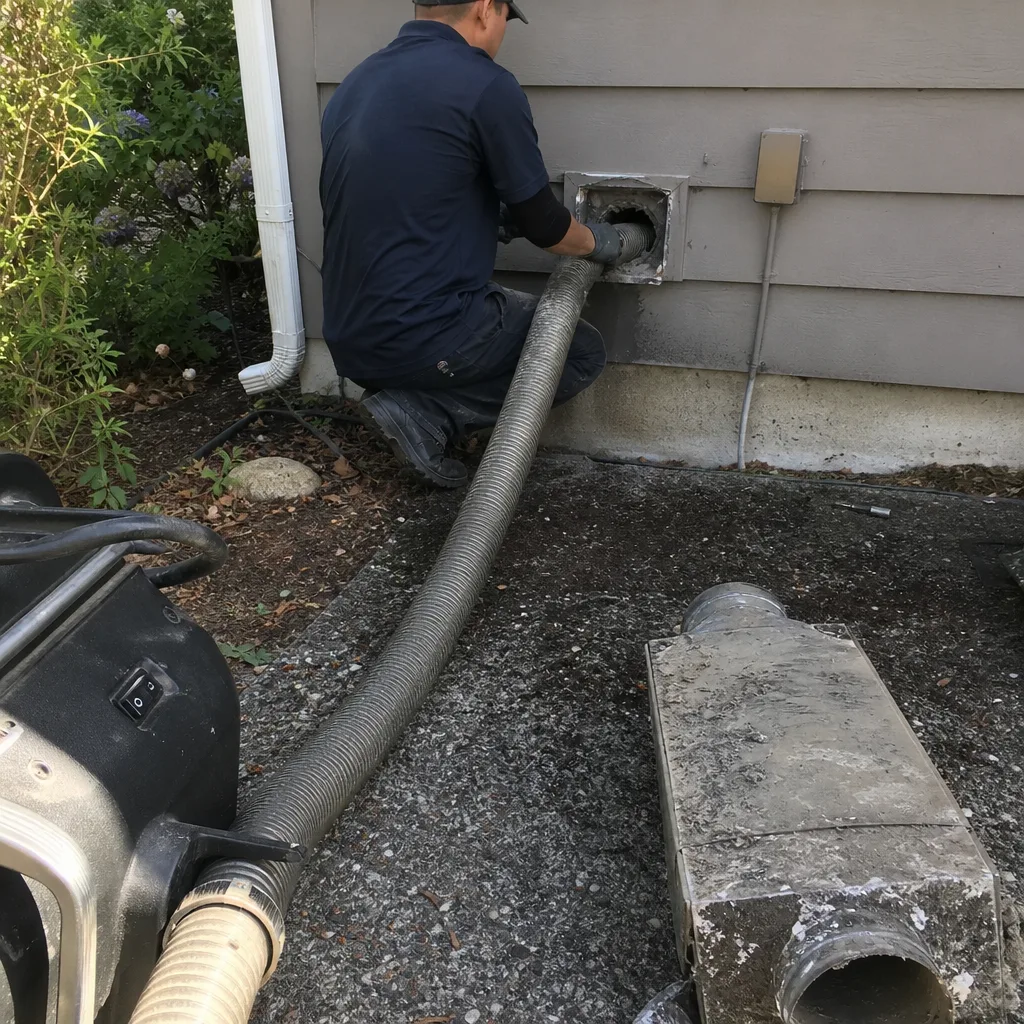 Before
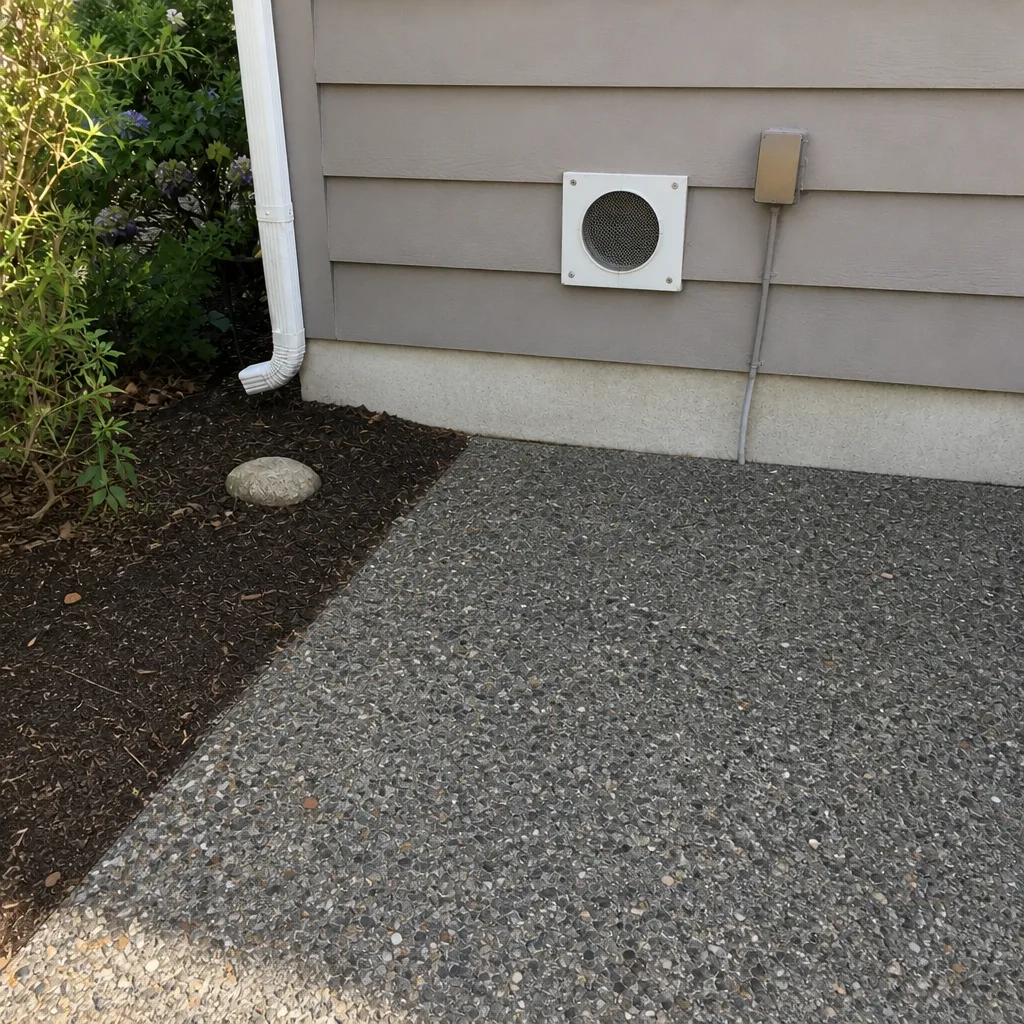 After
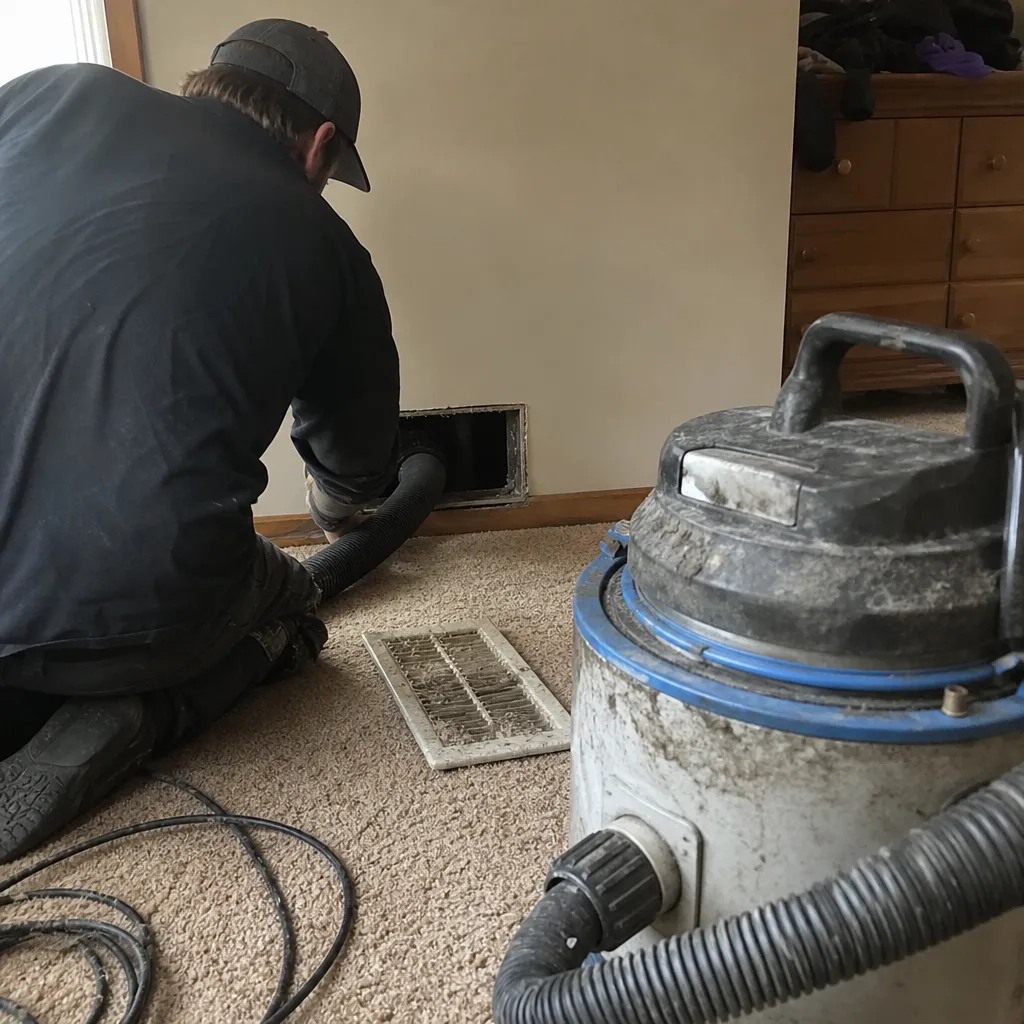 Before
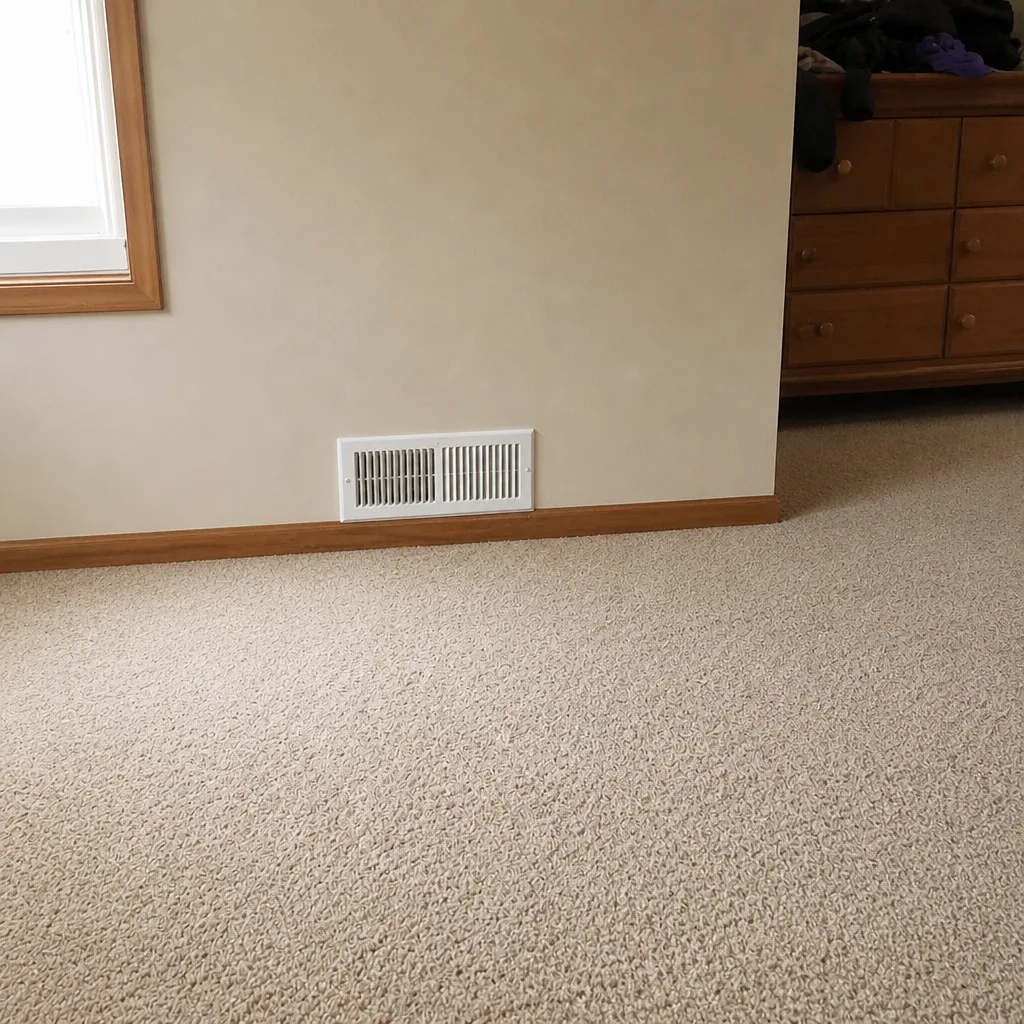 After
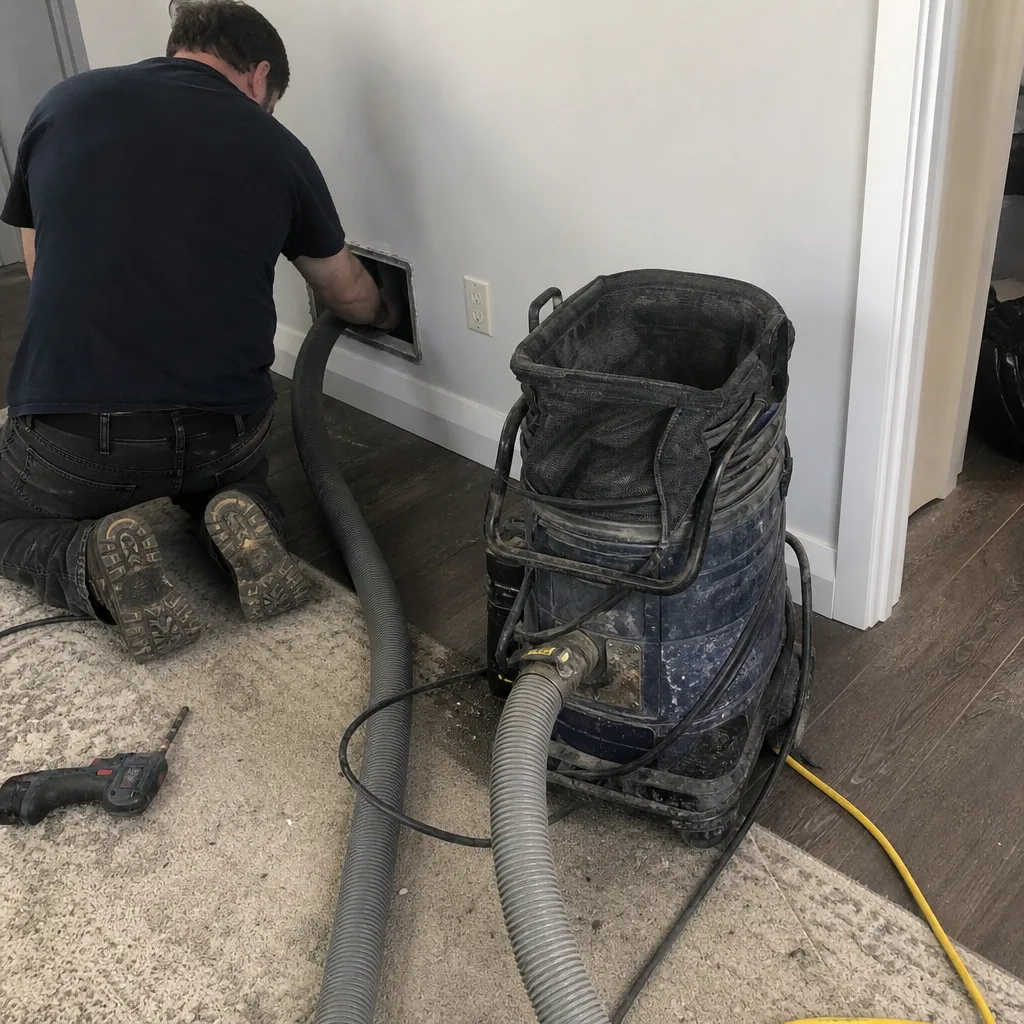 Before
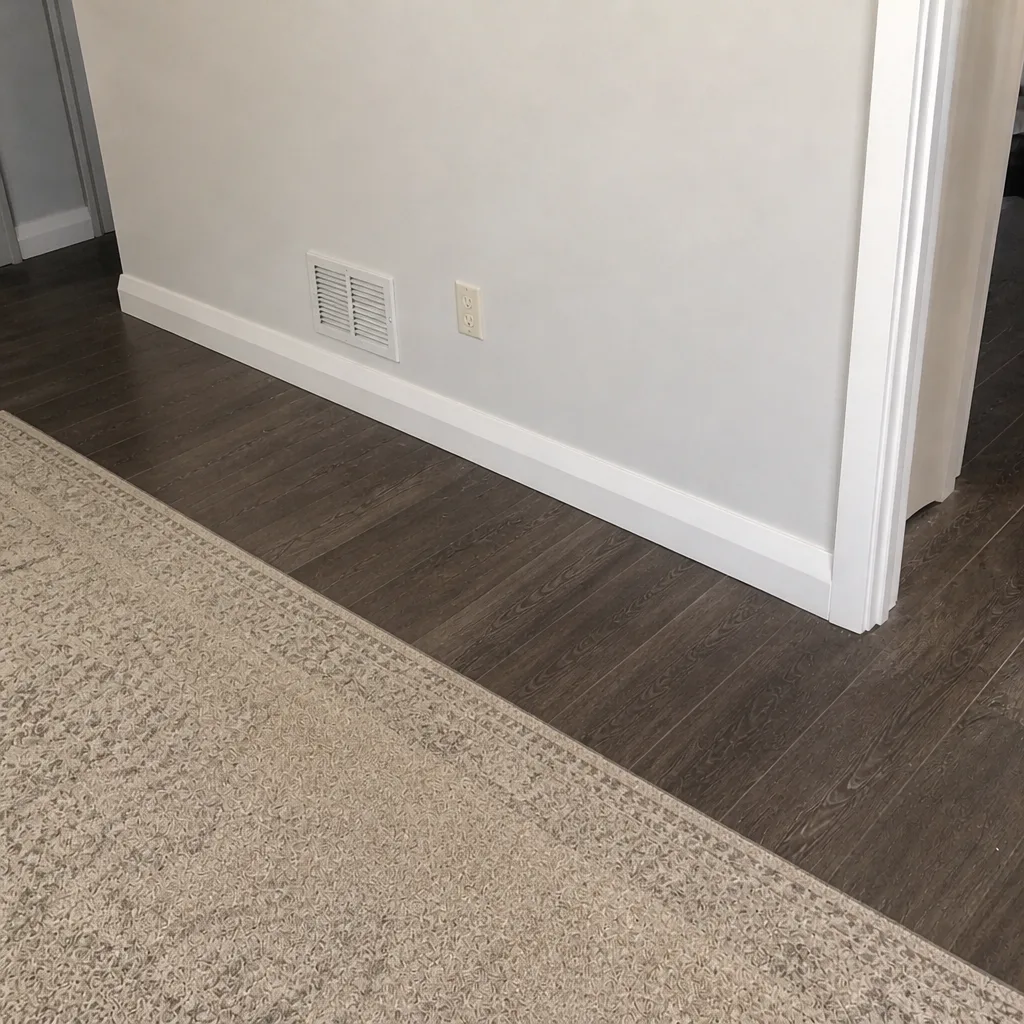 After
The Quarterly Register and Grille Inspection You Can Do Yourself
This is the most useful thing a homeowner can do without any special tools. Fifteen minutes per quarter catches more problems than most people realize. The registers and grilles are the visible end of the system, and the state of the register is often a good proxy for what’s happening deeper in.
- Shine a flashlight into each supply register. A thin coating of dust is normal. Heavy accumulation, dark streaking on the boot, or a layer of debris visible on the first few inches of the duct interior all suggest you may be due for an inspection.
- Look at the grille itself. Greasy dust, dark soot, or visible discoloration can be a sign that something’s pulling unhealthy air into the system, sometimes from a nearby garage or crawl space.
- Check every return grille. Return-air grilles pull more dust into the system than supply registers do. This is where you’ll see accumulation fastest. A return grille that’s visibly loaded may indicate the filter isn’t doing its job.
- Feel for airflow at each register with a tissue or a hand. Weak or absent airflow at one register while others are strong is a strong indicator of a disconnected duct run or a failed joint somewhere in the system. This is one of the most common findings in Everett homes, and it’s not something cleaning fixes. It’s a repair.
- Check for seal failures around the boot and behind the register. Look for visible gaps between the duct boot and the wall or floor, or between the register and its frame. Warm air escaping into a wall cavity or crawl space wastes energy and pulls extra dust into the system.
- Make a note of anything unusual. Date and location. This builds your history log and gives a future contractor useful information.
The airflow check is the one most people skip, and it’s the one that catches the most expensive problems early. A disconnected flex duct in an Everett crawl space can run for months undetected while heating costs quietly climb and dust builds up in the wrong places. A quarterly check catches it the first time.
Logging Your Cleaning and Repair History
A simple log is the difference between a future contractor giving you an accurate quote and one giving you a guess. This is especially true if you’ve hired more than one company over the years. Cleaning records are frequently incomplete, and contractors who arrive to quote without history tend to either over-quote (assuming the worst) or under-quote (assuming a routine job).
What to record for each event:
- Date of the service or inspection
- Who did the work, with a contact number if you have it
- What was done (full cleaning, partial cleaning, camera inspection, repair of X section, filter upgrade)
- Any findings or recommendations the technician reported
- Filter changes, including grade and date
- Photos of before and after, if the contractor provided them
The camera-inspection photos are the most valuable entry in the log. A contractor who arrives with a full cleaning history can quote accurately. A contractor who arrives without history has to assume the worst. Rotobrush equipment captures documentation of what the system looked like before and after work, which means the history log can contain actual visual evidence rather than a verbal record. Any contractor who doesn’t document the work with photos is worth questioning. Ask for camera footage of your own ducts, not stock photos from a website.
The log also surfaces patterns. If you find yourself scheduling cleanings every 18 months, something is off: a filter issue, a duct leak, or a contamination source you haven’t identified. If the pattern shows up in the log, you can point to it and ask the right questions.
Common Mistakes to Avoid
- Applying the three-to-five-year rule without adjustment. The universal interval wasn’t written for pets, renovations, or crawl-space duct runs, and in Everett it fits fewer homes than the number suggests. Use the triggers, not the calendar.
- Cleaning mid-renovation. Drywall dust takes days to settle and weeks to fully clear out of a home’s air supply. Schedule the inspection after the contractor has finished and the space has been cleaned, or you’ll pay for a cleaning that gets undone by the next coat of paint.
- Assuming a filter upgrade is always an improvement. A high-MERV filter installed in a system that wasn’t designed for it can starve airflow and pull unfiltered air through leaky joints. Match the filter to the system, and if you’re upgrading beyond MERV 11, check with your HVAC contractor first.
- Ignoring crawl-space condensation until spring. By the time the smell is obvious, mold has often already colonized the duct liner. The fall check is what catches moisture problems before they spread, especially in Everett’s older neighborhoods where crawl-space runs are common.
- Trusting a cleaning with no visual documentation. A provider that shows up with a shop vac and a brush and offers no camera footage is asking you to take the work on faith. Ask for before-and-after photos of your own ducts before you pay.
- Treating a weak register as a cleaning problem. A supply register with low airflow usually means a disconnected duct or failed joint in the system, not accumulated dust. Cleaning doesn’t fix structural problems, and the right call is to schedule a repair inspection rather than another cleaning.
- Leaving the history loose in a drawer. A folder with no dates, no filter grades, and no photos is nearly useless to a future contractor. Keep a simple log with dates and camera footage so you can get an accurate quote next time.
When to Call a Professional
Not every dirty duct needs a professional. Quarterly register checks and filter changes handle most of the between-cleaning maintenance. The times to call are when any of these are true:
- You’ve had a pet, a renovation, or a move in the past two years and never had the system inspected
- You’re seeing weak airflow at one or more registers
- You smell musty odor when the heat comes on, or you’ve found visible moisture on crawl-space ducts
- You’ve never had the ducts cleaned and don’t know the system’s history
- You’re managing a rental property and the tenant has changed
- You want the work verified with camera documentation, not just a verbal promise
Our air duct cleaning service starts with a camera inspection, uses Nikro HEPA vacuums to contain what’s dislodged, and includes before-and-after footage of your own system. If the inspection turns up a breach, a collapsed run, or a failed connection, we handle the repair under the same visit rather than referring you elsewhere. We also offer dryer vent cleaning for the other duct in your home, which is a separate safety matter worth scheduling on its own schedule. Duct Cleaning Everett offers free estimates in Everett. Call (833) 991-7936 to schedule an inspection.
Frequently Asked Questions
There’s no universal interval that fits every home. A pet-free, well-filtered home with sealed ducts can go 3 to 5 years between cleanings. Any of the six triggers (new pet, renovation, filter upgrade, home purchase, musty odor, or crawl-space duct runs) calls for an immediate inspection regardless of elapsed time. Build the schedule around triggers, not the calendar.
No. It was published as a range for an average household with no pets, no smokers, and competent filtration. It’s a reasonable starting point for a home that fits that description, but most Everett homes don’t, between the number with pets and the number with crawl-space duct runs in a wet climate. Use the trigger framework rather than a fixed calendar.
It depends on the filter grade and your household. A 1-inch MERV 8 filter in a pet-free home might last 3 months. The same filter with two dogs may need changing every 6 weeks. A 4-inch media filter (the kind used with Aprilaire or Honeywell cabinets) may go 6 months to a year. Check monthly for the first two months after a change so you learn the actual loading rate in your home.
No. A shop vac has neither the containment nor the reach to clean a residential duct system properly. Consumer-grade suction stirs up more debris than it captures, and it can’t reach beyond the first few feet of a run. Professional systems use negative-pressure HEPA containment, like our Nikro equipment, which traps dislodged debris rather than recirculating it into the room. If you want an honest look at what’s in the system, a camera inspection is a better starting point.
Weak or absent airflow at a single register almost always means a disconnected duct run, a collapsed flex section, or a failed joint somewhere between the air handler and the register. Cleaning won’t fix it. It’s a repair issue. If you find this during a quarterly check, call a professional for a camera inspection and repair. Duct Cleaning Everett, serving Everett, handles both cleaning and structural repair under one visit.
Camera documentation. Ask any provider to show you footage of your own ducts before and after the work. If they can’t or won’t, you have no way to verify what happened. Rotobrush systems include real-time camera inspection for exactly this reason, and we hand over before-and-after footage of your own system after every cleaning. Call (833) 991-7936 for a free estimate.
The Bottom Line
The 3-to-5-year interval is a floor, not a schedule. In Everett, the triggers (a new pet, a renovation, a filtration upgrade, a new home, a musty smell, or crawl-space duct runs) matter more than the calendar, and every one of them means the clock starts over. Between cleanings, the two highest-leverage tasks are filter maintenance matched to your system’s actual airflow capacity, and quarterly register checks that catch disconnected ducts before they become expensive. Keep a simple history log with camera footage, and before the heating season starts, run a damp-climate check on crawl-space runs while you still have time to catch problems early. If anything in that check suggests structural damage or contamination, the right call is a professional inspection. Duct Cleaning Everett, serving Everett, offers duct cleaning in Everett as well as dryer vent cleaning and full-scope repair. Call (833) 991-7936. We answer 24/7. Fast dispatch from 7am to 7pm, Sunday through Friday.
Written by the team at Duct Cleaning Everett, serving Everett.