
Last updated November 14, 2026
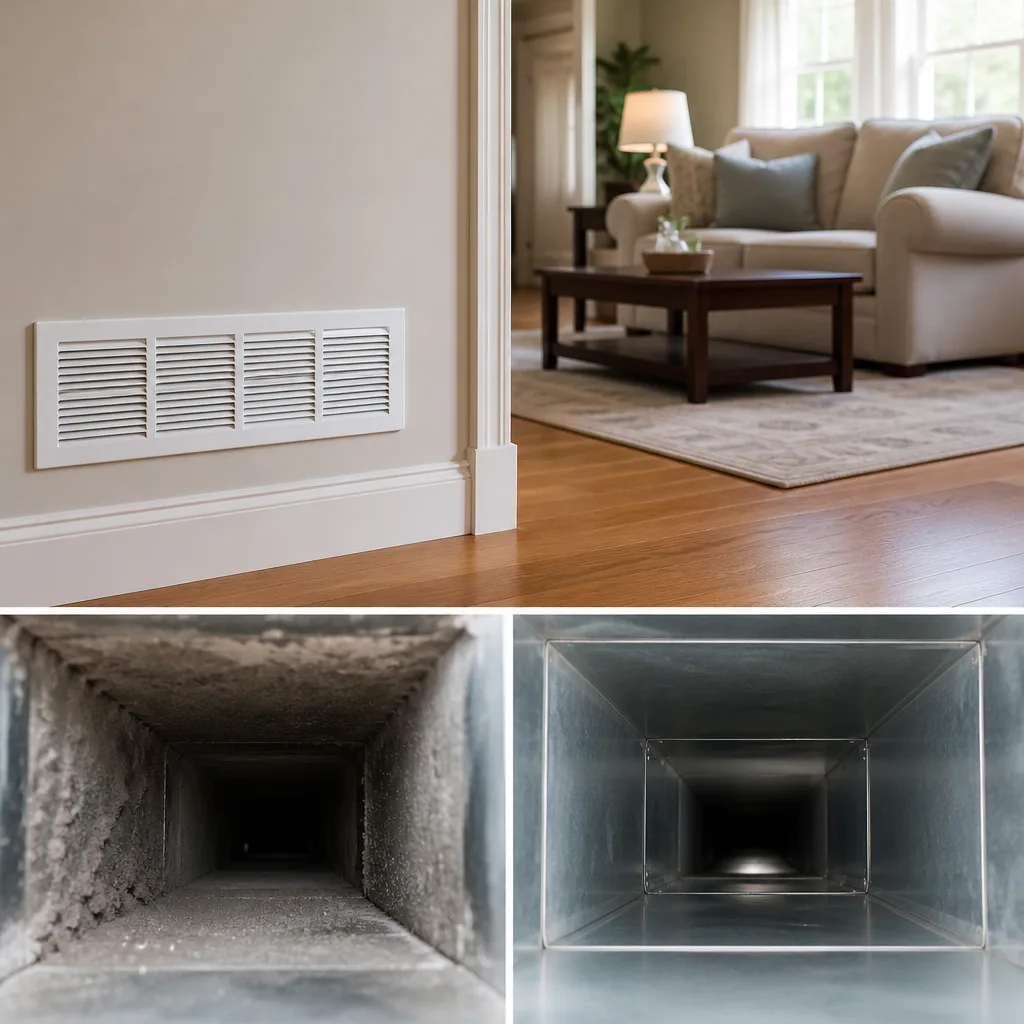 Whole-home duct cleaning
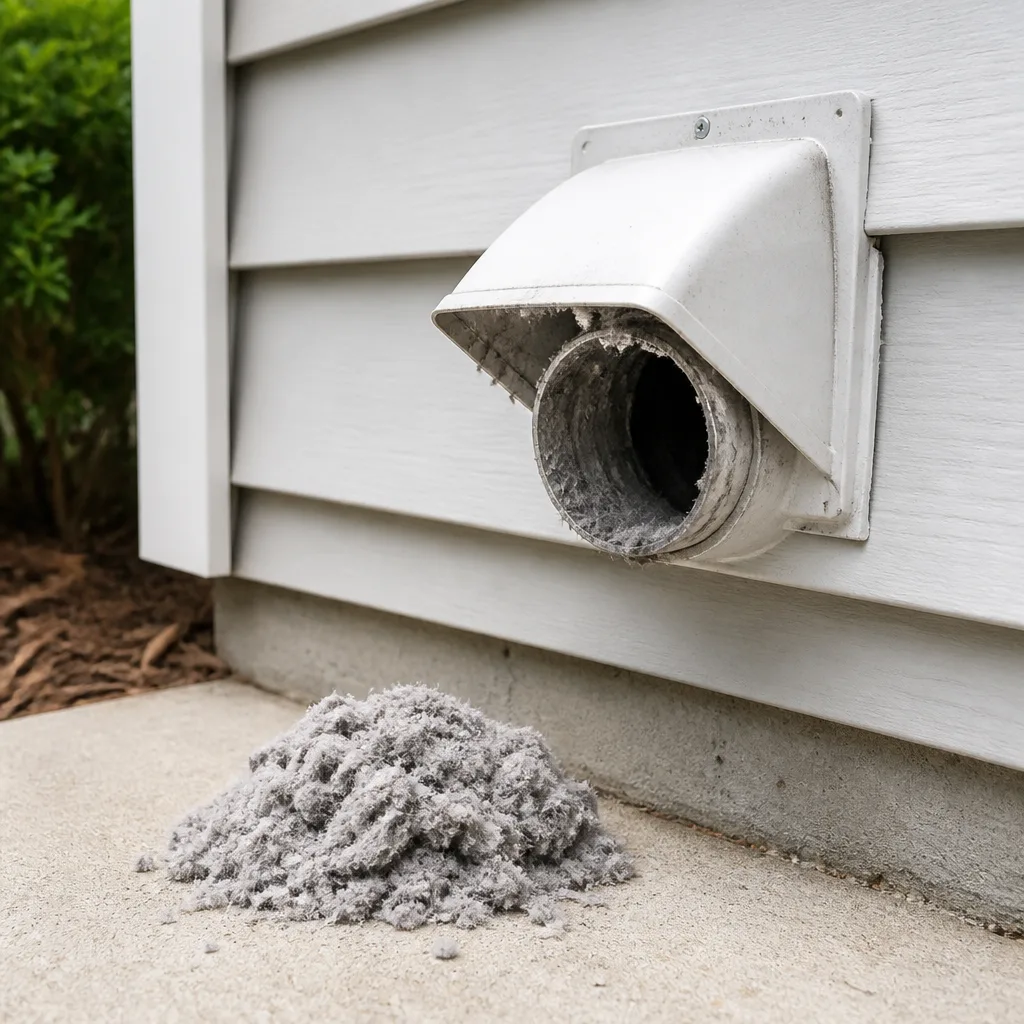 Dryer vent cleaning
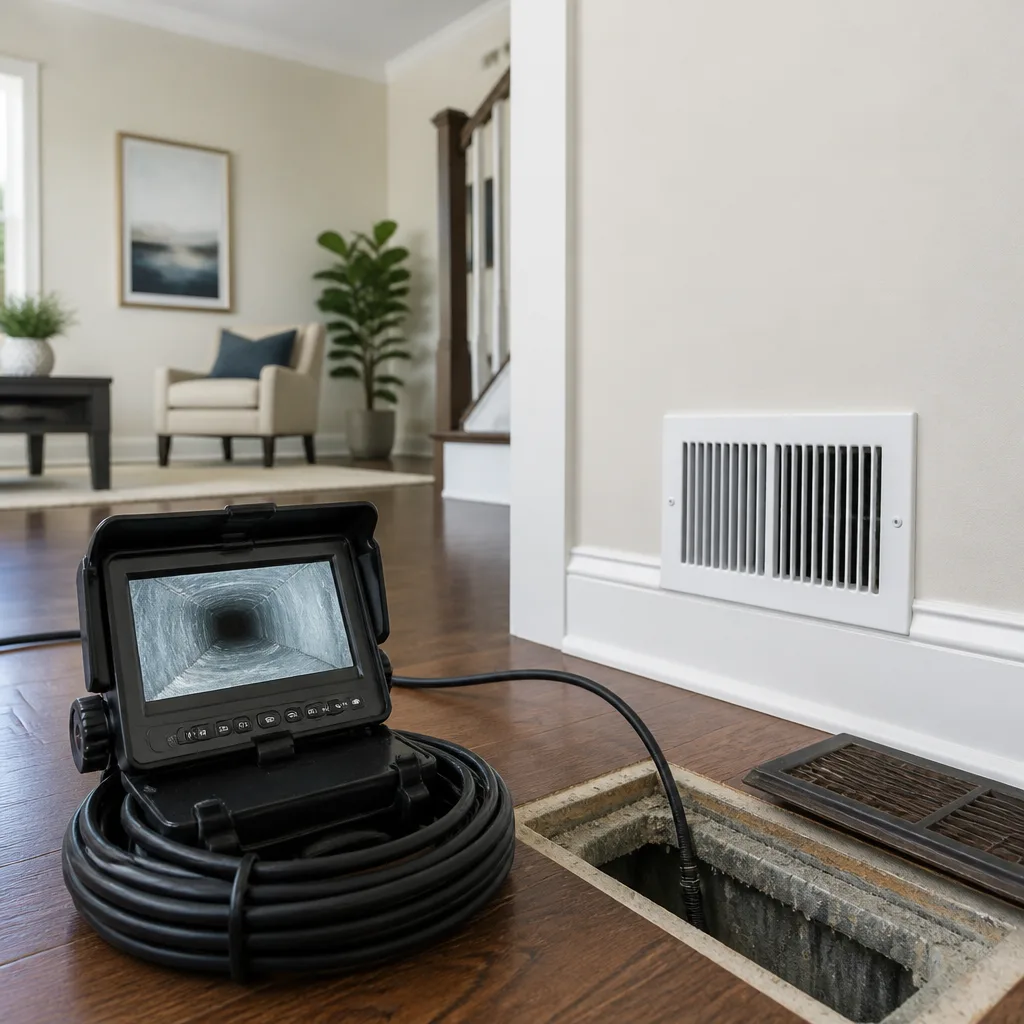 Camera inspection
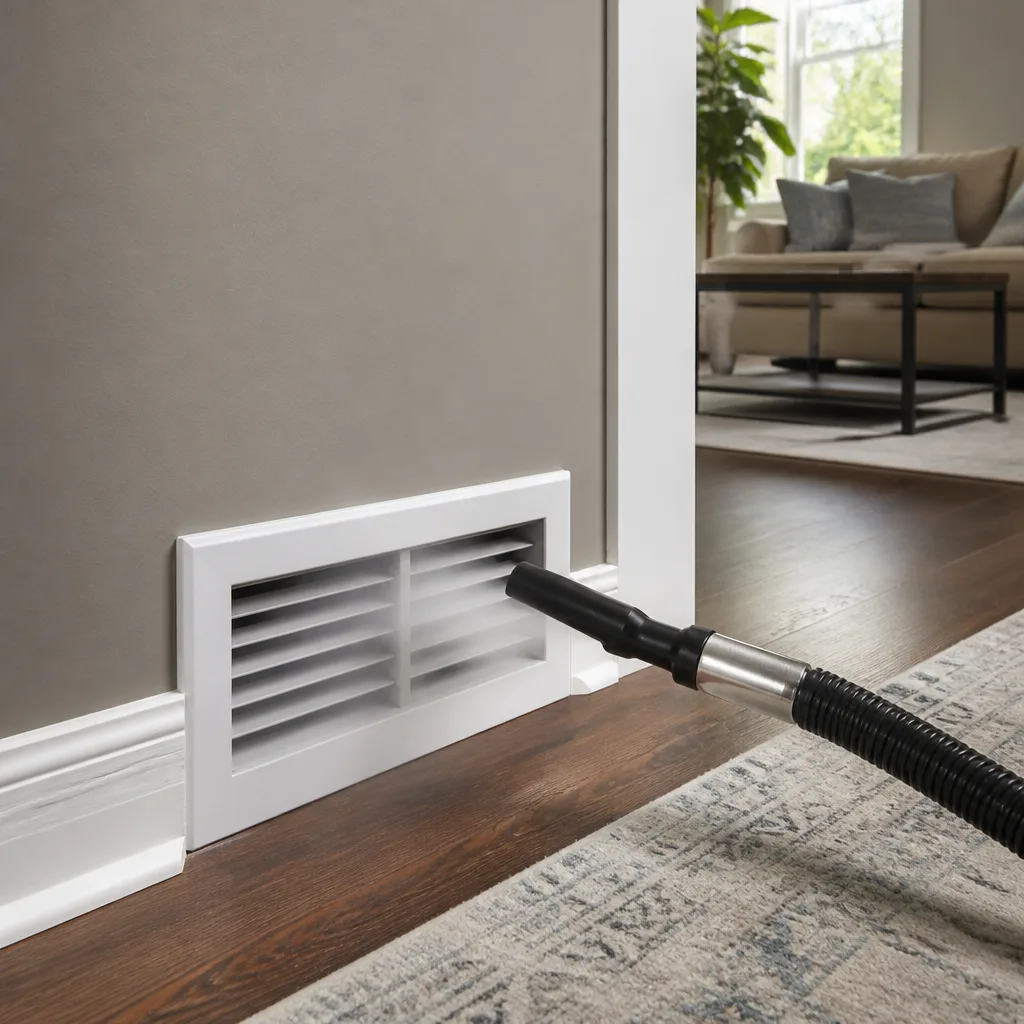 Sanitizing & deodorizing
Whole-system duct and dryer vent check with before-and-after photos - you see exactly what came out of your vents
That "$99 whole-house special" is a bait ad - the real number appears once they are in your hallway, or the "clean" is a shop-vac at the register. We photograph the inside of your ducts before and after instead.
How to Hire an Air Duct Cleaning Contractor in Everett: A Step-by-Step Guide
Two trucks can pull into the same driveway. One hauls a shop vac rated around 100 CFM. The other runs a negative-pressure unit that moves thousands of cubic feet per minute. Both operators hand you a receipt that says “duct cleaning.” The difference between those two jobs is the difference between dust moved around your house and dust taken out of it, and it is invisible unless you know what to ask before booking. That gap is the whole problem in the Everett market right now, where a low bid is easy to find and hard to judge. This guide walks step by step through the questions, equipment benchmarks, and red flags that separate a real cleaning from a cosmetic one, so you choose the right contractor the first time.
Quick Answer
To hire an air duct cleaning contractor in Everett, screen for three things before you book: the equipment they run (a contractor-grade negative-pressure unit, not a shop vac), whether they scope your system before quoting (camera access points, static pressure, duct condition), and whether they can repair damage they find, not just clean around it. Ask for the machine’s CFM rating, the source-removal tools used, and a flat price per system agreed after inspection. A contractor who answers those clearly is doing the job right.
Styles & brands we work with
- Whole-home duct cleaning
- Dryer vent cleaning
- Camera inspection
- Sanitizing & deodorizing
Table of Contents
- The Equipment Test: Three Questions to Ask Before You Book
- NADCA Membership Is a Floor, Not a Ceiling
- How to Read a Duct Cleaning Quote
- What a Real Pre-Job Inspection Includes
- Why Duct Repair Capability Changes the Decision
- What a Proper Duct Cleaning Job Actually Looks Like
- How Everett Homes and Weather Affect Your Ducts
- How to Verify the Work Was Done
The Equipment Test: Three Questions to Ask Before You Book
Equipment is the fastest way to tell a professional crew from a price-shopper operation, and it takes one phone call and three questions. You don’t need to see the technician roll up. You need the answers before you commit.
Ask these three questions, in this order:
- What unit do you use to pull debris out? A contractor-grade negative-pressure machine is built for containment. A shop vac is built for a garage. If the answer is vague (“we use a HEPA vac”) without a brand or model, ask for the model. Professionals name their machines. We run Nikro HEPA-rated vacuum systems, the same negative-pressure technology used in professional remediation, because it traps the debris it dislodges instead of blowing it back into the return.
- What is the CFM rating? CFM (cubic feet per minute) measures how much air the unit moves. Shop-vac-range equipment is in the low hundreds. Contractor-grade negative-pressure units run in the thousands. Ask the number. An operator who can’t tell you the rating of their own machine hasn’t been trained on why it matters.
- Do you use source-removal contact tools, or agitation only? Contact tools physically reach into the duct and break material loose at the source. Agitation-only methods (air whips, loose brushes, compressed air) can knock dust free without capturing it. The right answer combines mechanical brushing with real containment, which is exactly what Rotobrush systems do: they clean with contact and inspect with a camera at the same time.
The point isn’t to quiz the contractor for sport. It’s that a crew using the wrong machine cannot clean your system no matter how many hours they spend. Containment and contact, together, are the whole mechanism. Call (833) 991-7936 to compare what we use against what you’ve been quoted.
NADCA Membership Is a Floor, Not a Ceiling
The National Air Duct Cleaners Association sets the industry standard, and membership is a reasonable starting point. It signals a contractor has committed to a professional body and its code. But it is a floor. It is not a guarantee about the operator in your driveway.
Here is the honest gap. NADCA membership confirms a business has affiliated with the standard. It does not verify, per job, that the crew on site will run a proper containment machine, that they’ll scope access points before quoting, or that they can repair what they find. Those are local, operator-level questions. And membership alone says nothing about equipment brand or the condition of the shop.
Think of it as one filter among several. Use it to eliminate the obvious bottom of the market, then keep screening:
- Membership in a professional association (good sign).
- Named equipment with a verifiable CFM class (better sign).
- A pre-job inspection before any price is firm (the real test).
- Repair capability so found damage gets fixed (the tie-breaker).
In a market with as many operators as Everett has, the association tag alone doesn’t tell you which truck you’re getting. The equipment and the inspection do.
How to Read a Duct Cleaning Quote
Quote structure tells you how a contractor thinks. A flat-rate number based only on the square footage of your house, offered over the phone before anyone looks at your system, is a warning sign dressed as convenience. It means the crew hasn’t scoped what they’re pricing.
Vents, duct runs, and whether the system has been opened before all change the job. A quote built purely on square footage can’t account for any of that, so it tends to be either inflated to cover the unknown or too low and later topped up. A cleaner number comes from an inspection first, then a flat price per system, agreed before work starts.
When you compare quotes, line them up against this:
- Priced per system, not per vent. Per-vent pricing rewards the contractor for counting and tempts low teaser numbers that climb.
- Agreed after inspection, in writing. The number you’re quoted is the number on the invoice.
- Repair priced separately and clearly. Cleaning and repair are different jobs. Both should be itemized.
- No surprise add-ons. Filtration upgrades are a separate, optional conversation, never a surprise on the bill.
A one-price-per-system quote reflects a contractor who knows the scope because they checked. One flat rate you can count on, and a written estimate that sets the final price, is the structure to hold out for. Call (833) 991-7936 for a free estimate built that way.
What a Real Pre-Job Inspection Includes
Before a serious contractor quotes a price, they look. Not a glance at the furnace, an actual inspection. If a company is willing to give you a firm number without one, that’s the moment to slow down.
A legitimate pre-job inspection covers these pieces:
- Camera scope access points. A camera goes into the duct to show condition rather than guess at it. We use Rotobrush’s integrated camera inspection so cleaning can be seen, not taken on faith.
- Static pressure baseline. Measuring the system’s static pressure tells you whether airflow is restricted before any work is done, which informs what to clean and whether a repair is likely.
- Duct condition documentation. Photos and notes on breaches, loose connections, or collapsed sections. This is where cleaning-only crews run out of answers, because they can’t fix what the camera finds.
That inspection also frames the whole point of screening contractors in Everett: the quotes that look cleanest on paper are often the ones built on the least looking. A contractor who scopes the system first can price honestly, and you can compare their number against reality instead of against a guess. The inspection is free of guesswork when it’s done right, and it’s the foundation of any estimate worth trusting.
Why Duct Repair Capability Changes the Decision
Here’s a scenario the low-bid market doesn’t plan for. The crew cleans the system, then the camera reveals a disconnected joint, a sagging section, or a crushed run that’s been leaking air into a crawlspace for years. A cleaning-only contractor documents it, shrugs, and leaves. The duct is still broken. You’ve paid for a clean system that still can’t deliver air where it’s supposed to go.
This is the difference between a band-aid and a real fix. Duct repair, as a service, means the contractor can identify a structural problem and resolve it in the same visit. That includes:
- Breached or torn duct sections.
- Collapsed runs that choke airflow.
- Failed connections at joints and transitions.
Those are structural problems, not cleaning problems. Hiring a contractor who can only clean leaves the discovered issue unaddressed, and you end up sourcing a second trade. A full-scope contractor handles both, so the system that comes out the other side actually works. We repair what others walk past, and that capability is the quiet reason to screen for it in the first place. Ask each contractor you interview: if you find a torn duct, what happens next? The answer tells you whether you’re hiring a cleaner or a duct service.
What a Proper Duct Cleaning Job Actually Looks Like
When it’s done right, the process is deliberate. It isn’t fast, and it shouldn’t be. Duct cleaning is a scheduled, methodical job, and any operator selling speed as the feature is telling you something about the corners they plan to cut.
A proper job follows a sequence:
- Connect the negative-pressure unit and put the system under vacuum, so debris loosens into capture instead of into the room.
- Access each run through the access points identified during inspection.
- Brush and agitate at the source with contact tools, breaking material free from the duct walls.
- Pull the loosened material back into the HEPA-rated containment.
- Inspect on camera before, during, and after, so the clean is verified on screen.
- Document condition and any repair needs for the homeowner.
Every step in the sequence depends on the one before it. Containment without contact leaves debris stuck. Contact without containment puts it in the air. Both without inspection is a guess. For contamination-level situations, we also carry Abatement Technologies equipment, which is built for the tougher air quality jobs beyond routine dust. If you want the whole system handled in one call, including dryer vent cleaning as a safety service rather than an upsell, that’s the scope to look for. Call (833) 991-7936 and we’ll walk you through the process for your home.
How Everett Homes and Weather Affect Your Ducts
Everett runs wet. Long damp stretches through the cool months, and a housing stock that mixes older homes with systems that have seen decades of use, both shape what’s inside your ducts. Moisture doesn’t clean a duct, and a duct that’s been pulling humid air into and out of a crawlspace or an older wall cavity is a different cleaning job than one in a dry, sealed new build.
What that means for screening a contractor here:
- Ask how they handle moisture-affected systems. Damp debris behaves differently than dry dust, and the equipment has to match.
- Ask about crawlspace and attic runs. Many Everett homes route ductwork through exposed or semi-exposed spaces where breaches and disconnections are common.
- Look for repair capability. Damp conditions stress joints and connections. The crew that can fix a failed joint is worth more here than one that only vacuums.
A contractor who’s worked the housing in this region knows to check the crawlspace runs and the older wall cavities, not just the trunk line. That local read is one of the things you’re paying for. It’s why hiring from this area, rather than a crew passing through, matters more than it first appears. When you’re comparing operators, ask what they typically find in Everett homes. The answer separates the ones who’ve done the work here from the ones who haven’t.
How to Verify the Work Was Done
You shouldn’t have to take a receipt’s word for it. Verification is where the equipment choices pay off, because a camera-verified clean can be shown to you, and a shop-vac clean can only be described.
Signs a job was done properly:
- Before-and-after photos of your own ducts. Not stock photos. Yours. A contractor with camera inspection can show you before and after, and that’s the standard to expect.
- Documented condition report. What was found, what was cleaned, what needs repair.
- Access points properly sealed. The cleaning process opens the system, and a professional closes it back up correctly.
- A clear answer when you ask how they verified. “Camera” or a method name, not a shrug.
We work across air duct cleaning with these verification steps baked in, because a homeowner who can see the result is a homeowner who trusts it. If you’re comparing two quotes and one can show you the before-and-after and the other can’t, the call is easier. Call (833) 991-7936 for an estimate and ask to see how we document a job.
Common Mistakes to Avoid
- Booking on price alone. The cheapest quote is usually the one using undersized equipment, and in a market as full of operators as Everett’s, the low number is a signal, not a bargain. Ask what machine backs it before you commit.
- Accepting a square-footage flat rate over the phone. A price set before anyone inspects the system is a price built on a guess. Insist on an inspection and a price per system agreed afterward.
- Assuming an association badge means the crew is good. NADCA membership is a floor. It doesn’t verify the equipment on your job or the operator holding the tool. Screen the crew, not just the logo.
- Hiring a cleaner when the system needs repair. If the inspection finds a breach or a collapsed run, a cleaning-only contractor can’t fix it. You’ll be hiring a second trade and paying twice.
- Confusing a HEPA box with a real negative-pressure machine. A small vacuum and a contractor-grade unit are not the same tool. Ask for the model and a CFM figure and you’ll know which you’re getting.
- Skipping the dryer vent. It’s not an upsell, it’s a safety service. Lint build-up is a fire risk, and a contractor who handles it alongside the ducts saves you a wasted second call.
- Never asking for before-and-after. A camera-verified job can be shown to you. If a contractor can’t produce a documented result, they may not have one to show.
See the difference
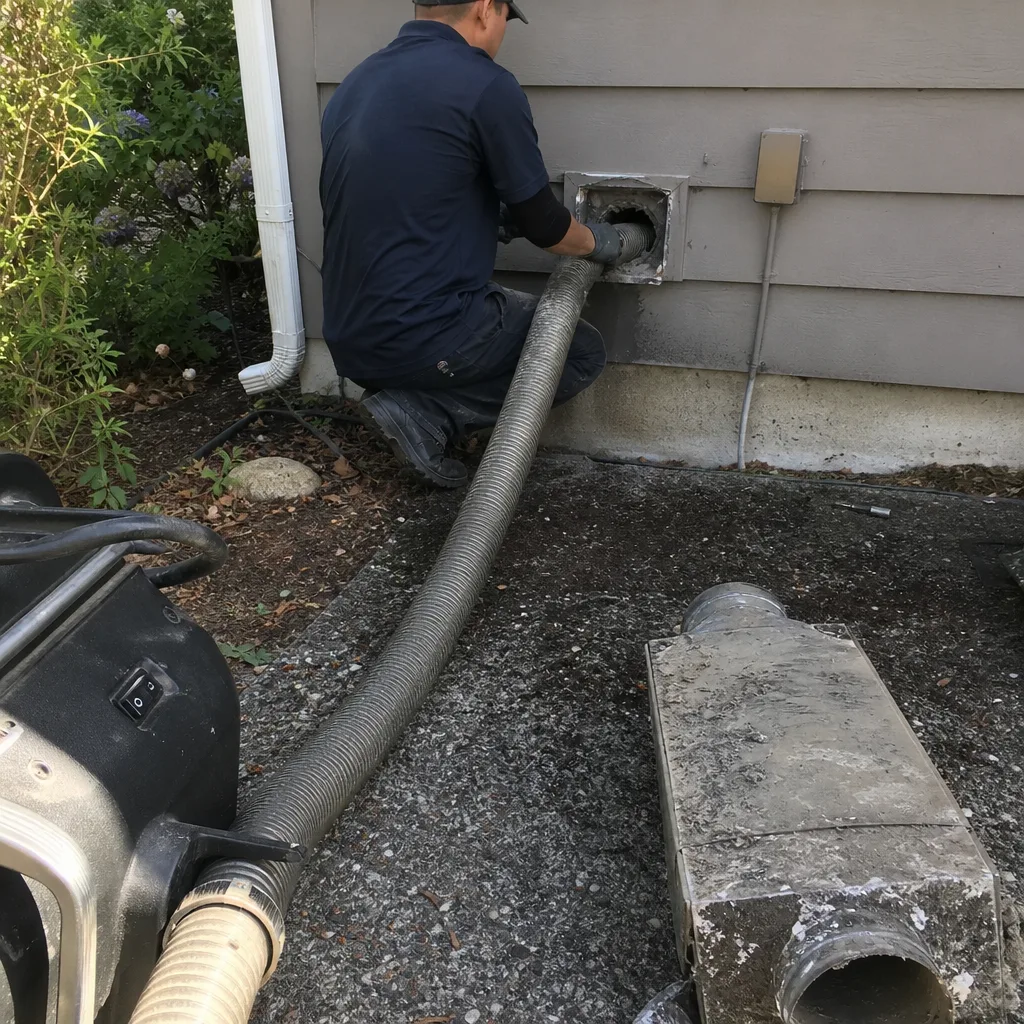 Before
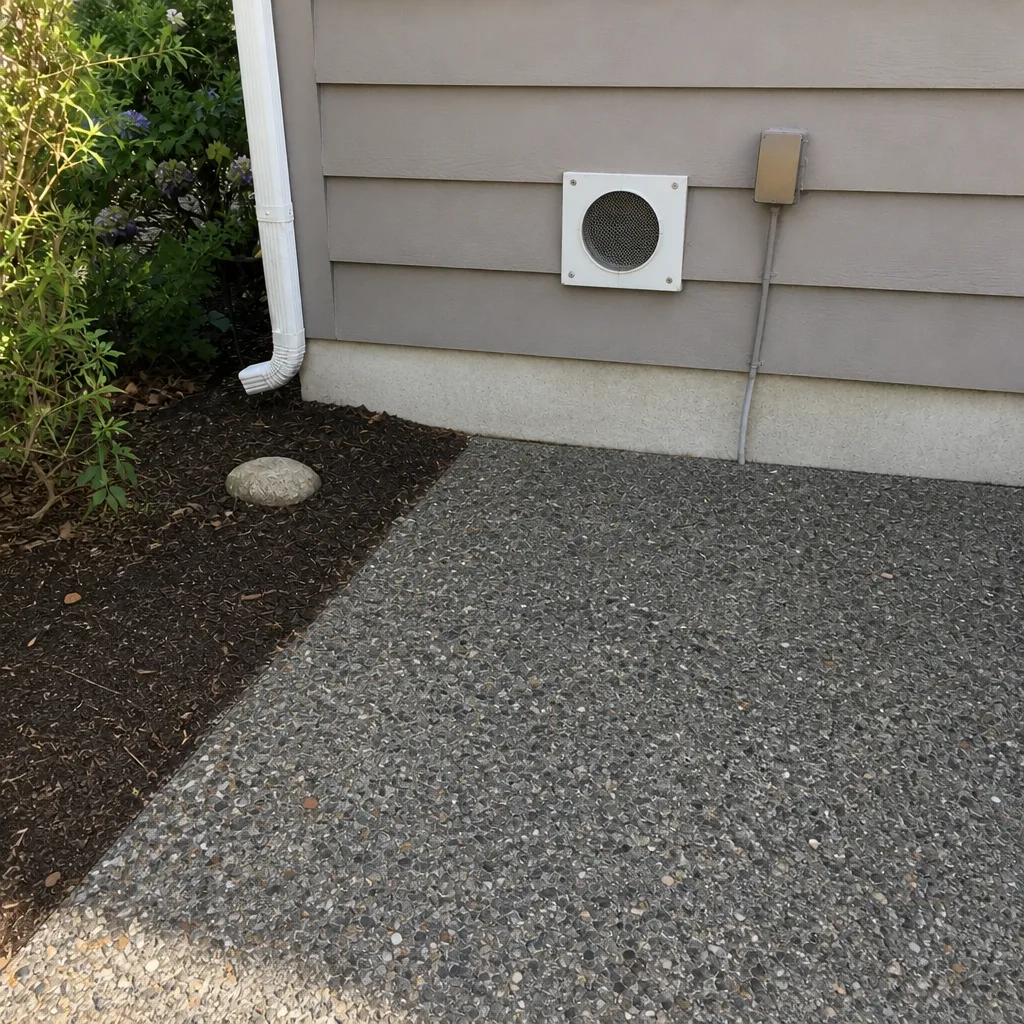 After
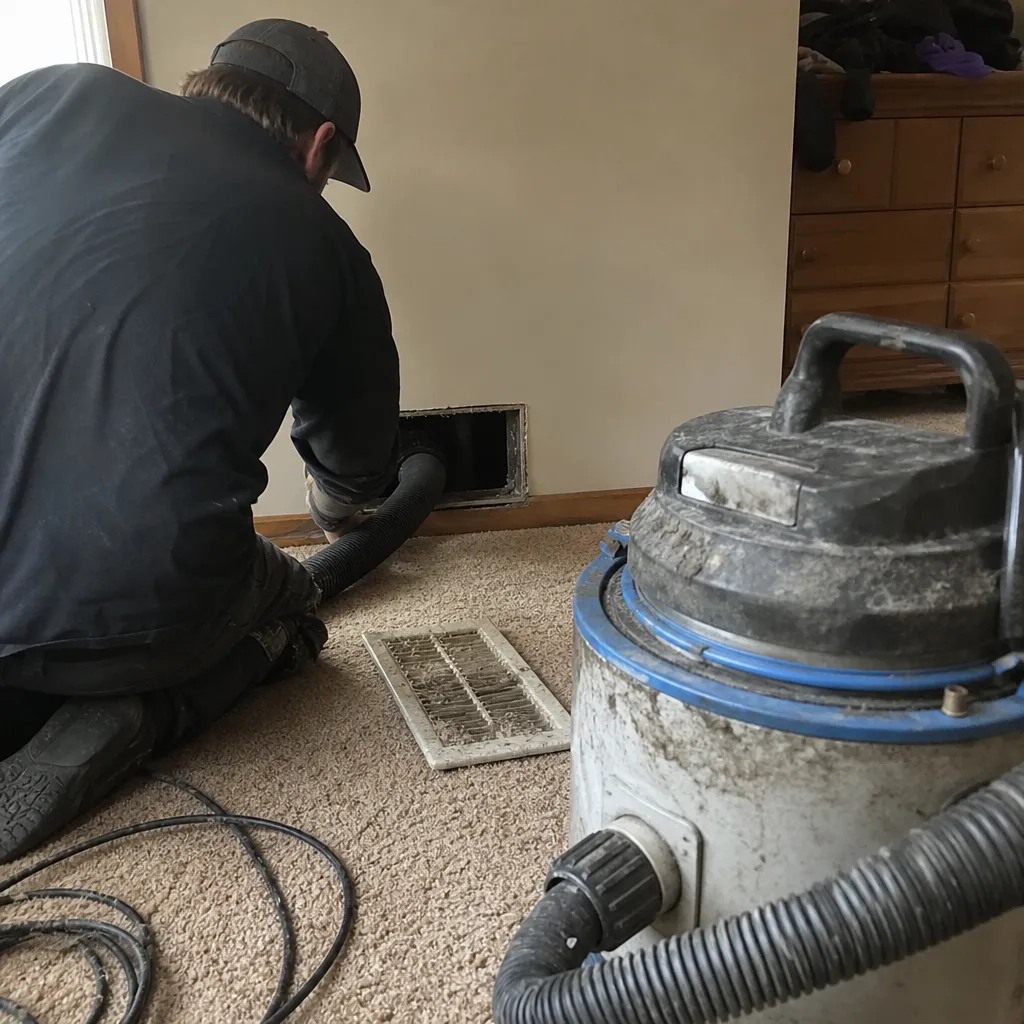 Before
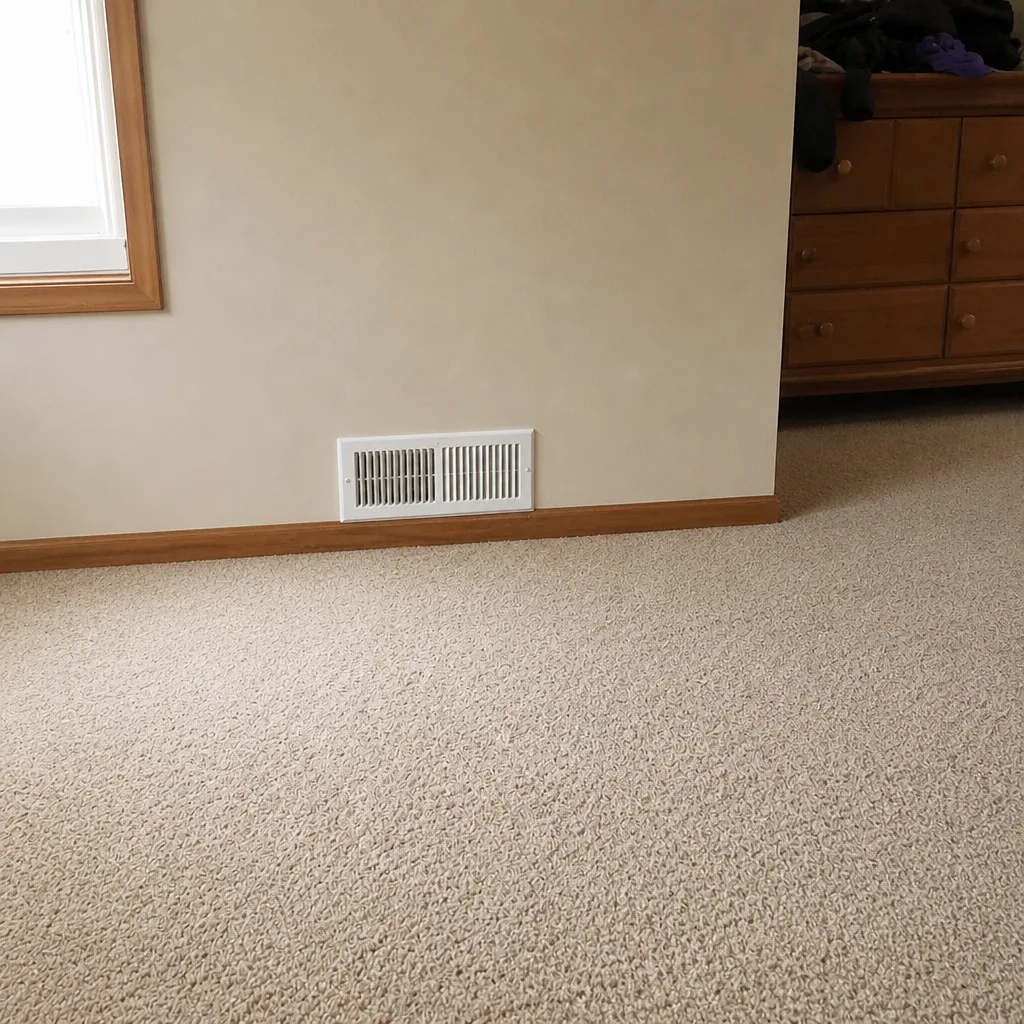 After
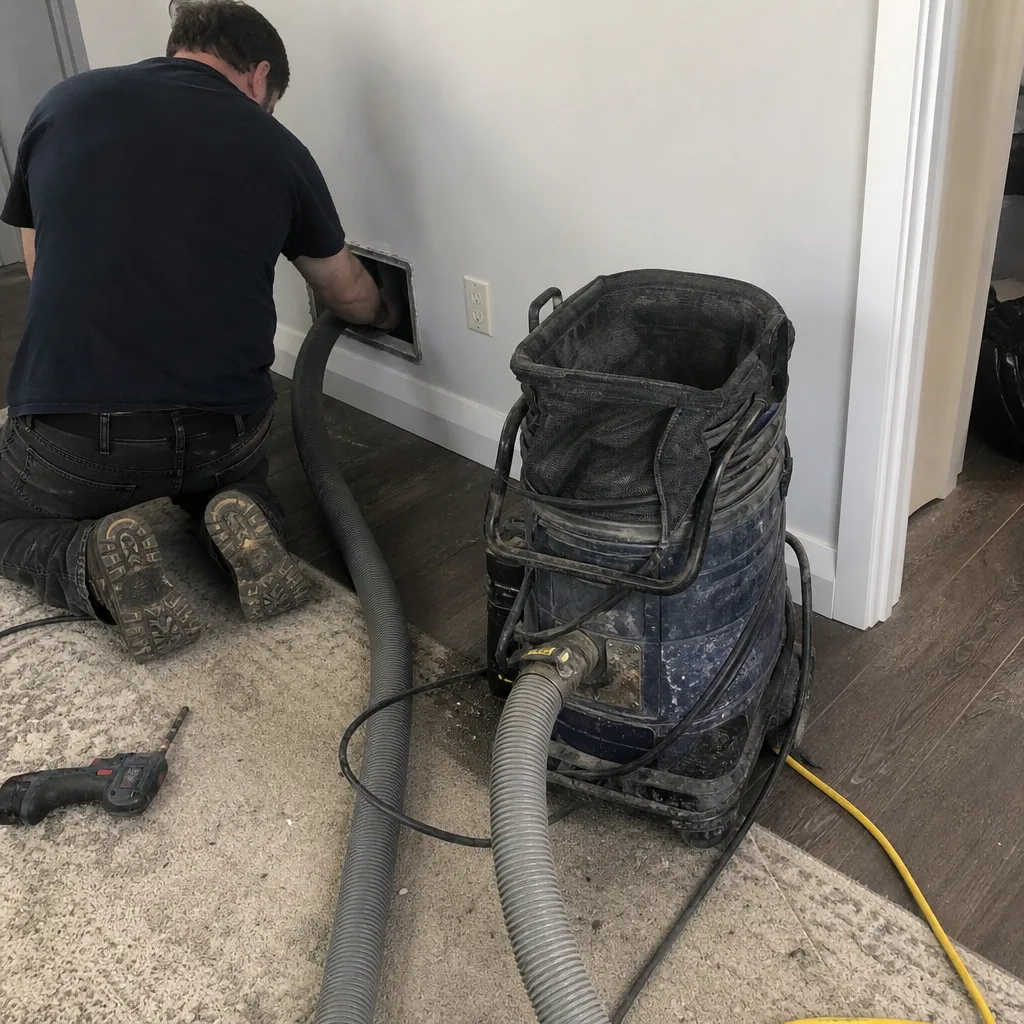 Before
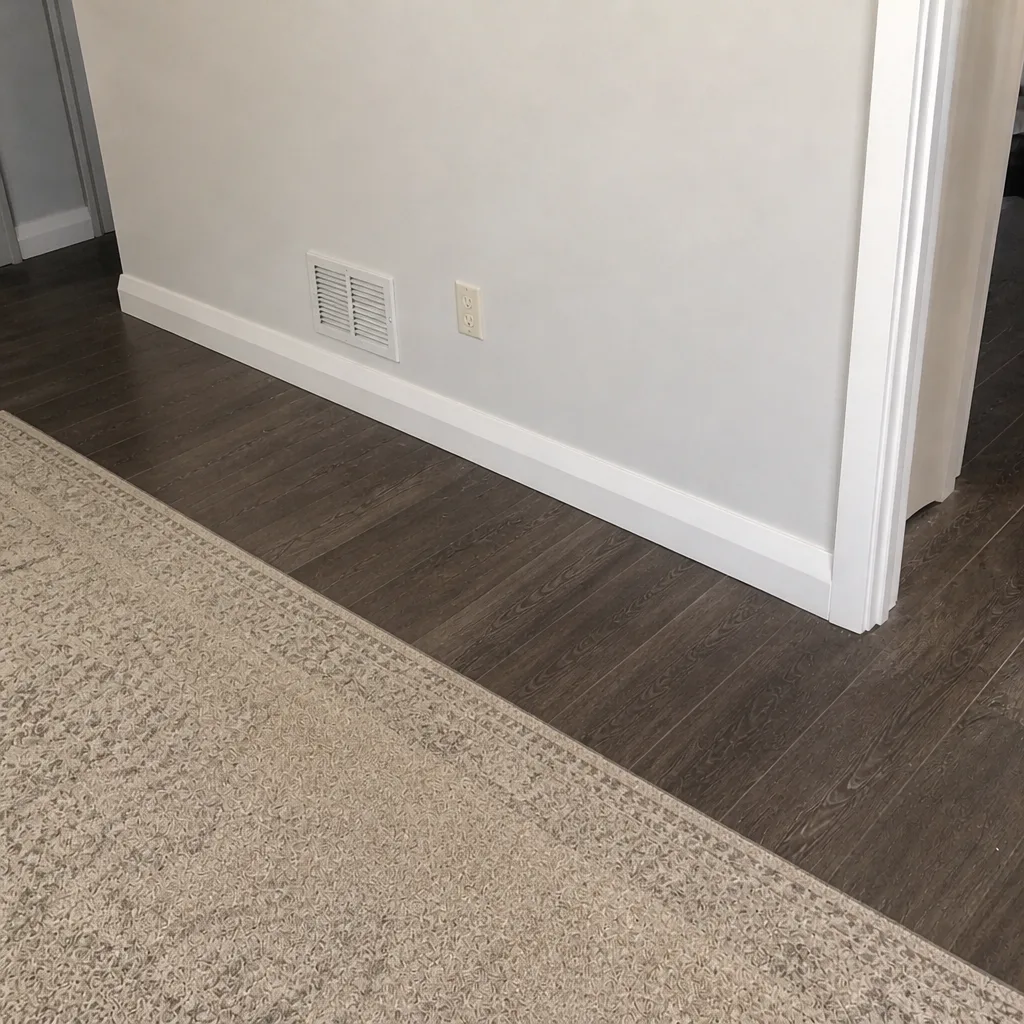 After
When to Call a Professional
Some signs a duct system needs a professional now, not eventually. Visible dust blowing from supply registers when the system kicks on. A musty odor that comes and goes with the furnace. Unexplained airflow problems that leave one room hot and another cold. A dryer that takes too long to dry a load, which points to dryer vent clearing that shouldn’t wait. A recent renovation that left dust in the system, or a home that’s been running with no servicing for years. Any of these is a reason to schedule an inspection rather than a routine cleaning. Duct Cleaning Everett offers free estimates in Everett. Call (833) 991-7936. We answer 24/7, and fast dispatch runs 7am to 7pm, Sunday through Friday. You can also start with our duct cleaning in Everett service to see the full scope.
Frequently Asked Questions
Air duct cleaning in Everett is priced per system, not per vent, and the flat price is set by a written estimate after an inspection of your specific ductwork. Because a quote reflects the size and condition of your system, the honest number comes after the inspection, not before. Call (833) 991-7936 for a free estimate. We answer 24/7, and dispatch runs 7am to 7pm, Sunday through Friday.
Cheap quotes usually come from crews running undersized equipment, quoting by square footage without inspecting, or counting per vent to build a low teaser number that grows once the job starts. The cost shows up later, in a system that wasn’t fully cleaned or a repair that was never made. Call (833) 991-7936 and compare an inspection-based quote against what you’ve been offered.
The clearest confirmation is before-and-after photos of your own ducts, taken with camera inspection, along with a documented condition report. A camera-verified clean can be shown to you, while a job done without inspection can only be described. Ask to see the documentation before you pay. Call (833) 991-7936 to see how we verify a job.
NADCA membership means a contractor has affiliated with the industry standard, which is a reasonable floor, but it doesn’t verify the equipment on your job, the inspection they’ll run, or whether the crew can repair duct damage. Screen the crew and the tools, not just the association badge. Call (833) 991-7936 for a free estimate.
Duct cleaning isn’t a fixed interval for every home. It depends on your system, your home’s age and condition, whether there’s been a renovation or a moisture problem, and what a camera inspection finds. A contractor who quotes a schedule before looking hasn’t seen your ducts. Call (833) 991-7936 and we’ll inspect first, then tell you what it actually needs.
Yes. Duct repair is a core service, not an afterthought, so breaches, collapsed sections, and failed connections found during inspection or cleaning are fixed by the same company. That’s the difference between a cleaning-only crew that documents a problem and a full-scope service that resolves it. Call (833) 991-7936 to discuss your system.
We use Rotobrush systems for mechanical brushing combined with real-time camera inspection, and Nikro HEPA-rated vacuum equipment for contractor-grade negative-pressure containment, plus Abatement Technologies gear for contamination-level situations. The tools matter because they decide whether debris is captured or recirculated, and whether the result can be shown to you. Call (833) 991-7936 for a free estimate.
The Bottom Line
Hiring a duct cleaner in Everett comes down to screening before you book. Ask for the machine and its CFM rating. Insist on an inspection, with camera scope and static pressure, before any price is firm. Expect a flat price per system in writing, not a square-footage estimate over the phone. And hire a contractor who can repair what they find, because a cleaning-only crew leaves discovered problems in place. Those four screens sort the remediation-grade operators from the shop-vac trucks. If you want the work done to that standard, call (833) 991-7936 for a free estimate. We answer 24/7, and fast dispatch runs 7am to 7pm, Sunday through Friday.
Written by the team at Duct Cleaning Everett, serving Everett.