
Last updated November 14, 2026
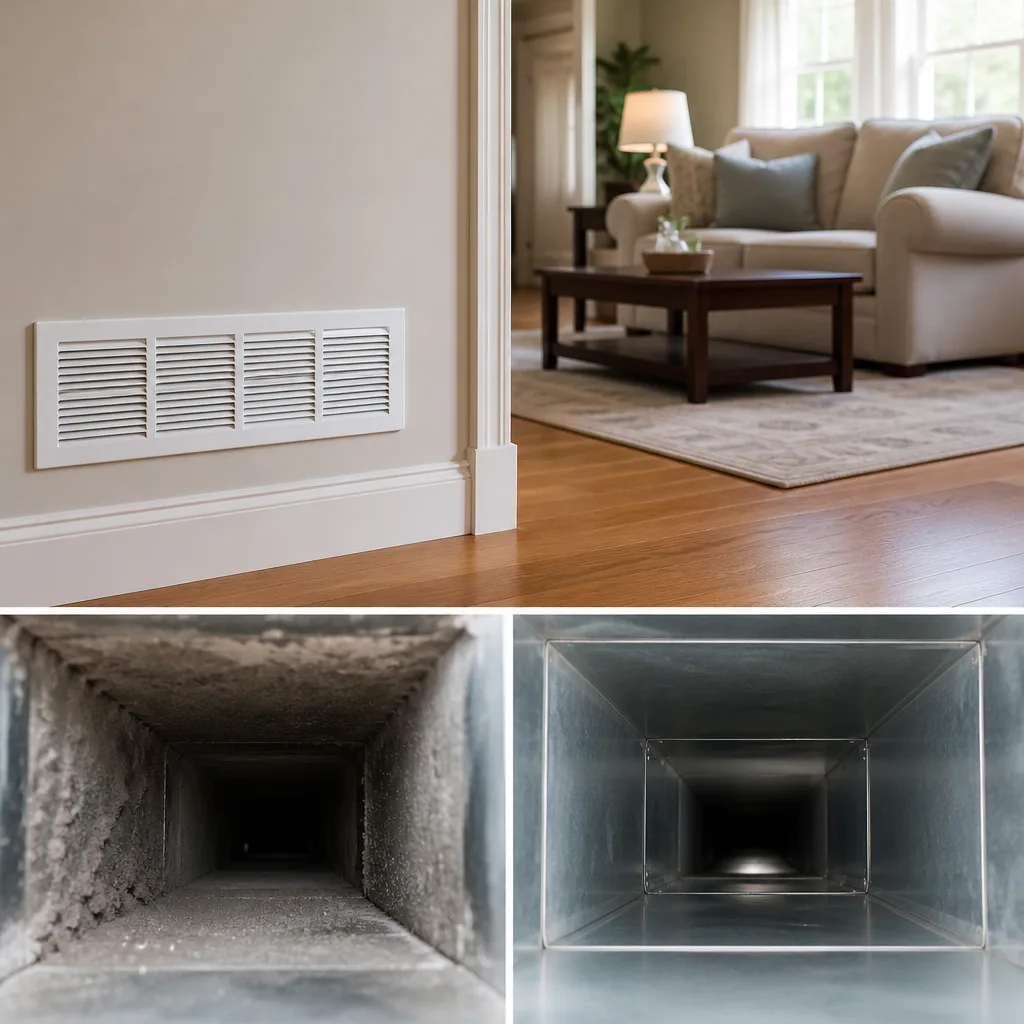 Whole-home duct cleaning
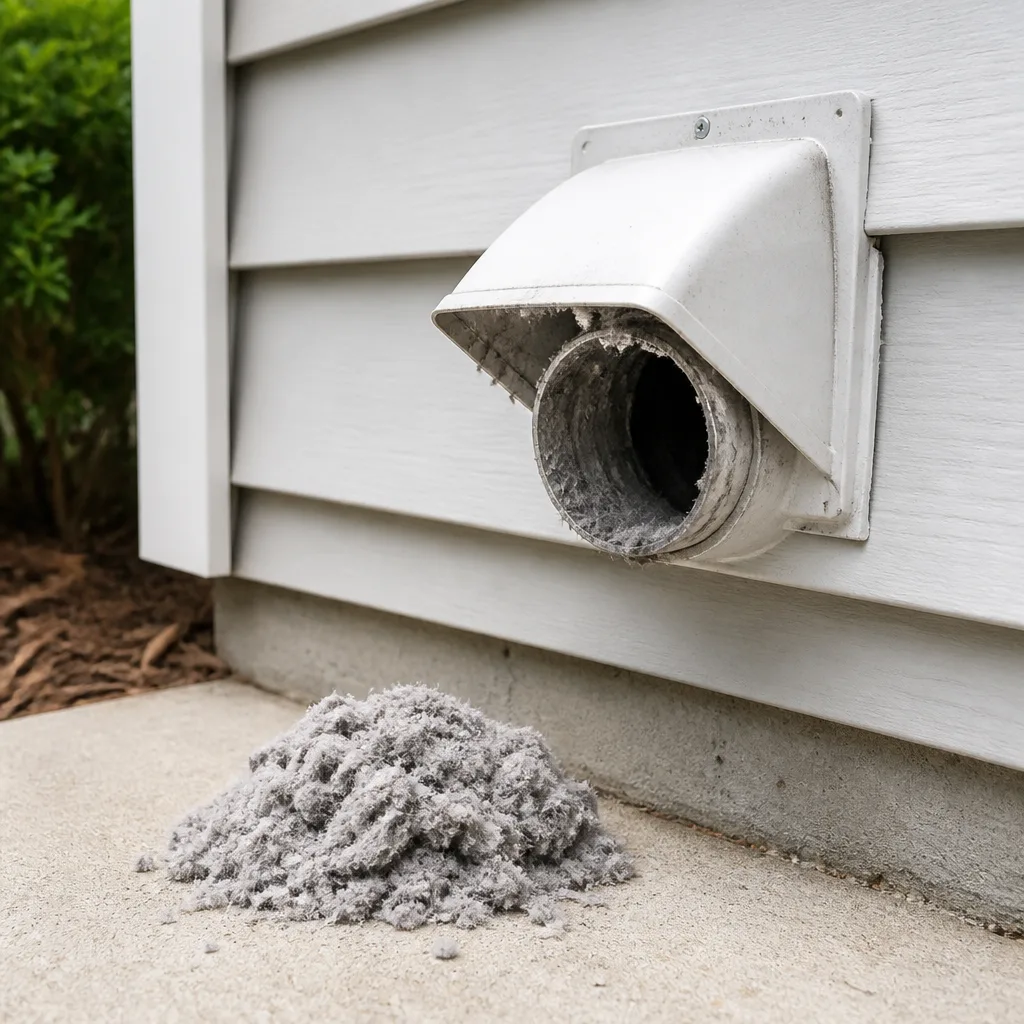 Dryer vent cleaning
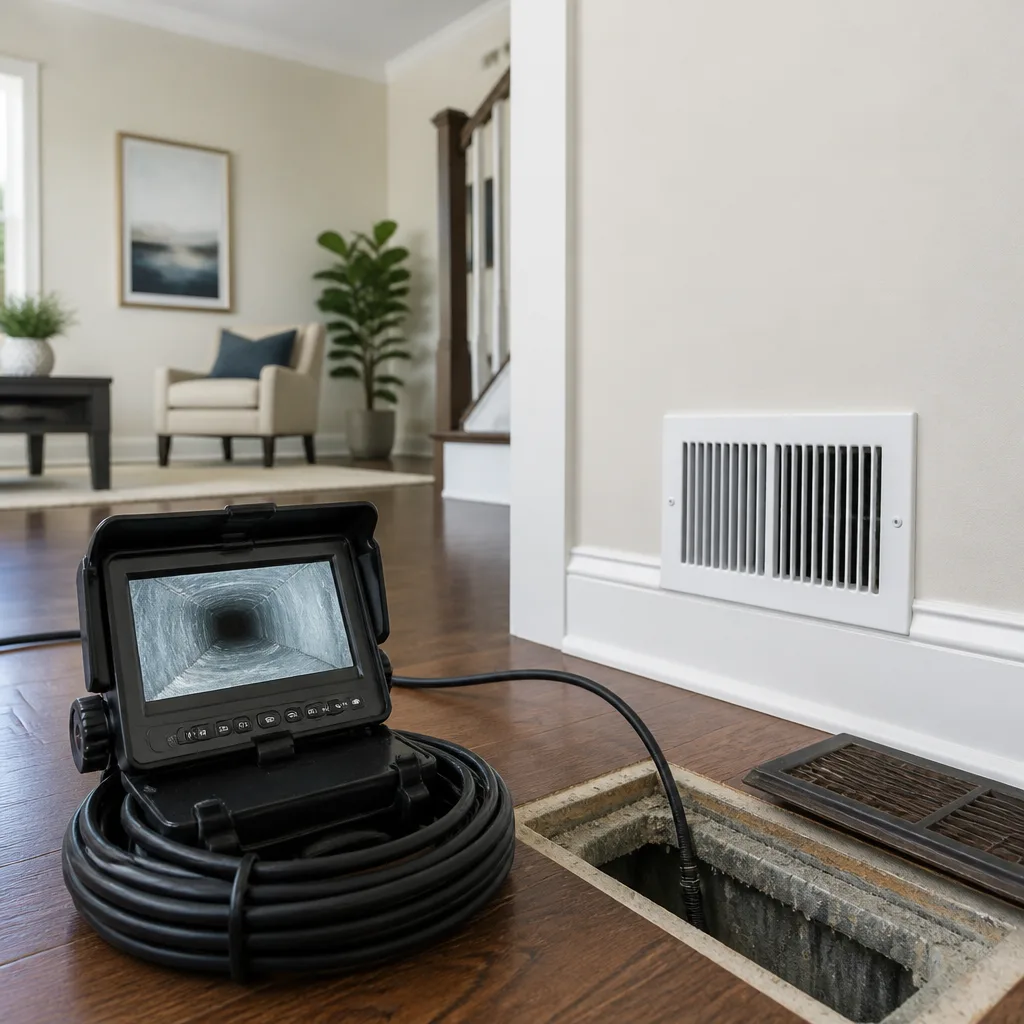 Camera inspection
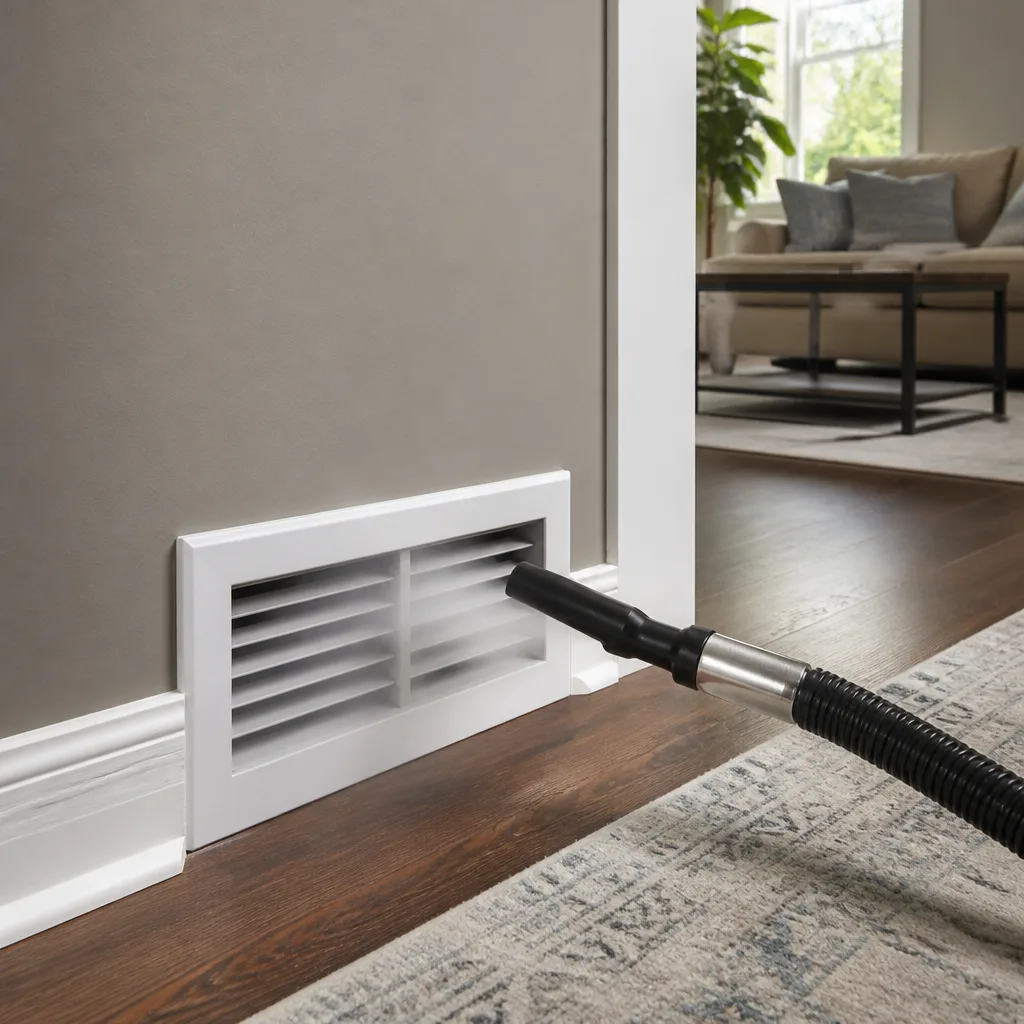 Sanitizing & deodorizing
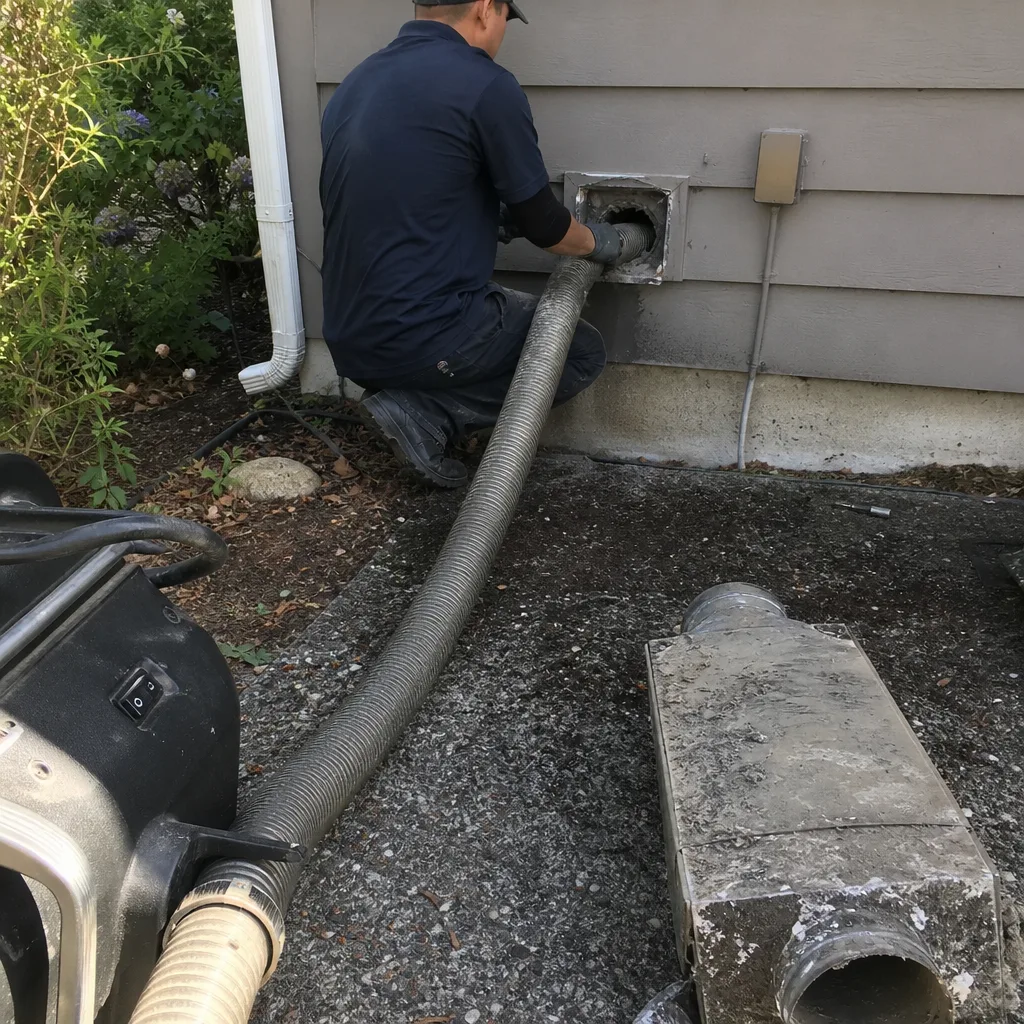
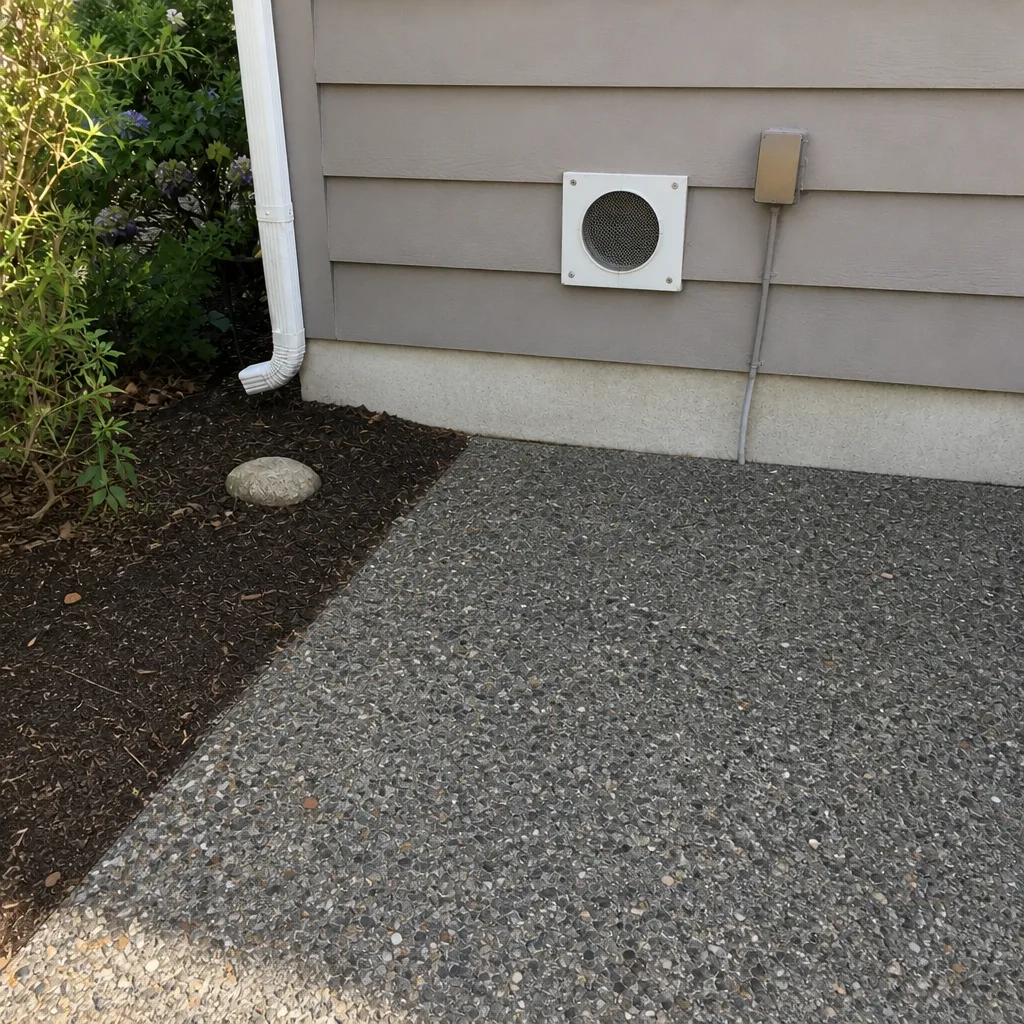
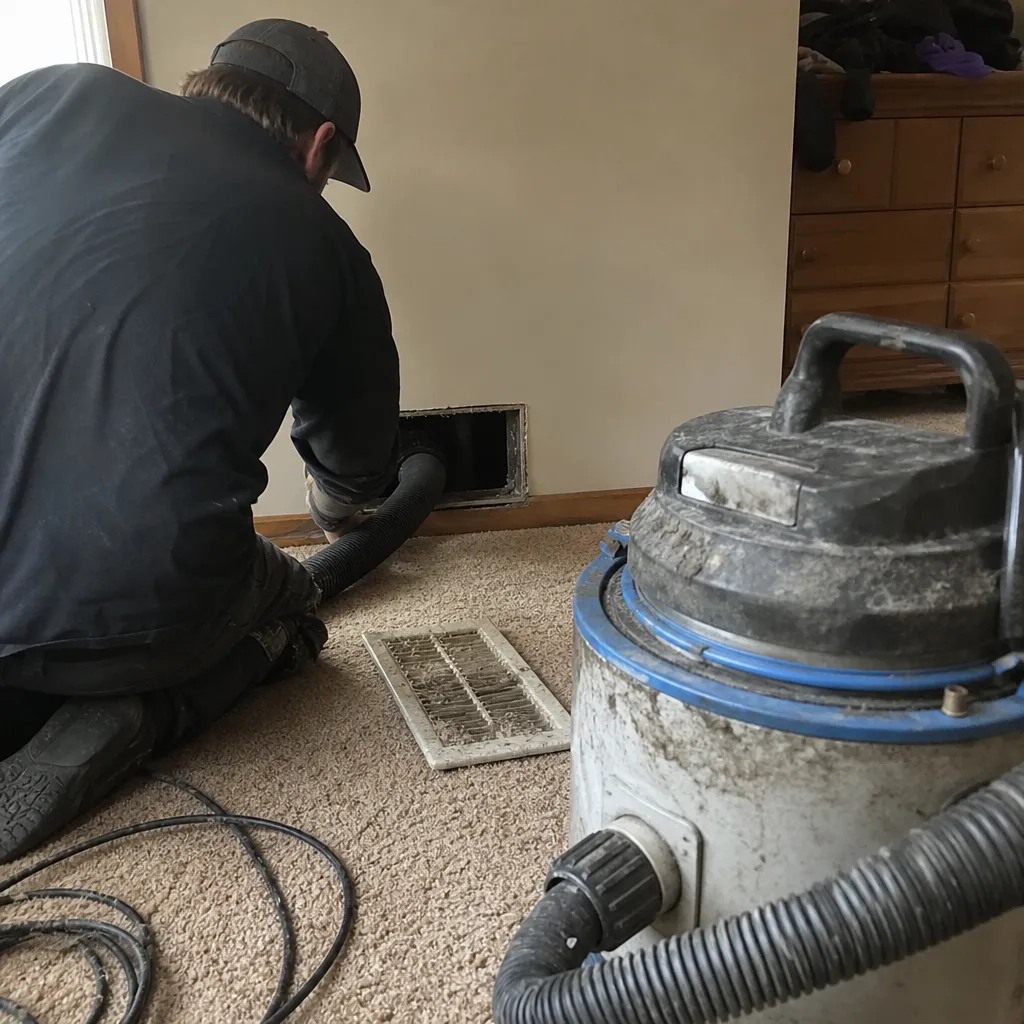
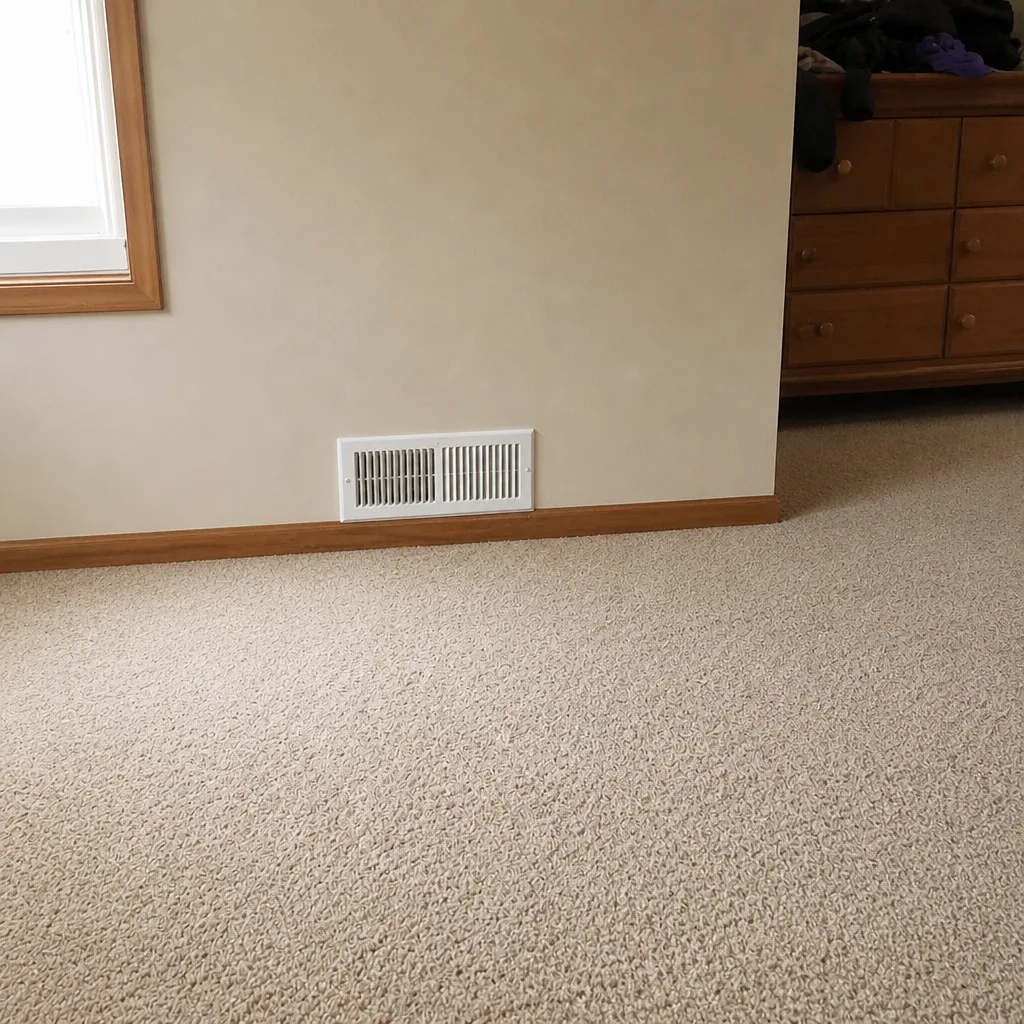
Whole-system duct and dryer vent check with before-and-after photos - you see exactly what came out of your vents
That "$99 whole-house special" is a bait ad - the real number appears once they are in your hallway, or the "clean" is a shop-vac at the register. We photograph the inside of your ducts before and after instead.
Air Duct Cleaning Emergency Preparedness Guide for Everett Homes
Most homeowners around Everett think about their ducts when the furnace starts blowing dust, and not a moment sooner. That’s backwards. When flood water gets into a crawlspace after an atmospheric river, it doesn’t just soak the insulation. It wicks up into flex duct seams, drops sediment into the runs, and starts the clock on mold colonization inside 48 to 72 hours. The ducts are usually the last thing anyone addresses, sometimes weeks later. This guide walks through how flood, wildfire smoke, and seismic events each hit your duct system differently, what the response protocol looks like for each, and how to get prepared before anything happens. Most of what follows is stuff a routine cleaning crew won’t tell you because it’s outside the scope of what they do.
Quick Answer
Air ducts need a specific response protocol after each type of emergency, and the protocol differs. Flood water in a crawlspace requires duct inspection within 48 to 72 hours, with cleaning or full replacement depending on how far moisture has wicked into flex seams. Wildfire smoke needs interior scope inspection to determine whether PM2.5 has actually deposited inside the duct walls or is just recirculating through filters. Seismic events need a scope inspection of flex connections and plenum joints, since separation often isn’t visible without a camera. For any of these, call a duct specialist who uses camera-verification and commercial-grade HEPA containment, not a crew with a shop vac.
Styles & brands we work with
- Whole-home duct cleaning
- Dryer vent cleaning
- Camera inspection
- Sanitizing & deodorizing
Table of Contents
- Post-Flood Duct Response for Everett Crawlspace Systems
- Wildfire Smoke Infiltration: When Smoke Gets Inside the Ducts
- Seismic Event Duct Inspection: What to Check After the Shaking
- Pre-Emergency Preparedness Actions for Everett Homeowners
- Insurance Documentation for Duct Damage
- Why Camera-Verified Cleaning Matters After an Emergency
- Common Mistakes to Avoid
- Frequently Asked Questions
Post-Flood Duct Response for Everett Crawlspace Systems
Everett sits in a band where atmospheric river events deliver days of steady rain rather than quick downpours, and that pattern matters for duct systems. Water doesn’t flash through, it pools. In homes with crawlspace duct runs, standing water can sit under a vapor barrier for hours before it’s noticed, and the ducts are the last thing on the homeowner’s list because they’re out of sight. By the time anyone looks, the moisture has already started moving where you can’t see it.
Here’s the timeline we tell Everett homeowners to work from:
- Hours 0-24 after water recedes: Do not run the HVAC system. Running it pulls moisture-laden air through every run and distributes it into living spaces.
- Hours 24-48: Get the crawlspace dehumidified and get the duct system inspected with a camera, not just a flashlight. Water that pooled under flex duct runs pushes into the seam tape and joint gaps.
- Hours 48-72: This is the mold window. If duct insulation or the interior of flex has remained wet through this period, expect contamination even if it isn’t yet visible.
- After 72 hours: Any duct run that sat wet is a candidate for replacement, not just cleaning. Cleaning the inside of saturated flex doesn’t address the wet insulation jacket or the compromised vapor barrier around it.
What sediment intrusion looks like inside flex duct is a specific thing once you’re looking at it with a scope. Flood water carries silt and debris with it, and when it enters a duct run through a compromised joint or a low point, it deposits in the corrugations. You see it as darker rings, fine grit at the bottom of horizontal runs, and often a damp smell that doesn’t clear after a week. Standard air duct cleaning picks up dry sediment fine. Silt that has bonded into flex corrugations after drying is a different problem, and one that a typical cleaning doesn’t fully remove without high-pressure agitation and proper containment. That decision, clean versus replace, should be made after an interior camera inspection, not by looking at the crawlspace from the access hatch.
Wildfire Smoke Infiltration: When Smoke Gets Inside the Ducts
Wildfire smoke events in the Puget Sound region have become a fixture of the late summer and early fall. When smoke settles over Everett for days at a stretch, the question most homeowners can’t answer is whether it has actually penetrated the duct interior or whether the filters are doing their job. Those two scenarios need different responses.
Filters catch particulate, but they don’t stop smoke from recirculating through the return side during a long event. The deposits that matter are the ones that land on the interior walls of the duct runs themselves, especially on the return side and inside the plenum. Once PM2.5 has deposited on duct surfaces, running the system in normal mode re-entrains some of it, which is why a house can smell like smoke weeks after the fire is out.
How to tell the difference between a filter problem and a duct problem:
- Smell returns within an hour of shutting windows and running the system: likely duct-side deposits, not just outside air.
- Visible darkening on the return grille or register face: a sign that deposits have moved past the filter.
- Smoke smell strongest in rooms farthest from the air handler: the runs are holding deposits.
- Smoke smell gone but headache and irritation persist after replacement filters: the source is inside the system.
Remediation requires actual surface cleaning with negative-pressure containment, not just a filter change. Nikro HEPA vacuum equipment is built for this, because it traps dislodged particulate at the source instead of letting the vacuum exhaust put it back into the room. For contamination closer to the severe end of the spectrum, Abatement Technologies equipment is what we deploy, because it’s designed for that kind of load. On the filtration side, Honeywell and Aprilaire media filters can be installed after cleaning to help with ongoing particulate, but they don’t substitute for the cleaning itself.
Seismic Event Duct Inspection: What to Check After the Shaking
Western Washington sits in a seismically active zone, and most homeowners know the general drill: secure water heaters, know where the gas shutoff is, have a plan. What gets left off the list is the duct system. After a significant shaking event, the duct runs are one of the more vulnerable parts of the mechanical system, and the damage is often invisible from the crawlspace floor.
The problem is that flex duct connections rely on clamps, mastic, and tape at joints that need to stay sealed to work. A shaking event can loosen clamps, crack mastic, or separate flex from collar without anything falling. You don’t see it because the connection is in a joist bay or behind a chase. You find out because the system suddenly isn’t delivering the same airflow, or because you smell crawlspace air in the living room, or because a room that used to heat fine now stays cold.
What a trained camera inspection looks for after a seismic event:
- Flex-to-collar connections at every register boot: look for separation, cracked mastic, or tape that has pulled away.
- Plenum joints at the air handler: the highest-stress point in the system during shaking.
- Compression in the runs: flex can sag or crush and restrict airflow without any visible tear.
- Loose flex between joists: a run that’s touching joists or framing where it shouldn’t be can rub and wear through over time.
- Disconnected return ducts: these are the ones that pull unfiltered attic or crawlspace air into the living space, and they’re the hardest to find without a scope.
If a scope inspection turns up separation, that’s a repair job, not a cleaning job. We repair duct systems as a core service because that’s the difference between cleaning around a problem and actually fixing it. See how we handle air duct cleaning to understand what that service covers and where repair picks up from there.
Pre-Emergency Preparedness Actions for Everett Homeowners
The best post-emergency response is the one you never need, because you already knew what was there and who to call. These are the preparedness steps worth doing before an atmospheric river, smoke event, or quake forces the question. We’ve been serving homes in Everettand this is the short list we’d hand a friend.
- Document your duct system layout. Sketch or photograph every register, the air handler location, the main trunk, and any branch runs you can see. Photograph the crawlspace duct runs from the access hatch. This takes 20 minutes and it’s the single most valuable pre-event action. An adjuster will ask for it, and a technician will use it to plan a scope inspection.
- Know your HVAC shutdown protocol. Locate the breaker for the air handler and the thermostat. If water reaches the crawlspace, you stop the system before anything runs. Label the breaker. If you can’t find it in the dark, you don’t have a protocol.
- Photograph duct condition before anything happens. Close-up photos of the plenum, the flex connections, the register boots, and the filter housing. Timestamped. This is your baseline, and insurance claim decisions can hinge on whether the adjuster can see the pre-event state.
- Establish a contractor relationship before you need one. Duct work after a flood or smoke event is a scheduling problem as much as a technical one. Having a duct specialist who already knows your system layout shortens the inspection window from weeks to days, and the 48 to 72 hour mold window doesn’t wait.
- Keep the crawlspace access clear. A hatch buried under stored items costs inspection time you may not have.
- Check the dryer vent as part of the same review. If you’re documenting ducts, do dryer vent cleaning as a session and photograph that run too, because blocked dryer vents are their own emergency.
The full scope of what we handle is on Duct Cleaning Everett, and it’s worth a look as you build your own preparedness list so you know exactly what a duct specialist can and can’t do.
Insurance Documentation for Duct Damage
Duct work after a flood or smoke event is often covered by homeowner’s insurance, but the claim depends on documentation that exists before and after the event. Adjusters ask for the same handful of things every time, and homeowners who can produce them get paid faster. Those who can’t spend weeks proving that the duct interior wasn’t already contaminated before the water came in.
What adjusters typically require for HVAC and duct system claims:
- Pre-event condition photos of the air handler, plenum, flex connections, and register boots, with timestamps.
- Post-event photos showing standing water at the crawlspace level, visible sediment in registers, or smoke deposit on return grilles.
- The inspection report from a duct specialist, with camera stills showing the contaminated sections and identifying which runs need replacement rather than cleaning.
- A written estimate for the scope being claimed, broken out by cleaning versus repair versus equipment replacement.
- Timeline documentation showing when the event occurred and when the response began, because the 48 to 72 hour mold window factors into the adjuster’s judgment about causation.
Pre-event photo documentation is the one that changes claim outcomes most often. If you can show the same duct run before the flood was clean, the adjuster can see whether the sediment actually came from the event. If your only photos are after the fact, that’s a legitimate argument to have, but you’re having it from a weaker position. This is also why we recommend a camera inspection report from a prior cleaning be kept on file. It’s not a claim document, but it does establish baseline condition.
Once the claim is filed, the actual scope of cleaning and repair should be set by a written estimate before work begins. That’s how we work across every system we touch, and it’s what creates the paper trail an adjuster needs. If you’re mid-claim and want a documented inspection, that’s part of what we do.
Why Camera-Verified Cleaning Matters After an Emergency
After a flood, smoke event, or seismic incident, the difference between a proper response and a wasted invoice is whether the cleaning was actually verified on camera. You can’t see inside a duct run from the floor. That means you’re relying entirely on what the crew tells you they did, unless the crew uses equipment that lets them show you.
Our approach is built around the Rotobrush system, which combines mechanical brushing with real-time camera inspection. The camera isn’t a post-job add-on. It’s how we plan the cleaning and how we confirm it in the same visit. Before-and-after footage of your own ducts gets captured, so you see the difference between “we cleaned it” and “here’s what it looked like when we finished.”
That matters more after an emergency than during routine service, because the risk you’re addressing is invisible. Sediment that wicked into a flex seam after a flood doesn’t announce itself. Smoke that has bonded to the return plenum doesn’t smell once the filter is changed. A scope inspection determines the actual condition and a camera-verified cleaning confirms that condition has been resolved. The containment side matters just as much: Nikro HEPA vacuum equipment operates as a negative-pressure system, which keeps dislodged debris inside the equipment rather than recirculating it into the room. That’s the same principle remediation work runs on, which is why the equipment belongs in a response that follows an actual event, not just a routine cleaning schedule.
For homes with significant air quality load, the equipment choices matter even more. Abatement Technologies systems are what we use when the contamination goes past routine dust, and post-cleaning, we can set up filtration with Honeywell or Aprilaire media units if the homeowner wants to keep particulate loads lower on an ongoing basis. The cleaning is the service. The filtration is a follow-up, and it works best after the ducts are actually clean.
See the difference
 Before
 After
 Before
 After
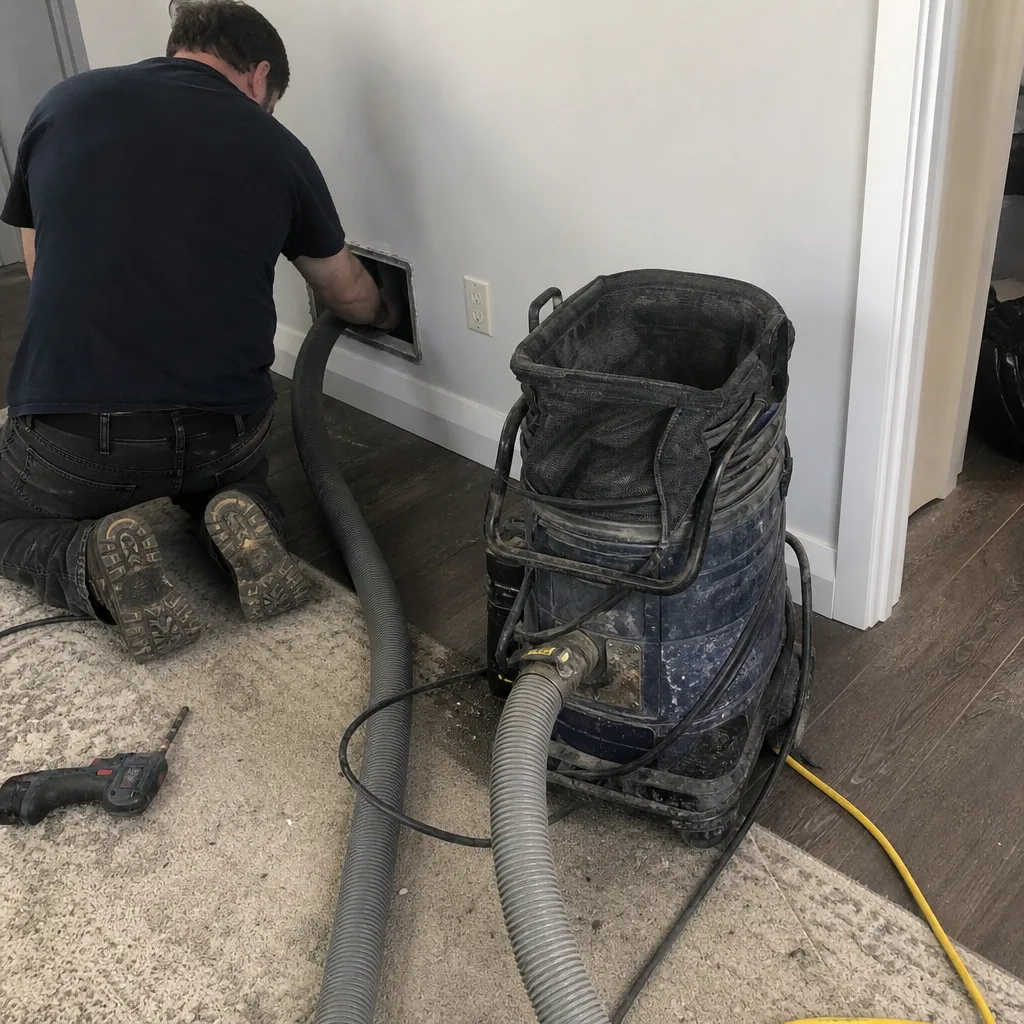 Before
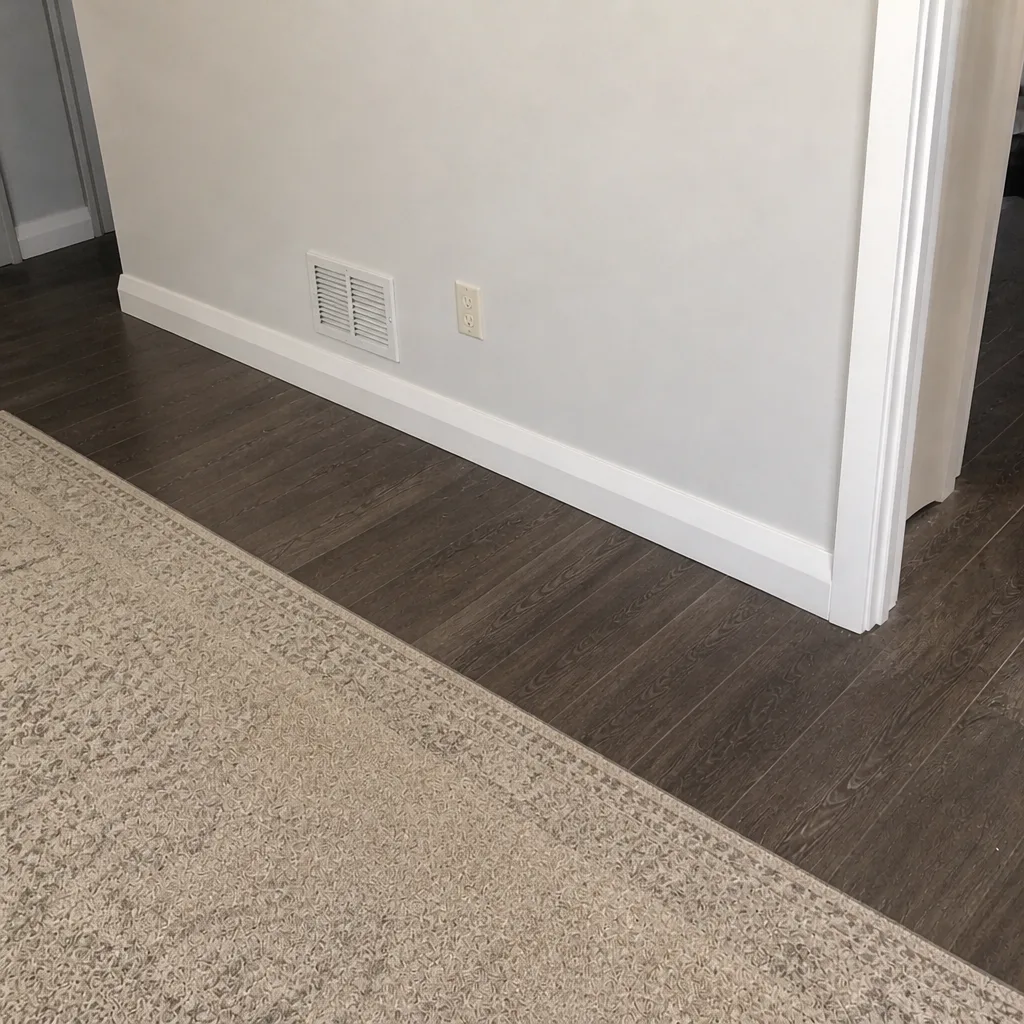 After
Common Mistakes to Avoid
- Running the HVAC system before the ducts are inspected. After a flood or smoke event, this distributes the contamination you’re trying to remove. Shut the system down until the duct interior has been scoped. In Everett homes with crawlspace duct systems, the air handler is often the last thing anyone thinks to shut off.
- Treating a wet duct system as a cleaning job. Cleaning doesn’t dry a duct run. If insulation and flex have stayed wet past 72 hours, replacement is the right response, and cleaning is a delay tactic that costs more money in the end.
- Assuming a filter change solves smoke infiltration. Filters reduce particulate. They don’t remove deposits once they’ve bonded to duct walls or the plenum. If the smell comes back after a filter change, the ducts are the problem.
- Skipping the post-seismic scope inspection. Duct separation after shaking is often invisible from the crawlspace floor. Without a camera inspection, you’re guessing about whether the system is sealed, and a disconnected return pulls unfiltered air into every room it serves.
- Not photographing duct condition before an event. Post-event claims get argued without pre-event documentation. A 20-minute photo session saves weeks of claim friction.
- Hiring the lowest bid without asking about equipment or verification. A shop vac and a brush will pick up surface dust. It won’t contain dislodged contamination, it won’t show you what was cleaned, and it won’t identify the structural issues after an emergency that need repair. Ask what equipment is coming into your home and whether the results will be camera-verified.
- Forgetting the dryer vent in the same review. If you’re documenting your ducts, check the dryer vent run too. Blocked dryer vents are a fire hazard on their own timeline, and the same readiness review catches both.
When to Call a Professional
Call a duct specialist when water has reached the crawlspace, when smoke smell returns after shutting windows and replacing filters, when the system airflow changes after a seismic event, or when you’re filing an insurance claim and need a documented inspection. These aren’t situations a homeowner can verify with a flashlight. Duct Cleaning Everett offers free estimates in Everett for air duct cleaning, duct repair, and dryer vent service. Call (833) 991-7936. We answer 24/7. Fast dispatch from 7am to 7pm, Sunday through Friday. The estimate is free and the price is set per job by the written estimate. If a call comes in outside dispatch hours, it’s booked into the next opening, Sunday through Friday, 7am to 7pm.
Frequently Asked Questions
Shut down the HVAC system before it runs again, then get a camera inspection of the duct interior within 48 to 72 hours. That window is the difference between cleaning a contaminated system and replacing wet duct runs before mold establishes inside flex duct. Running the system before inspection pushes moisture-laden air through every run. Call (833) 991-7936 for a documented inspection and written estimate.
Duct cleaning pricing depends on system size, contamination level, and whether repair is needed, so we set a flat price per system after inspecting on site, and the written estimate is the final price. We don’t quote per-vent teaser prices because the number that actually matters is the one on the invoice, and it should be the one you agreed to before anyone started. Call (833) 991-7936 for a free estimate.
Cheap quotes usually reflect equipment differences: a consumer-grade vacuum and a brush instead of a commercial HEPA-rated system with negative-pressure containment. That lower price often means dislodged debris recirculates into your home rather than being trapped, and no camera verification that the cleaning actually reached the interior of the duct. We use Nikro HEPA equipment and Rotobrush camera verification, and we repair what other crews walk past.
Camera-verified cleaning is the answer. Rotobrush equipment captures the interior condition of your ducts before and after, so you see the difference on your system rather than taking it on faith. Ask any contractor whether they can show you footage of your own ducts. If they can’t, you’re paying for an assertion. Call (833) 991-7936 to see how we document a cleaning.
In a normal year, most homes in Everett fall into a 3 to 5 year window, and homes with pets, recent renovation, or ongoing allergy concerns tend toward the shorter end. But the “when” changes after any of the emergency events covered above. A flood response is a same-week inspection, a major smoke event is worth a scope check, and a seismic event warrants a full inspection of connections and plenum joints. The interval isn’t a calendar rule, it’s a condition question. Call (833) 991-7936 for an inspection-based recommendation.
Yes, if the smoke has deposited on duct interior surfaces, which is common during extended Puget Sound smoke events. A filter change alone won’t do it, because deposits bond to the duct walls and plenum and re-entrain into airflow. Cleaning with commercial HEPA containment removes the deposits and stops the recirculation. We can also install Honeywell or Aprilaire filtration afterward to reduce future particulate load. Call (833) 991-7936 to schedule an inspection.
The Bottom Line
Air ducts belong on your emergency preparedness list alongside water, power, and gas shutoffs, because each of Everett’s three main emergency scenarios hits them in a specific way. Flood water in a crawlspace needs a 48 to 72 hour inspection window and a clean-or-replace decision made from camera footage. Wildfire smoke needs an interior scope to determine whether deposits have bonded to the return side. Seismic events need a scope inspection of every flex connection and plenum joint, because separation is often invisible. Pre-event photos, HVAC shutoff knowledge, and an established contractor relationship shorten every response timeline. And when the work happens, ask what equipment is coming into your home and whether the results will be camera-verified. That’s the difference between cleaning you can confirm and cleaning you have to trust. Duct Cleaning Everett handles air duct cleaning, duct repair, and dryer vent work as a single call, and we’re happy to inspect and quote with no obligation. Call (833) 991-7936. We answer 24/7. Fast dispatch from 7am to 7pm, Sunday through Friday.
Written by the team at Duct Cleaning Everett, serving Everett.