
Last updated November 14, 2026
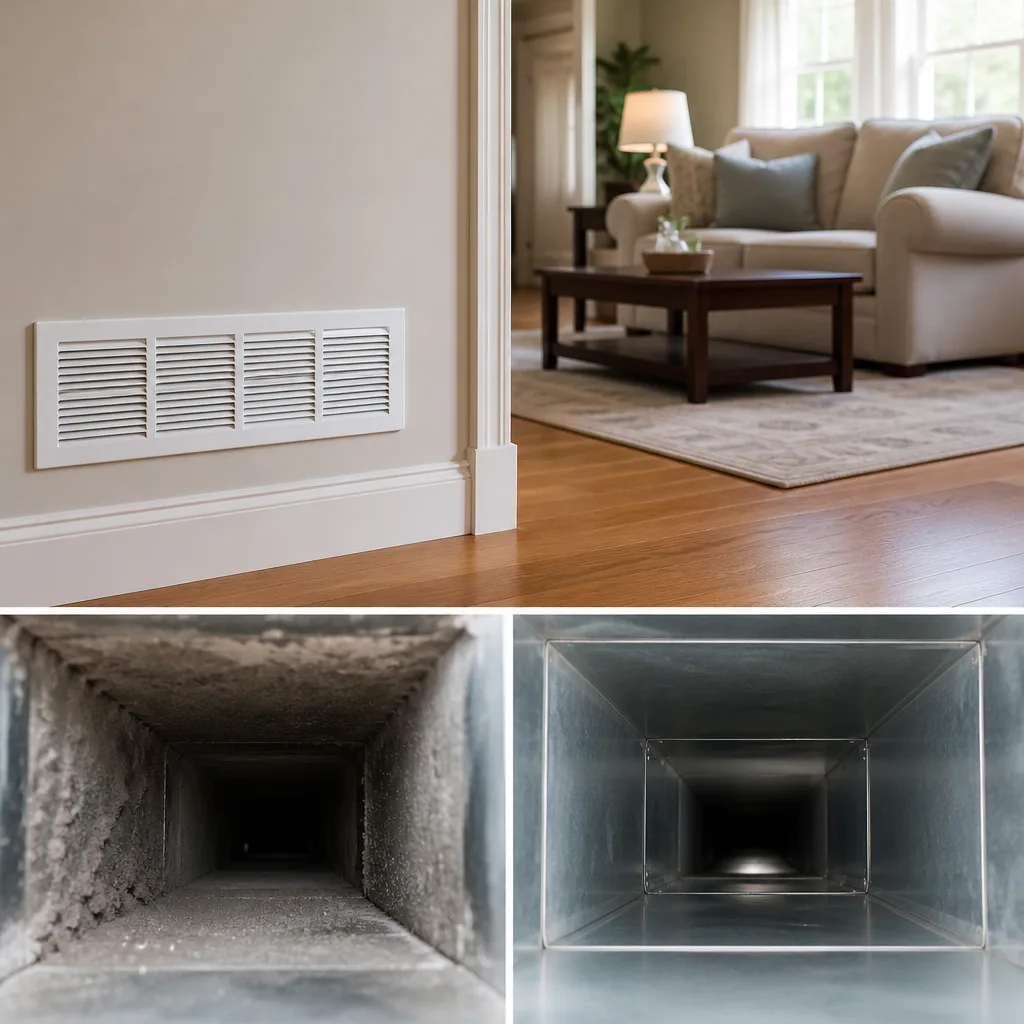 Whole-home duct cleaning
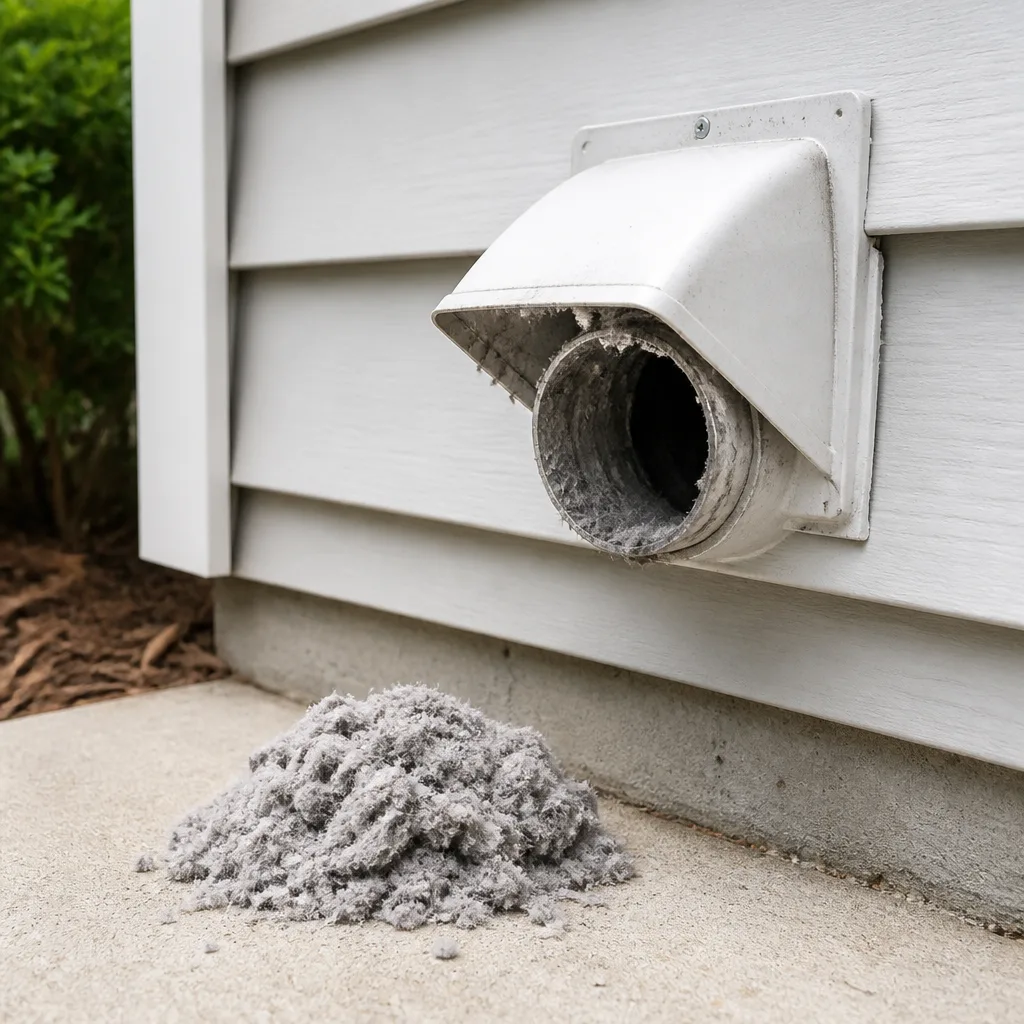 Dryer vent cleaning
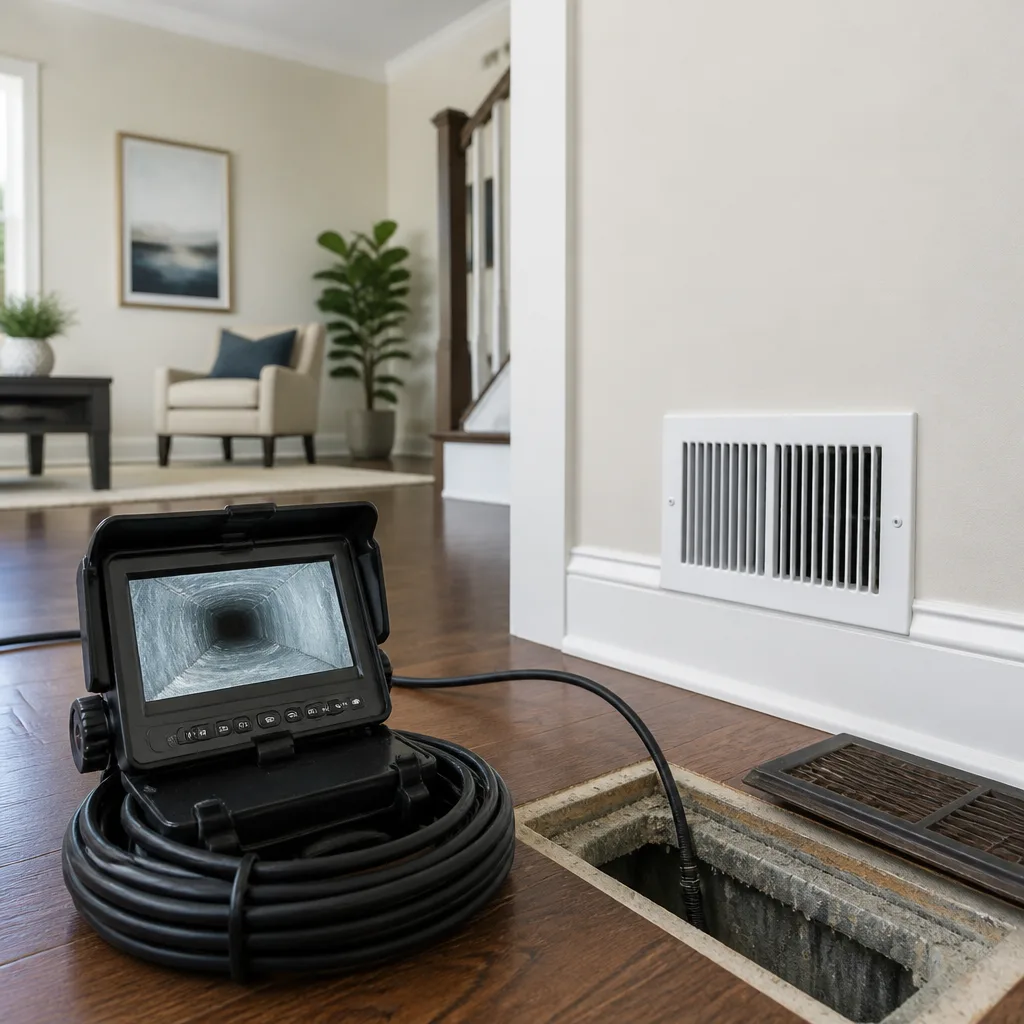 Camera inspection
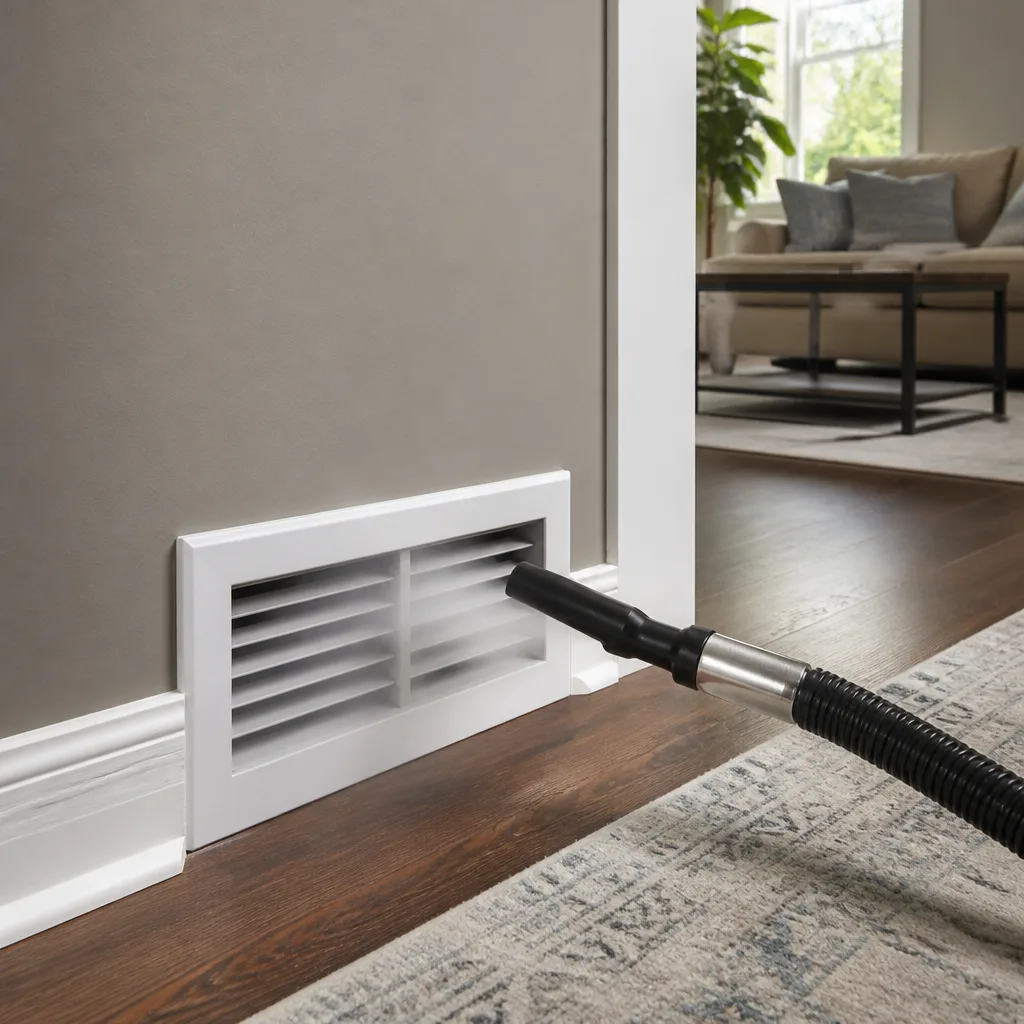 Sanitizing & deodorizing
Whole-system duct and dryer vent check with before-and-after photos - you see exactly what came out of your vents
That "$99 whole-house special" is a bait ad - the real number appears once they are in your hallway, or the "clean" is a shop-vac at the register. We photograph the inside of your ducts before and after instead.
Seasonal Air Duct Cleaning Care for Everett: Year-Round Homeowner’s Guide
Most homeowners treat duct cleaning as a once-a-decade chore, something to think about when the vents look dusty. That framing misses what actually happens inside a duct system in Everett. This corner of Washington doesn’t hand your ducts one problem; it hands them four, one per season, and each leaves a different residue behind. Wildfire smoke drifting in from Eastern Washington in August. Marine fog settling over the city in November. Forced-air heat running almost without a break from October into March. Crawlspace moisture peaking in February. Your ducts pass through all of it, and what settles inside changes month to month. In this guide we’ll walk through how each season loads your system, what to watch for, and a month-by-month calendar built for this climate rather than pulled from a national checklist.
Quick Answer
In Everett, air duct cleaning works best on a seasonal rhythm rather than a one-time schedule: inspect and clean before the heating season starts in September and October, check filters and crawlspace ducts after the wet winter, and respond to smoke events in late summer. The wettest, dustiest and smokiest months each leave their own debris, and cleaning at the right transition points keeps that debris out of the air you breathe and off the blower.
Styles & brands we work with
- Whole-home duct cleaning
- Dryer vent cleaning
- Camera inspection
- Sanitizing & deodorizing
Table of Contents
- Why Everett Ducts Need a Seasonal Approach
- Fall Prep (September-October): The Inspection That Matters Most
- Winter Load (November-March): Damp Air and Continuous Heating
- Spring Transition (April-May): Post-Heating Assessment
- Summer (June-August): Wildfire Smoke and What It Leaves Behind
- A Month-by-Month Duct Care Calendar for Everett
- When Cleaning Isn’t Enough: Duct Repair
- What You Can Check Yourself vs. What Needs Equipment
Why Everett Ducts Need a Seasonal Approach
Everett sits in a climate that’s mild on the thermometer and hard on ductwork in ways that don’t show up in a national cleaning schedule. The city rarely sees the deep freezes that crack systems in the Midwest, which is exactly why a lot of homeowners here assume their ducts are fine. The stress is different. It’s cumulative and it’s seasonal.
Four forces shape what happens inside your ductwork over a year:
- Rainfall and humidity. Everett’s wet months push moisture into crawlspaces, and crawlspaces are where a lot of the region’s flex duct runs. Damp air and cool metal don’t mix well.
- Wildfire smoke. Late-summer smoke from Eastern Washington moves across the Cascades and settles into the lowlands, and it finds its way into homes through returns and any gap in the envelope.
- Long heating cycles. From October through March the furnace runs most days. That constant airflow does two things: it compacts debris against duct walls and it works the joints of flex duct in unconditioned spaces.
- Marine fog and cool, still air. In November and December the region gets long stretches of fog and low cloud. Windows stay shut, air exchange drops, and whatever’s in the ducts recirculates more.
None of these is dramatic on its own. Stack them across twelve months and you get a system that quietly accumulates a different kind of load each season. That’s the case for seasonal care in Everett: not because the ducts are worse here, but because the inputs change and the cleaning should follow them. If you want the broader picture of how duct cleaning works as a service, our Duct Cleaning Everett page covers the fundamentals.
Fall Prep (September-October): The Inspection That Matters Most
If there’s one window in the Everett year when duct attention pays off the most, it’s the stretch before you turn the heat on for the season. Here’s why: everything that settled into your ducts over the dry summer is still sitting there, loose and undisturbed. The moment the furnace kicks on, that material gets heated and pushed through every register in the house at once.
What accumulates over an Everett summer is specific. Fine dust and pollen from the long dry stretch. Smoke residue if there were wildfire events. Debris that slipped past a filter. In crawlspace duct runs, a bit of moisture film from the cooler nights. When the first heating cycle of the season fires up, the blower moves warm air across all of it, and homeowners notice the smell before they notice anything else: a faint dusty, slightly burnt odor on the first cold morning.
That smell is the signature of a system that needed attention in September. A pre-heating-season inspection looks for:
- Debris load in the main trunk and branch runs, verified with a camera rather than guessed at.
- Moisture or staining at duct joints in the crawlspace, before it becomes a bigger problem.
- Filter condition and whether the filter is actually the right spec for the system.
- Loose or separated flex duct connections that summer vibration may have opened.
- Return-air grilles and registers, which collect the most visible dust and signal what’s behind them.
This is where camera inspection earns its place. A Rotobrush system combines mechanical brushing with a camera that lets us show you what’s inside the duct before and after, so a fall cleaning is something you can confirm rather than take on faith. Booking the inspection in September or early October means the first heating cycle of the year moves clean air, not last summer’s dust.
Winter Load (November-March): Damp Air and Continuous Heating
Everett winters are mild compared to most of the country, and that lulls people. But mild doesn’t mean idle. From November through March the furnace runs nearly every day, often for long, low-demand cycles rather than short blasts of heat. That pattern does something specific to ducts: it keeps a steady, gentle airflow moving across the same surfaces for months, which compacts light debris into a denser layer against the duct walls.
The other winter story is moisture. February is typically the wettest month in this part of Washington, and crawlspaces take the brunt of it. A lot of Everett homes have flex duct running through unconditioned crawlspaces, and flex duct has more joints, more bends and more surface area than rigid metal. Through a wet winter those joints get worked by the constant cycling of warm air inside and cool, damp air outside. Joints that were tight in October can loosen, and a loosened joint doesn’t just leak air. It pulls crawlspace air into the system.
What that looks like from the living room is subtle: a room that never quite heats evenly, a faint musty note when the heat runs, higher dust on the furniture. None of it is alarming on its own. Together they’re the winter signature of a duct system under load. Residential air duct cleaning in the middle of the heating season is usually about containment as much as removal, which is why equipment matters: Nikro HEPA-rated vacuum systems pull debris out under negative pressure rather than blowing it back into the room. If you notice a persistent musty smell through the winter, it’s worth having the crawlspace runs inspected before spring.
Spring Transition (April-May): Post-Heating Assessment
Spring is the season to check what the winter did. Once the heating season winds down in April and May, you have a window before summer cooling and smoke season arrive, and it’s the right time to assess the system rather than simply clean it.
Two things deserve attention in an Everett spring:
- Filters and registers. A filter that’s been running all winter is loaded, and a loaded filter restricts airflow, which makes the blower work harder and can pull air through gaps it shouldn’t. Registers carry the visible evidence: dust patterns at the grilles tell you whether the supply side is moving clean air or not.
- Crawlspace duct inspection. Peak moisture season has passed. That’s the moment to check flex duct joints, insulation wraps and connections in the crawlspace, while the evidence of winter wear is still fresh and before summer heat dries and hides it. A joint that opened in February is easy to find in April.
This is also where repair and cleaning divide. A spring assessment sometimes finds a collapsed section of flex duct, a breach at a takeoff, or a failed connection that no amount of cleaning will fix. Those are structural problems, and a cleaning-only crew will clean around them and leave them in place. We repair what others walk past, which is why an inspection that finds a breach ends with a fix rather than a note on a clipboard.
Summer (June-August): Wildfire Smoke and What It Leaves Behind
Late summer is when Everett’s air quality story changes. Wildfire smoke from Eastern Washington moves west across the Cascades and settles into the Puget Sound lowlands, and when it does, your home’s ductwork becomes part of how that smoke gets in.
Smoke particles are small enough that ordinary filters don’t catch all of them, and they enter through returns, gaps in the envelope and any place the system pulls outdoor air. Once inside, that fine particulate settles on duct surfaces, on the blower wheel and on the evaporator coil if you’re running cooling. You may not see it. What you might notice is a faint smoky smell when the system runs days after the smoke has cleared, or a return to dustier rooms.
What to do during and after a smoke event:
- Keep windows and doors closed and run the system on recirculate if your thermostat offers it, so you’re not pulling outdoor air in.
- Check the filter during the event and change it after; smoke loads a filter fast.
- If the smoke smell persists in the system days after the air clears, have the ducts inspected. Persistent smell usually means particulate has settled where airflow keeps disturbing it.
- Consider a higher-MERV filtration upgrade if smoke events are recurring. We work with Honeywell and Aprilaire filtration products to match a filter to the system rather than guess at one.
Summer smoke is also when Abatement Technologies equipment matters. A routine dusty-duct job and a post-smoke contamination situation aren’t the same load, and the equipment should match the job. For homeowners who want to understand what heavier contamination looks like, a professional assessment is the honest way to find out. Dryer vents deserve a summer check too, and our dryer vent cleaning service covers that side of the system.
A Month-by-Month Duct Care Calendar for Everett
Here’s the seasonal calendar we’d hand a homeowner in Everett, built around this region’s weather rather than a generic national schedule.
- January. Heating runs hard. Check the filter mid-month; a filter that’s visibly gray is restricting airflow.
- February. Wettest month. Watch for musty smells and uneven heating, both signs of crawlspace duct moisture.
- March. Last stretch of heavy heating. Note any rooms that heat poorly; they’re clues for the spring inspection.
- April. Heating winds down. Change the filter and book a post-winter inspection, especially for crawlspace runs.
- May. Spring assessment window. Check registers for dust patterns; schedule repair if a joint or section is failing.
- June. Cooling season begins. Replace the filter before the first cooling cycles.
- July. Dry and dusty. Keep windows and returns clean; dust load climbs in dry months.
- August. Wildfire smoke risk peaks. Run on recirculate during smoke events, change the filter after, and watch for lingering smell.
- September. The key month. Book a pre-heating-season inspection and cleaning before the furnace comes on.
- October. First heating cycles. A dusty or burnt smell now means the September inspection was skipped.
- November. Fog and closed windows. Air exchange drops; whatever’s in the ducts recirculates more.
- December. Continuous heating. Check the filter and note any new uneven-heating patterns for the spring.
The two dates that matter most on that calendar are September and April. Get those right and the rest of the year is maintenance. Skip them and the system carries each season’s load into the next.
When Cleaning Isn’t Enough: Duct Repair
A lot of what looks like a cleaning problem in Everett is actually a repair problem. Continuous heating cycles stress flex duct joints in crawlspaces, and a joint that’s separated doesn’t just leak air; it pulls unconditioned, sometimes damp crawlspace air straight into the supply side. Cleaning a system with a breach like that is cleaning the wrong thing.
Signs the issue is structural rather than just dirty:
- One or two rooms that never heat or cool like the rest, consistently.
- A musty or crawlspace smell that comes and goes with the heating cycle.
- Visible sagging, kinked or disconnected flex duct in the crawlspace.
- Dust settling faster in one area than the rest of the house.
Repair is a core part of what we do, not an upsell. We identify breaches, collapsed sections and failed connections, and we fix them. That’s the difference between a band-aid and a real solution, and it’s the reason a duct system in Everett should be inspected by someone who can repair what they find. When we work with Guardsman components and connectors, it’s to make a repair that holds through another wet winter rather than one that fails by February.
What You Can Check Yourself vs. What Needs Equipment
Some of the seasonal work is genuinely yours to do. The rest needs equipment, and knowing the line saves you time and money.
What you can do:
- Change the filter on schedule and match the MERV rating to your system.
- Wipe registers and grilles and watch for dust patterns that signal a problem behind them.
- Smell the air on the first heating cycle of the season; a dusty or burnt note means a pre-season inspection is due.
- Note rooms that heat unevenly and mention them when you call.
What needs professional equipment:
- Seeing inside the ducts. Camera inspection shows what’s actually there rather than what you assume.
- Removing compacted debris under negative pressure with HEPA-rated equipment so it doesn’t recirculate.
- Inspecting and repairing flex duct joints in the crawlspace.
- Assessing post-smoke particulate loading and recommending filtration that fits the system.
Don’t reach into ducts yourself or try to clean branches with a shop vac; you’ll stir up more than you remove. The work that matters happens under containment, with equipment that traps what it dislodges.
Common Mistakes to Avoid
- Cleaning only in the middle of winter. Mid-season cleaning is containment, not prevention. The inspection that actually protects you happens in September, before the heat comes on.
- Waiting for visible dust before scheduling. By the time dust shows at the registers, the main trunk is already loaded. The seasonal calendar catches it earlier.
- Ignoring a musty smell through the wet months. In Everett, a musty note in February usually points to crawlspace duct moisture. Left alone, it grows into a joint failure.
- Skipping the filter change after a smoke event. Smoke loads a filter fast. Running a loaded filter through the rest of summer restricts airflow and stresses the blower.
- Hiring a crew that cleans around a breach. If a joint is separated or a section is collapsed, cleaning does nothing. Make sure whoever inspects can also repair.
- Assuming mild winters mean idle ducts. Everett’s long, low heating cycles compact debris as effectively as a hard freeze would crack a pipe. Mild is not the same as easy on the system.
- Using a national seasonal checklist. A schedule built for a cold, dry climate misses the rainfall, fog and smoke patterns that define an Everett year.
See the difference
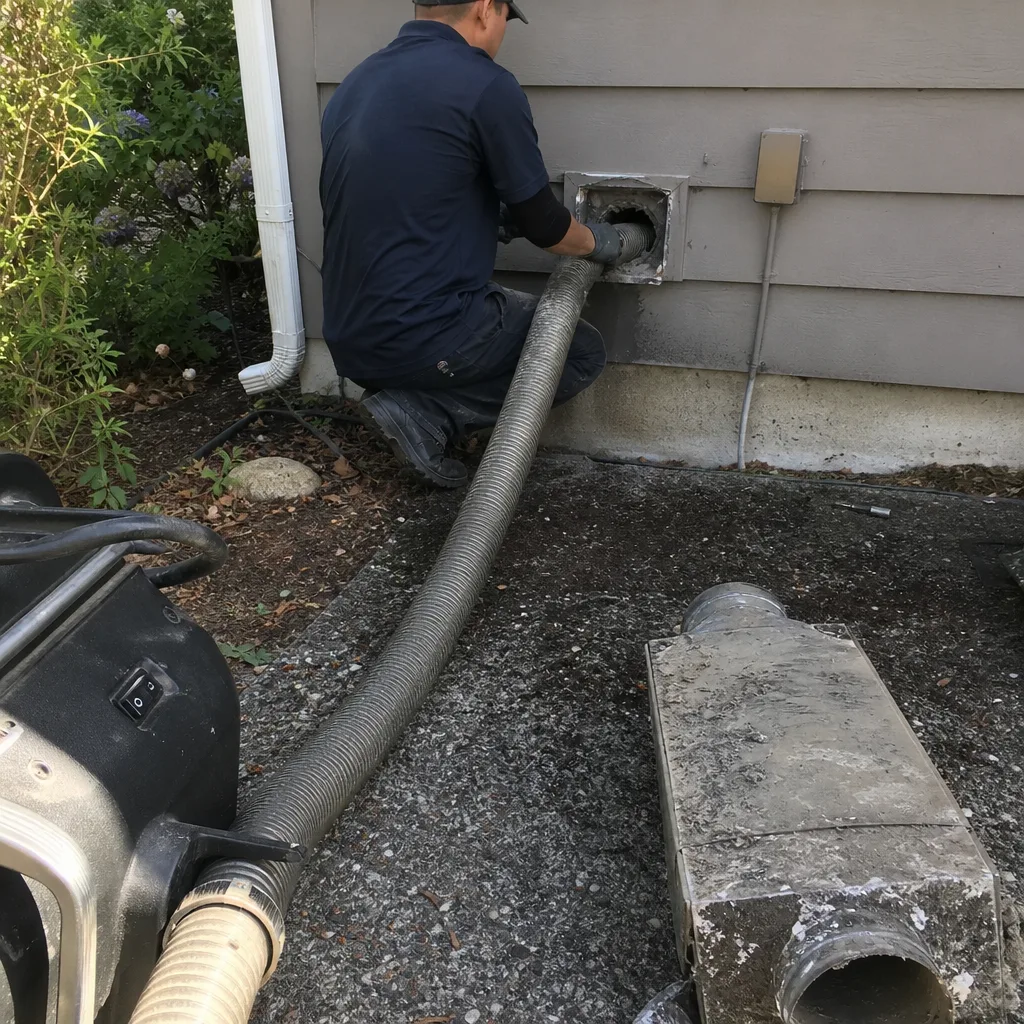 Before
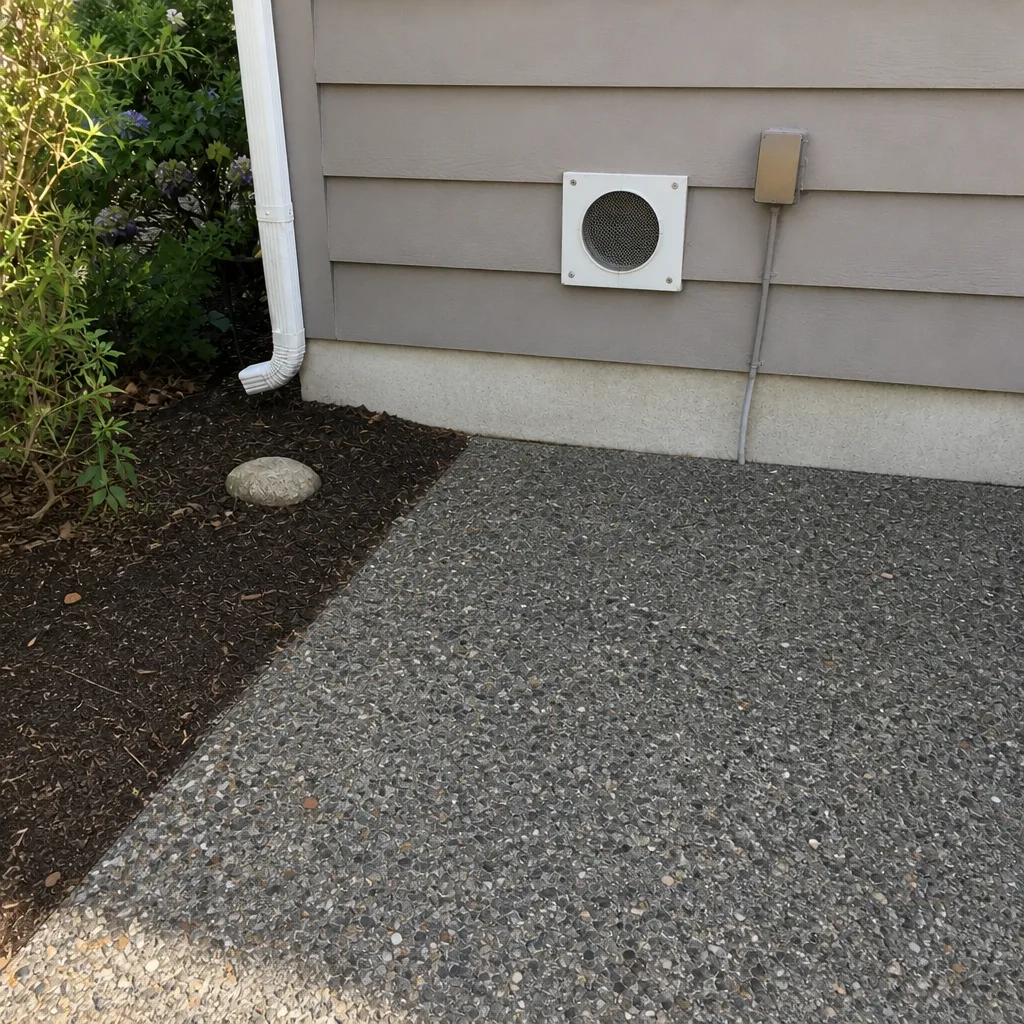 After
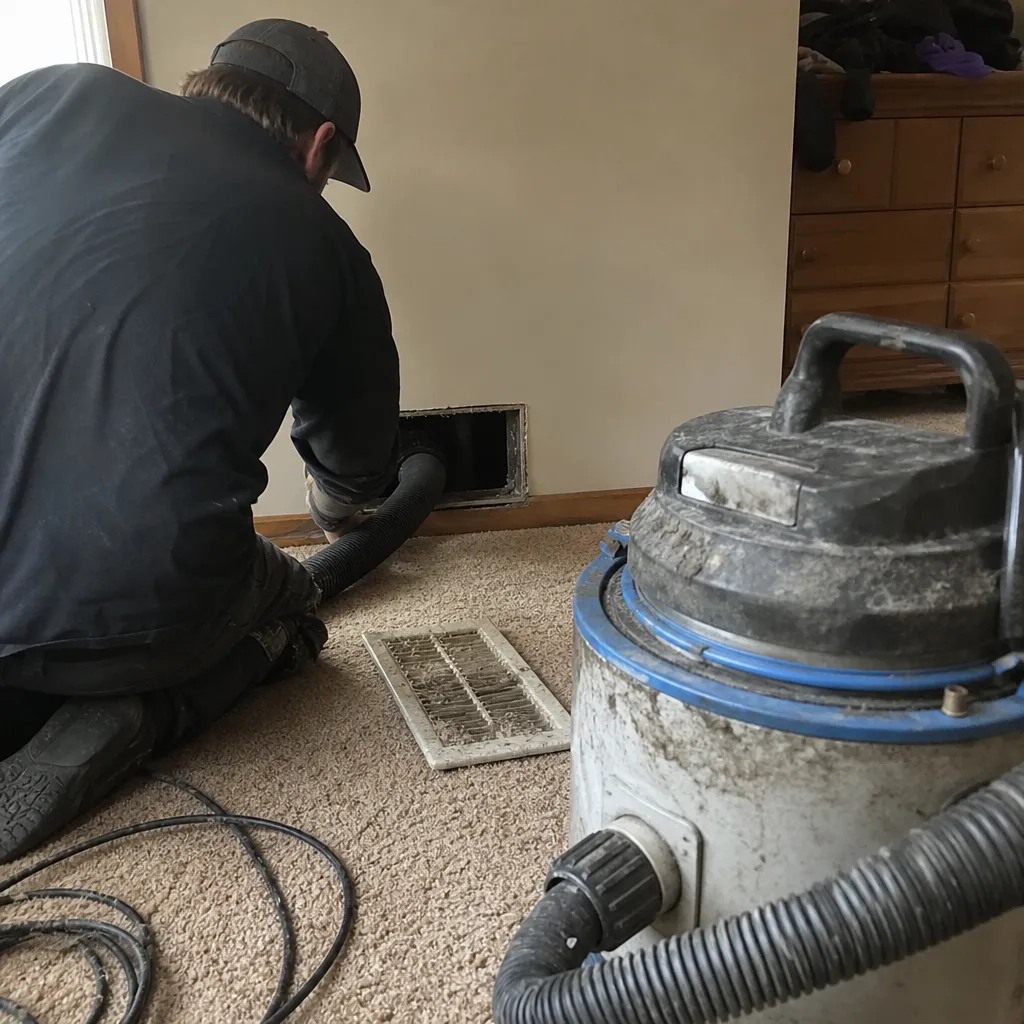 Before
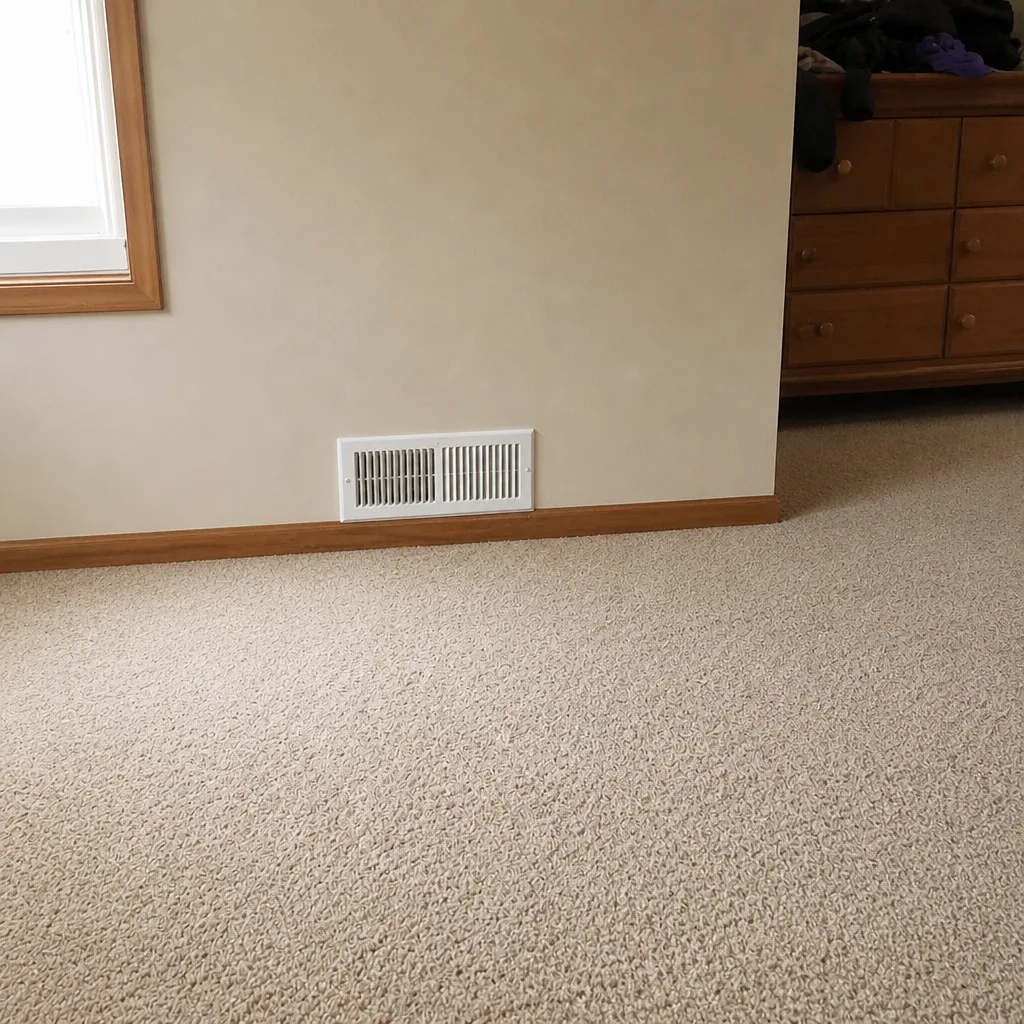 After
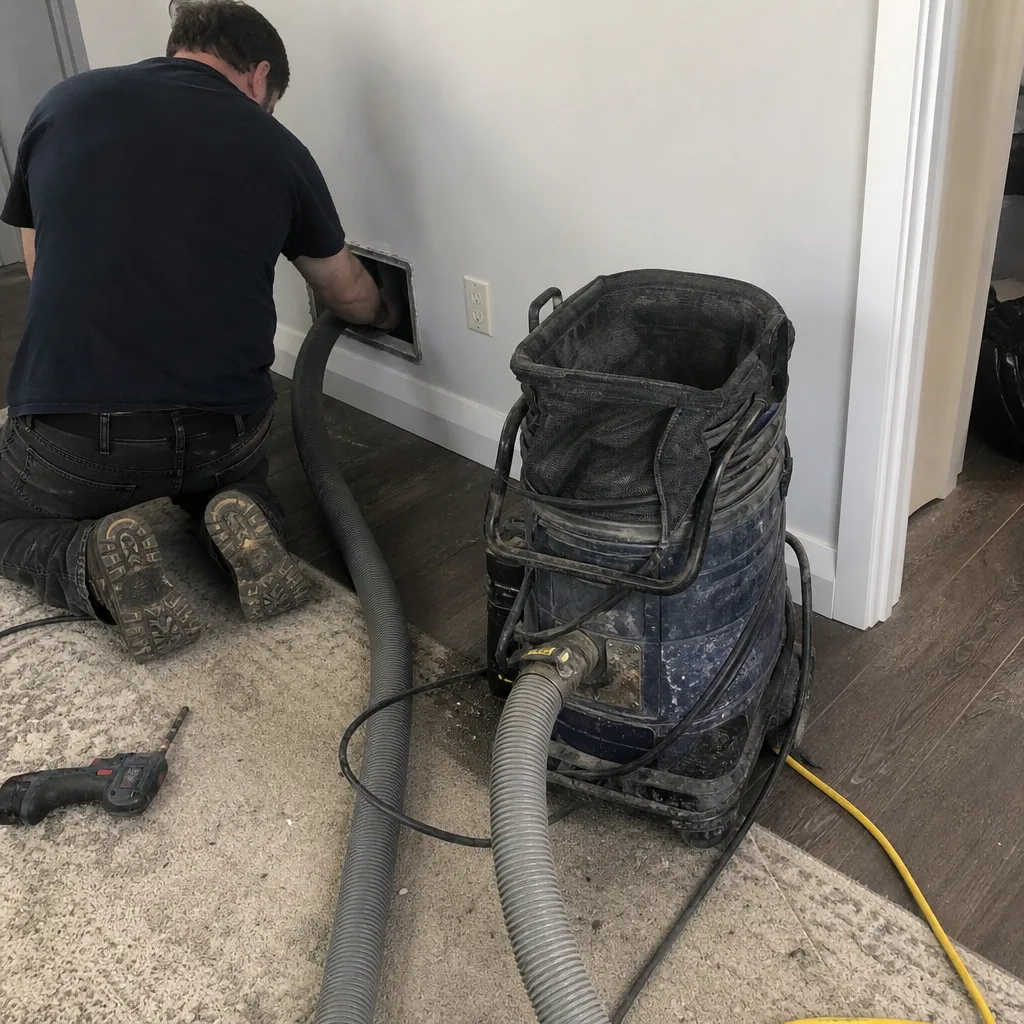 Before
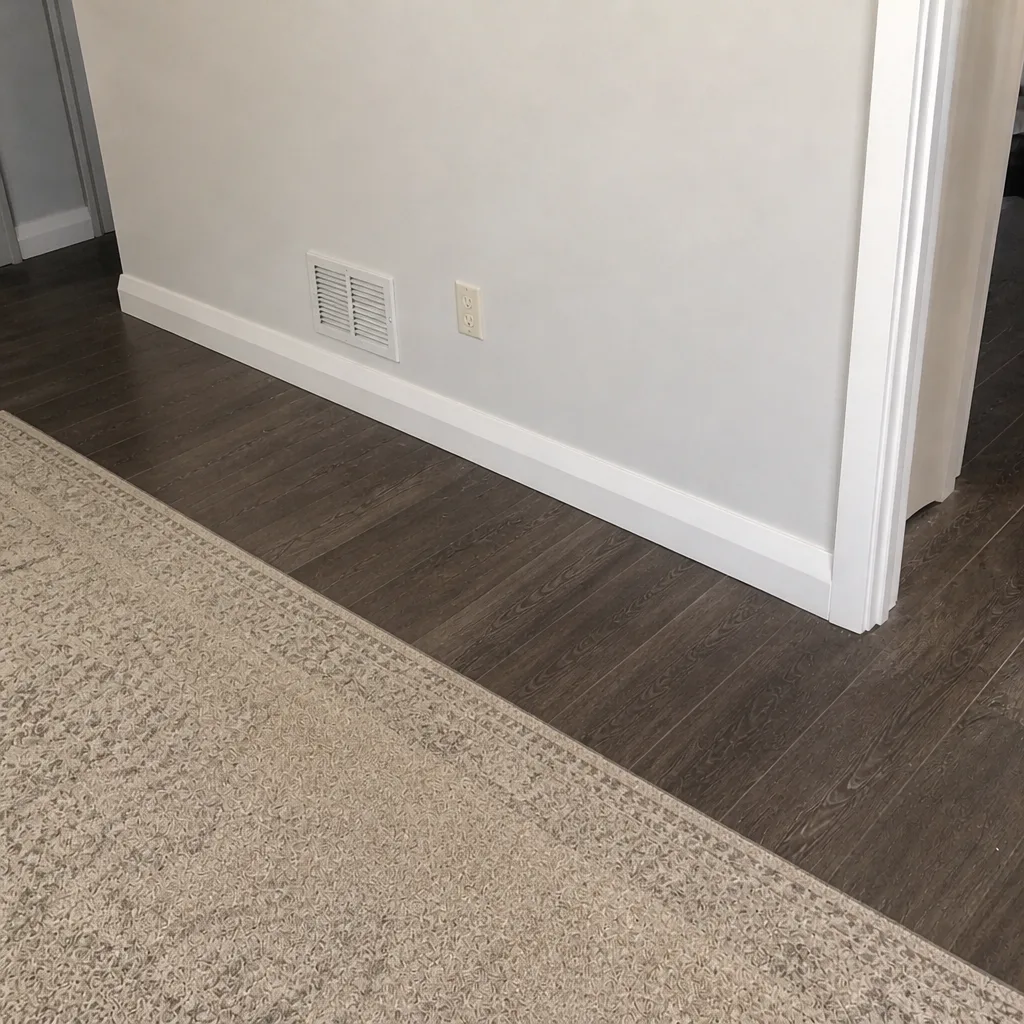 After
When to Call a Professional
Some seasonal checks are yours; others should bring a technician out. Call when the first heating cycle of the season produces a dusty or burnt smell, when one or two rooms never heat evenly, or when a musty odor follows the heating cycle through the wet months, which in Everett often points to crawlspace ducts. Call after a significant wildfire smoke event if the smoky smell lingers in the system days after the air clears. Call if you see sagging, kinked or disconnected flex duct in the crawlspace, or if a discount cleaning left you unsure whether the work was actually done. Duct Cleaning Everett offers free estimates, so a seasonal inspection is an easy call. Reach us at (833) 991-7936. We answer 24/7. Fast dispatch from 7am to 7pm, Sunday through Friday.
Frequently Asked Questions
For most Everett homes, a full cleaning once a year, timed to the September-October window before heating season, keeps the system in good shape, with a lighter inspection after winter. Homes near crawlspace flex duct or in smoke-affected summers may want a second look in late summer. Call (833) 991-7936 for an exact quote after a free estimate; the written estimate sets the price.
Yes. Late September and early October are the best window in Everett because summer debris and any smoke residue are still loose in the ducts and haven’t been combusted through the first heating cycle yet. Cleaning before the furnace comes on means the first warm air of the season is clean. Book ahead of the window: call (833) 991-7936, and estimates are free.
Wildfire smoke leaves fine particulate on duct surfaces, the blower wheel and the coil, and it can produce a lingering smoky smell when the system runs after the air clears. Here in Everett, smoke from Eastern Washington is a real late-summer event, not a rare one. If the smell persists, have the ducts inspected. Call (833) 991-7936 for a free estimate.
Sometimes. If the cause is a separated flex duct joint or a collapsed section in the crawlspace, cleaning won’t fix it; repair will. An inspection with camera verification tells you which problem you have. Call (833) 991-7936 and we’ll assess it before quoting.
You see it. We use Rotobrush systems with camera inspection, so you get before-and-after views of your own ducts rather than a verbal assurance. That verified result is exactly what a discount cleaning can’t give you. Call (833) 991-7936 to book a free estimate.
Low quotes often come from crews with consumer-grade vacuums that stir debris back into the room rather than trap it, and they rarely inspect for repair. Professional equipment under negative pressure, with camera verification, costs more to run and gets a different result. Call (833) 991-7936 for an honest whole-system quote; the written estimate sets the final price.
The Bottom Line
Everett hands your duct system four different loads across the year, and the right care follows them rather than a generic schedule. Book a pre-heating-season inspection in September or early October, so the first heating cycle moves clean air. Watch for moisture and flex duct wear through the wet winter, then assess filters, registers and crawlspace runs in April once peak moisture has passed. Handle smoke events in late summer with recirculate, a filter change and an inspection if the smell lingers. When an inspection finds a breach or a collapsed section, repair it rather than cleaning around it. A camera-verified, properly timed cleaning is what keeps an Everett home breathing clean air year-round.
Written by the team at Duct Cleaning Everett, serving Everett.