
Last updated November 14, 2026
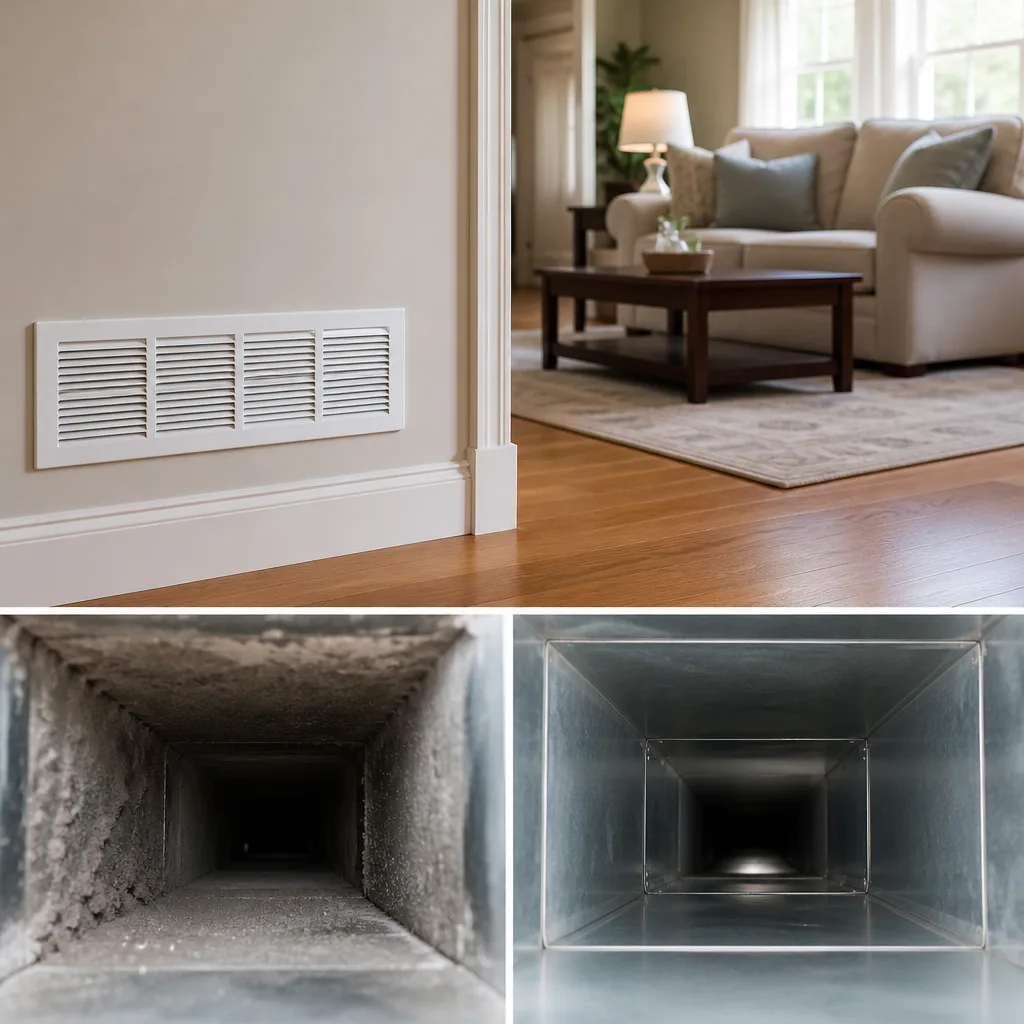 Whole-home duct cleaning
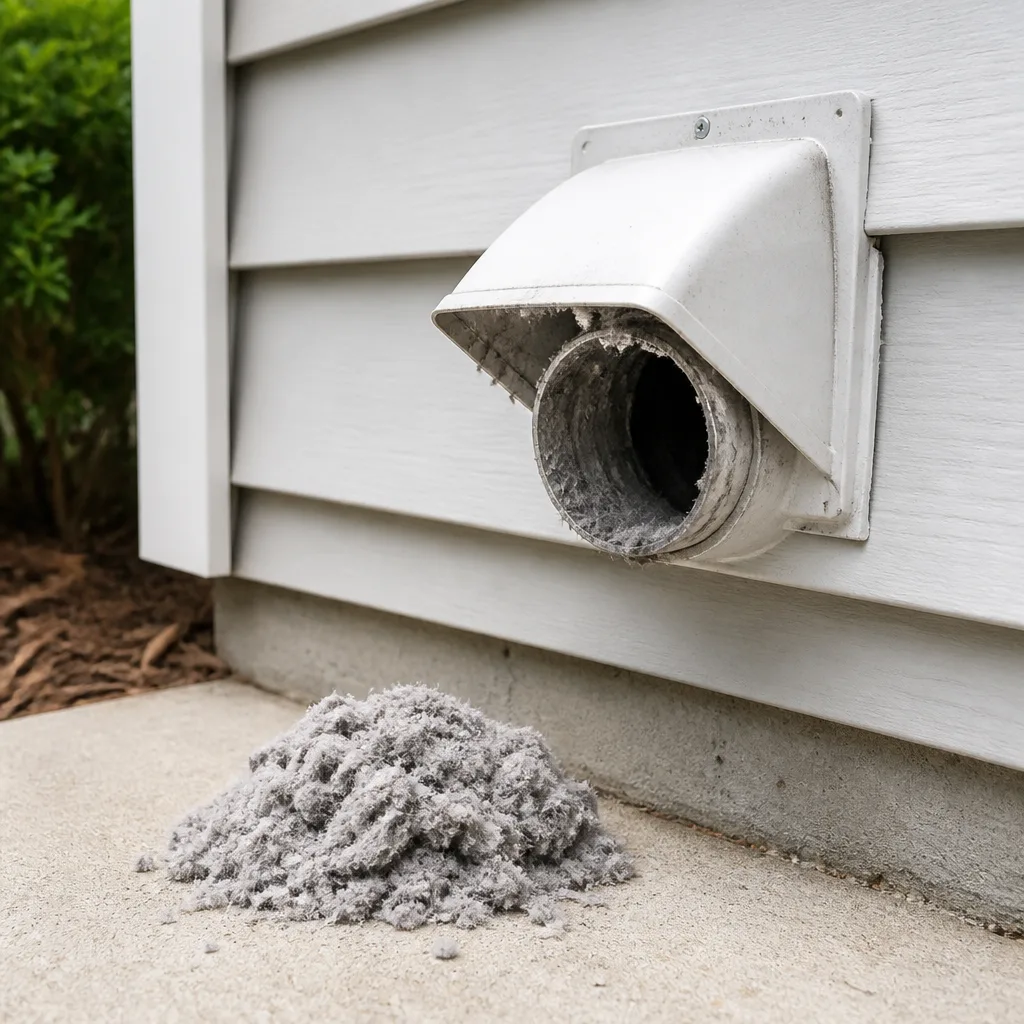 Dryer vent cleaning
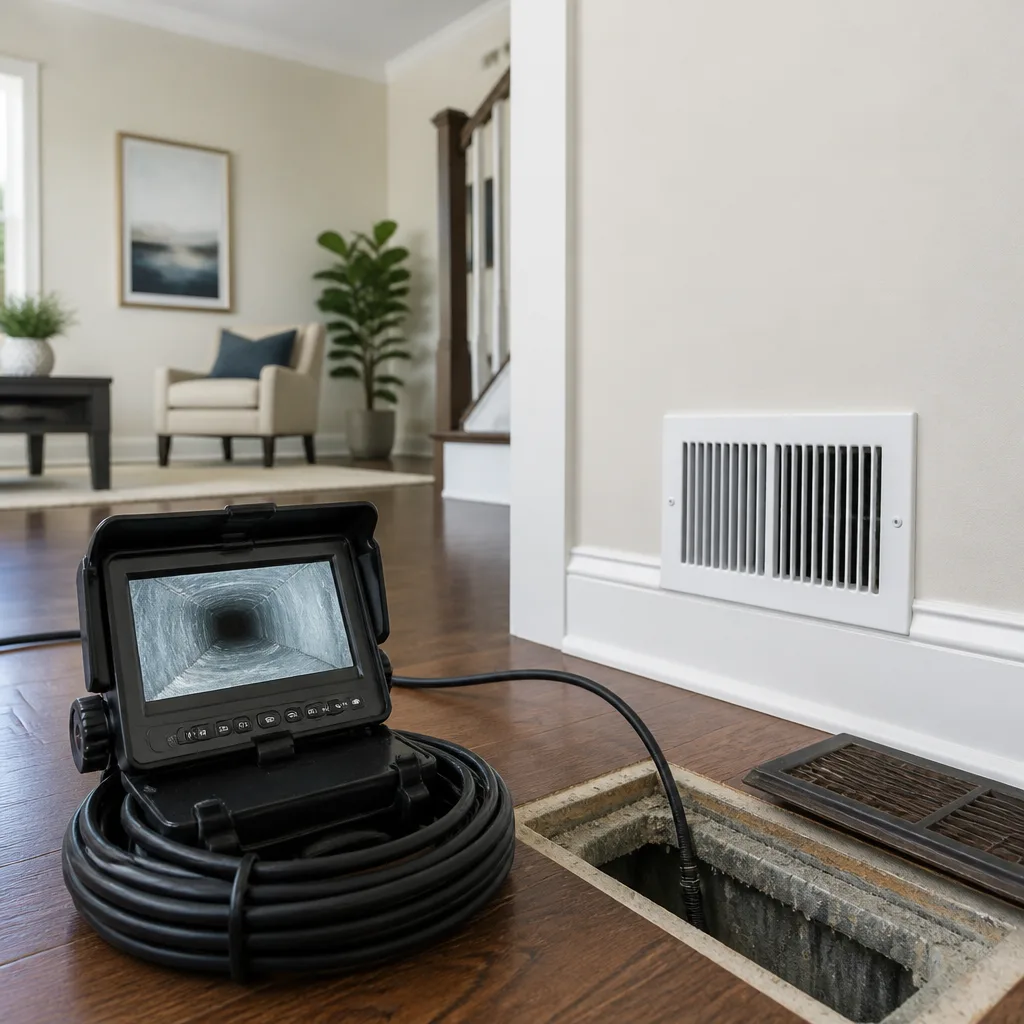 Camera inspection
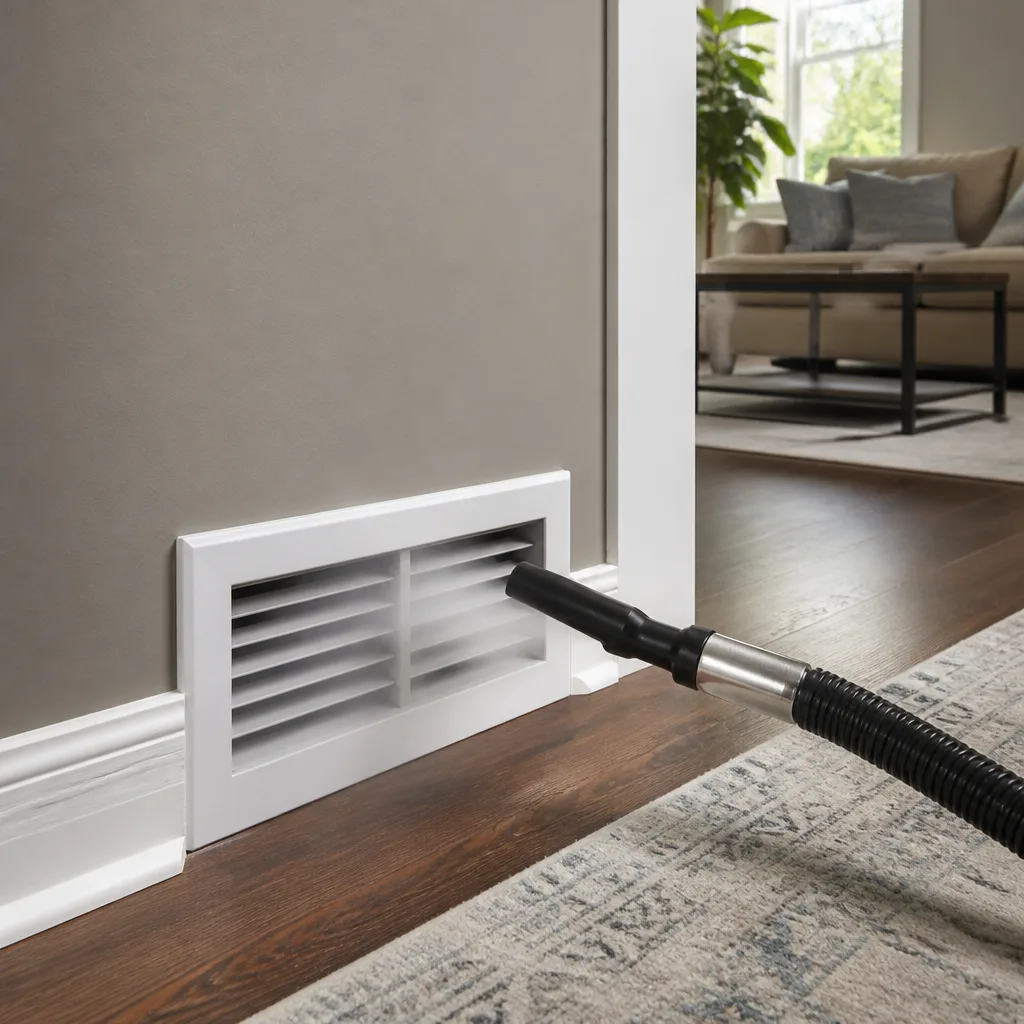 Sanitizing & deodorizing
Whole-system duct and dryer vent check with before-and-after photos - you see exactly what came out of your vents
That "$99 whole-house special" is a bait ad - the real number appears once they are in your hallway, or the "clean" is a shop-vac at the register. We photograph the inside of your ducts before and after instead.
Air Duct Cleaning Maintenance Checklist for Everett Homeowners
The standard advice to clean your ducts every three to five years is a placeholder, not a maintenance plan. It ignores how your system actually runs, what your filters are telling you, and the way western Washington’s wet season works on ductwork tucked into crawlspaces and wall cavities. Most of the real trigger points for duct service in Everett are observable, and almost none of them are tied to the calendar. What follows is a checklist built around what you can see, test, and track in your own home, with clear thresholds for when an observation becomes a reason to call a professional.
Quick Answer
An air duct maintenance checklist for an Everett home should track four things: how your filter loads (and what the pattern shows), the physical condition of flex duct runs after the wet season, how long your HVAC runs to reach setpoint, and what your registers and return grilles look like at the surface. Check filters roughly every 60 to 90 days, inspect accessible duct runs once a year after the rainy season, watch for rising run times as a sign of airflow restriction, and call for a professional scope inspection when you see two or more warning indicators at once.
Styles & brands we work with
- Whole-home duct cleaning
- Dryer vent cleaning
- Camera inspection
- Sanitizing & deodorizing
Table of Contents
- Reading Your Filter as a Contamination Proxy
- Crawlspace and Flex Duct Checks After the Wet Season
- Tracking HVAC Runtime as a Duct Health Indicator
- Register and Return Grille Inspection Protocol
- When to Escalate From Observation to Professional Inspection
- A Seasonal Calendar That Fits Everett’s Climate
- What a Proper Scope Inspection Actually Covers
- Common Mistakes to Avoid
Reading Your Filter as a Contamination Proxy
Your filter is the cheapest diagnostic tool in the house, but only if you read it instead of just replacing it. A filter that loads evenly across its face is doing its job: it’s capturing normal airborne particulate and protecting the blower and coil. A filter that loads in one corner, or turns dark near one edge, is telling you something different. That pattern usually points to a return path problem upstream, where air is short-circuiting past a failed connection or drawing from an unintended space.
In Everett homes, the wet season creates a specific filter pattern worth knowing. When crawlspace duct connections loosen, damp crawlspace air gets pulled into the return, and the filter loads faster than the calendar schedule would predict. If you’re replacing filters every three months and suddenly you’re doing it every six weeks, that’s not a dirtier house. It’s usually a duct integrity question.
What to watch for on filter inspection:
- Even gray loading: normal capture, stick to your routine interval.
- Corner or edge concentration: possible return-side breach or misaligned filter seating.
- Dark, sooty, or oddly colored loading: could indicate air pulling from a non-conditioned space.
- Rapid re-loading: filter clogging in weeks rather than months, suggesting you’re moving more particulate than normal.
- Visible debris on the downstream side: filter bypass, which means the filter isn’t seated and debris is reaching the equipment.
Keep a simple log. Write the date on the filter frame when you install it and note the condition when you pull it. Six months of that log tells you more about your ducts than any single inspection. The replacement filter itself matters too: a well-seated, correctly sized filter from a known brand such as Honeywell or Aprilaire does more for your system than a loose filter that doesn’t seal to its frame.
Crawlspace and Flex Duct Checks After the Wet Season
Everett’s marine climate puts a specific kind of stress on ductwork, and it shows up in crawlspaces and unconditioned spaces before anywhere else. The rainy season means months of elevated moisture and temperature swings. Flex duct in a crawlspace absorbs that, and the consequences are predictable. After the wet season, an annual walk-through of any accessible duct run is one of the highest-value checks a homeowner can do.
Here’s the inspection sequence:
- Look for sag. Flex duct should run taut with gentle, sweeping bends. A run that sags between supports has less cross-section for airflow, and a deep sag also becomes a low point where condensation collects.
- Check for condensation evidence. Water staining, damp insulation jacket, or rust at metal fittings all point to a duct surface dropping below dew point. In Everett, this is common where a duct passes through a cooler crawlspace with inadequate vapor barrier.
- Test joint separation. Where flex connects to a trunk or register boot, gently check for gaps. A loose connection at a single collar can pull in crawlspace air continuously, which is why this check matters more than the amount of visible dust.
- Check the insulation jacket. A torn outer jacket lets moisture into the insulation, which degrades its performance and creates a damp environment inside the duct wall.
- Look for pest entry points. A separated joint or torn jacket is an opening, and crawlspaces in the Pacific Northwest see plenty of activity.
If you find a sagging or separated run, don’t tape it and move on. Foil tape on a flex duct joint that has already pulled apart is a temporary patch that fails the next time the system cycles. This is exactly the kind of structural problem that cleaning alone won’t solve, which is why air duct repair is a separate service from cleaning. If you’d rather have a trained eye on it, our team sees this pattern constantly in Everett crawlspaces.
Tracking HVAC Runtime as a Duct Health Indicator
Your thermostat’s runtime data is the most underused diagnostic a homeowner has. Debris buildup and duct restriction don’t announce themselves with visible signs first. They announce themselves by making your system work harder to move the same air. Before you see dust, before you hear a whistle, your system runs longer.
Start simple. On a mild day, note how long the system runs to move the house from a few degrees below setpoint up to setpoint. Repeat the same measurement after a filter change. Repeat it six weeks later. If you track nothing else, track this once a month for a season.
What the patterns typically mean:
- Runtime creeping up over months: a classic sign of airflow restriction. Debris on the coil, a clogged filter, or a restriction inside a duct all reduce effective airflow and force longer cycles.
- Some rooms not reaching setpoint while others do: airflow is being delivered unevenly, which may point to a collapsed or disconnected run serving that zone.
- Short cycles with poor comfort: can suggest return-side restriction, where the system can’t pull enough air to move the supply air it produces.
- Runtime rising specifically during and after the wet season: in this climate, the correlation with duct moisture or joint separation is worth investigating before you assume the equipment is the problem.
If you use a smart thermostat, most log runtime automatically. Pull the history on a monthly basis and check whether the trend is flat. A rising trend alongside normal filter replacement intervals is exactly the kind of early signal that justifies a professional look. Our air duct cleaning work includes a camera inspection, so we can confirm what’s restricting the run rather than guessing from the thermostat.
Register and Return Grille Inspection Protocol
A register grille is a screen, and whatever is deposited on it has traveled from upstream. That makes each one a small window into the duct interior, and the pattern on the surface tells you the type of contamination, not just how much. Do this inspection with a flashlight, wipe, and a few minutes per room.
What surface discoloration patterns reveal:
- Fine, uniform gray film: typical household particulate, expected between cleanings.
- Dark, greasy buildup: cooking aerosol or smoke deposits, which means air is recirculating with oil-bound particles. These stick to duct walls rather than passing through.
- Streaking from one side of the grille: airflow is biased in one direction, suggesting a bent or partially collapsed supply run behind the register.
- Rust or water staining at the grille: moisture is reaching the register face. In Everett, that usually tracks back to condensation on a duct surface or a leak at the wye above the register.
- Visible debris at the return grilles: the return side is drawing more than particulate. Returns are the first place to check when a professional investigates contamination source.
Compare grilles across the house. If one bedroom register is noticeably darker than the others on the same floor, the problem is likely in that branch of the duct system rather than the whole house. Knowing which grille looks worse changes the scope of the inspection, and it’s exactly the observation that helps a technician pinpoint trouble before they arrive.
When to Escalate From Observation to Professional Inspection
Most of the checklist above is homeowner work. The judgment call is when observation stops being enough. Vague advice like “call if concerned” isn’t useful, so here are specific thresholds. Treat any single threshold as a reason to book an inspection. Treat two or more as a priority.
Escalation thresholds:
- Filters are loading in less than eight weeks on a routine you previously stretched to three months, with no other change in the home.
- Runtime to setpoint has increased noticeably over multiple months despite fresh filters and a clean return grille.
- Two or more registers show streaking, rust, or evidence of airflow bias.
- Any accessible flex duct run is sagging more than a shallow curve, or has a joint you can clearly see separated.
- You can smell or sense crawlspace air in the conditioned living space, or a room feels humid without obvious cause.
- Persistent comfort imbalance, where one zone chronically can’t reach setpoint regardless of thermostat changes.
- Recent water intrusion near a duct run, from a plumbing leak, roof issue, or crawlspace flooding.
- Renovation or construction dust introduced into the system after drywall, flooring, or framing work.
When you pass one of these thresholds, you’re past what cleaning alone can answer. You need a scope inspection that can see into the duct interior, verify the condition of runs, and identify whether the problem is contamination, structure, or both. That’s the difference between a routine Duct Cleaning Everett job and a proper diagnosis.
A Seasonal Calendar That Fits Everett’s Climate
A calendar-based checklist fails when it ignores the local weather. Everett’s year has two real duct seasons: the wet months, when moisture and temperature swings stress the system, and the dry summer, when the system runs on cooling and the heating season is comfortably behind it. Build the checklist around those rhythms rather than a generic quarterly reminder.
A practical annual cycle:
- Late fall, before the heating season peaks: full filter inspection and log review, register wipe-down, return grille check, and a look at any accessible crawlspace duct runs.
- Mid-winter, once or twice: filter change based on the log, quick check of runtime against the previous months, and a visual check for condensation at register faces.
- Spring, after the wet season: the key inspection. Crawlspace walk-through with the light on sags, joints, jacket condition, and water staining. This is the check that catches wet-season damage before it becomes a summer problem.
- Summer: runtime tracking as the cooling system carries the load, and a return grille check while you’re near each vent. This is also a sensible time for a professional scope inspection if you’ve logged any of the escalation thresholds over the year.
Homeowners who move through a full cycle once a year end up with a genuinely useful log. The log is what changes the conversation from “my ducts are probably dirty” to “here are the specific indicators I’ve tracked.” That’s the kind of request a professional can act on and verify.
What a Proper Scope Inspection Actually Covers
Camera inspection is what makes this work verifiable. Without it, cleaning is an assertion: you’re told the ducts are clean. With it, cleaning is a fact: you can see the before and after inside the run. On a proper scope inspection, a technician should be able to show you the inside of the duct before work starts, show you the source of any contamination, and confirm the result afterward. At our shop we rely on Rotobrush systems that combine mechanical brushing with real-time camera work, so cleaning can be visually verified rather than taken on faith.
Containment matters just as much. Dislodged debris has to go somewhere, and the wrong somewhere is back into your living space. Professional negative-pressure equipment, like the Nikro HEPA-rated vacuums we run, holds the duct under vacuum while the brush work happens so loosened debris is trapped rather than recirculated. For homes with heavier contamination, or after water intrusion or renovation, we also carry Abatement Technologies equipment that’s capable of handling contamination-level air quality situations beyond routine dust removal.
What the inspection should tell you at the end:
- Which duct runs had the most debris, and what it consisted of.
- Whether any duct connections were loose, sagging, collapsed, or compromised.
- Whether the return side was pulling air from a non-conditioned space.
- Whether any repair is needed before cleaning, or after.
- Whether filtration upgrades make sense for your system, and what they’d change.
The last point is where a full-scope provider earns its place. Because we work with multiple filtration brands, including Aprilaire and Guardsman, we can recommend an upgrade based on what your system actually needs, rather than what’s on hand. Most cleaning-only crews walk away from a failed duct connection; we repair what others walk past.
Common Mistakes to Avoid
- Treating the three-to-five-year rule as gospel. Calendar-based cleaning ignores what your own filter and runtime data say, and in a wet climate, that can leave a damaged duct unaddressed for years.
- Ignoring crawlspace duct runs entirely. Everett homes with crawlspaces have ductwork sitting in the most moisture-exposed space in the house. If you check only the registers inside, you’ll miss the sags, separations, and jacket tears that do the most harm.
- Taping a separated flex duct joint as a “fix.” Foil tape on a failed collar doesn’t restore the connection, and it hides the problem from the next inspector. Structural repair is the answer, not a patch.
- Choosing the crew with the lowest advertised number. A quote built on a low teaser price often turns into a far larger invoice once the van is on the drive. Ask any provider for one flat price per system, agreed before work starts, no per-vent pricing.
- Cleaning without confirming the work. If a provider can’t show you a camera walk-through before and after, you have no way to know what was actually done. Camera-verified clean is the standard.
- Skipping the dryer vent while doing duct maintenance. Your dryer vent cleaning is a safety service, not an upsell. Lint accumulation in the vent run is a fire hazard, and it’s easy to check on the same visit as a duct inspection.
- Replacing filters faster instead of investigating why. If your filter interval is shrinking, the answer isn’t a more aggressive filter schedule. It’s finding out what’s loading the filter faster than it should.
When to Call a Professional
Call a professional when you cross one of the escalation thresholds above: filters loading unusually fast, runtime climbing without explanation, multiple registers showing streaking or rust, visible duct damage in the crawlspace, or persistent comfort imbalance you can’t solve at the thermostat. Call sooner if you’ve had water intrusion near a duct run. A camera-verified inspection will tell you whether the answer is cleaning, repair, or filtration, and it will show you the reasoning rather than asking you to take it on faith. Duct Cleaning Everett offers free estimates in Everett – call (833) 991-7936. We answer 24/7. Fast dispatch from 7am to 7pm, Sunday through Friday.
See the difference
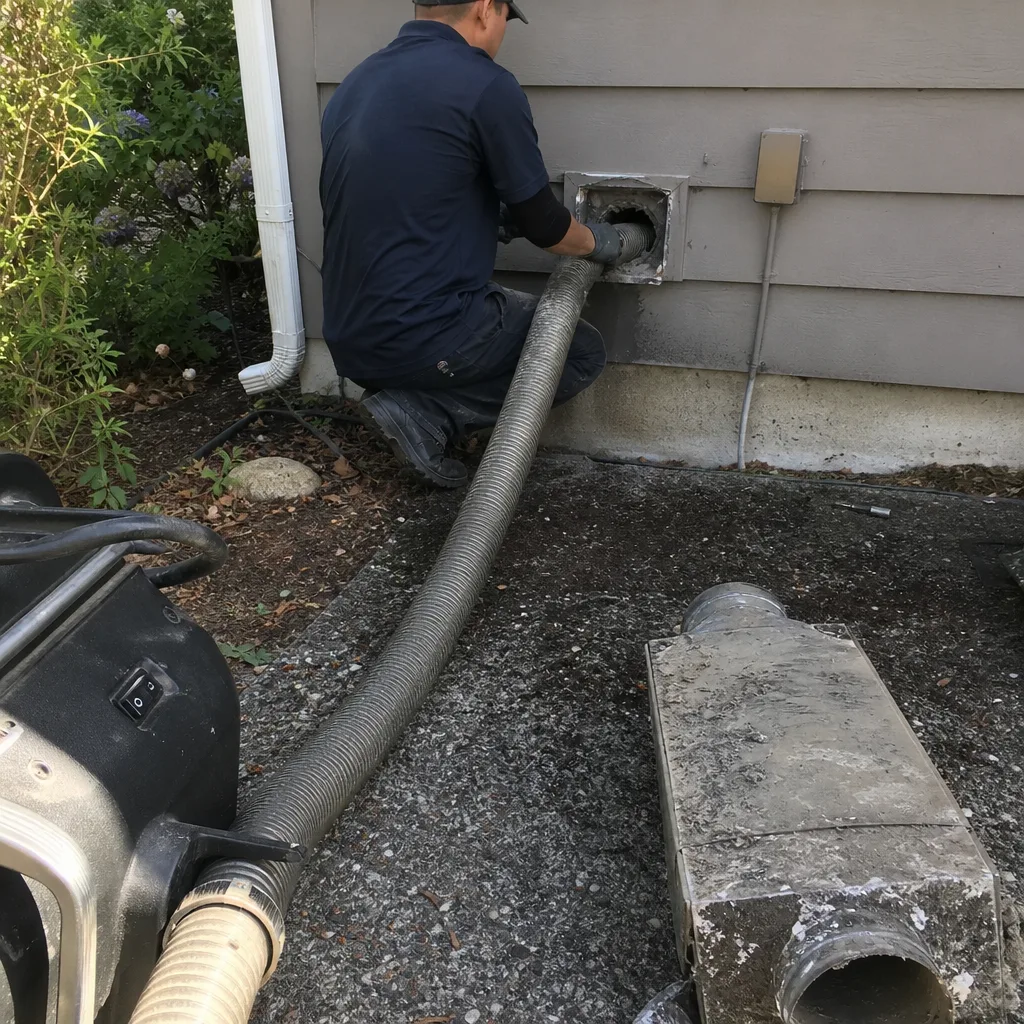 Before
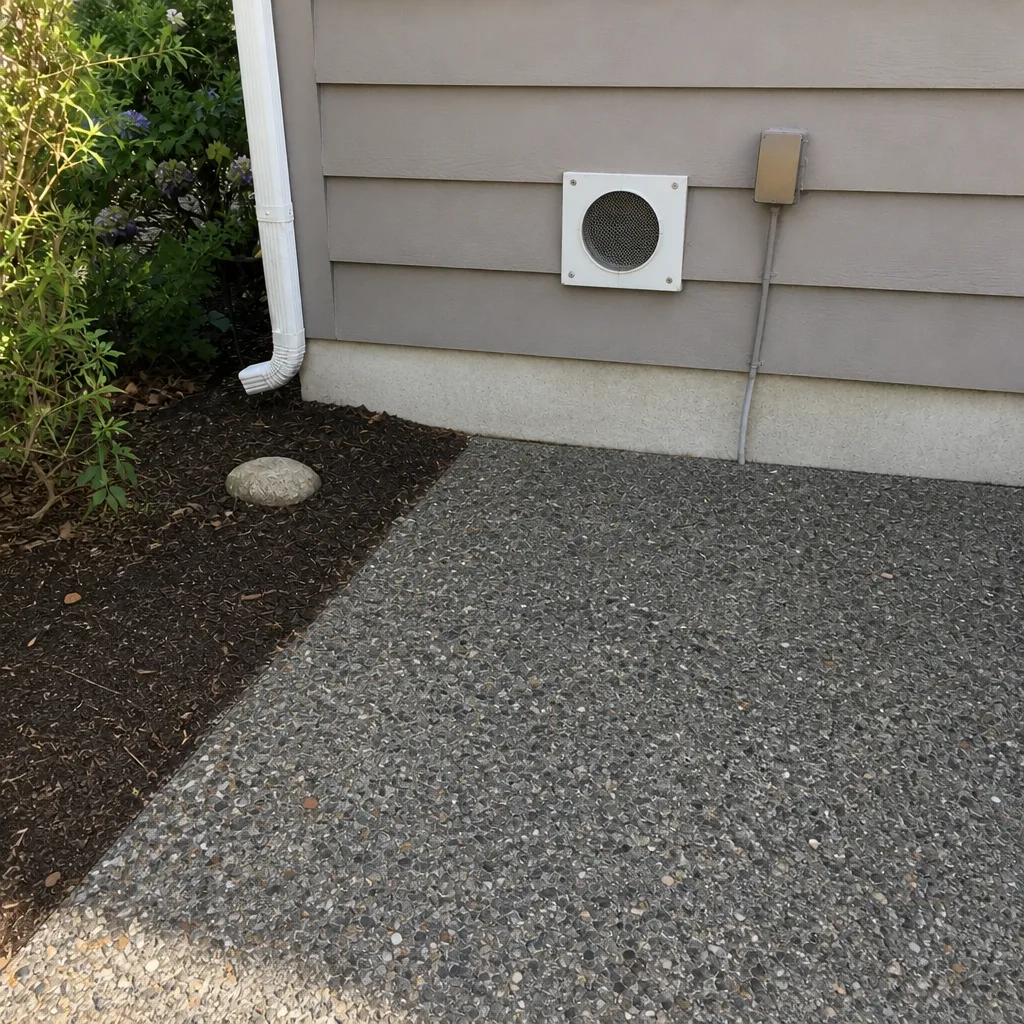 After
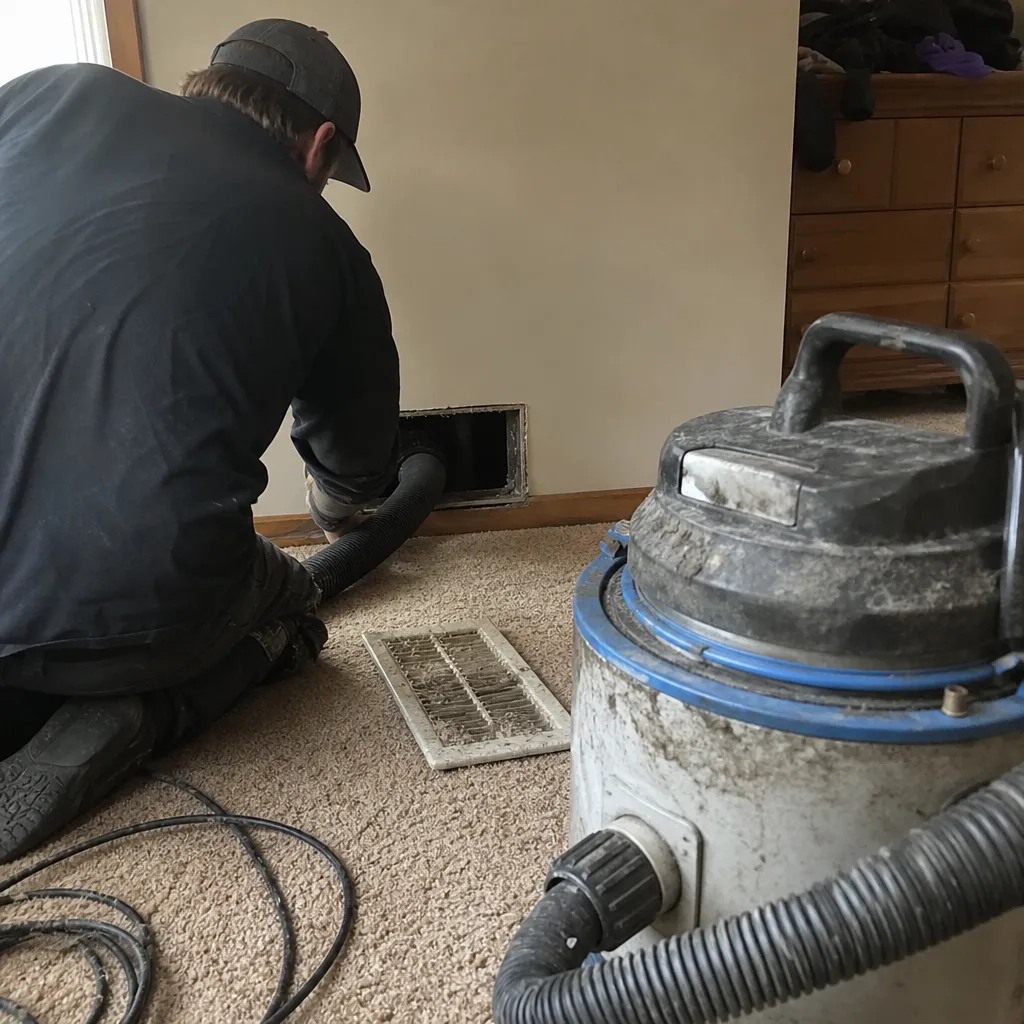 Before
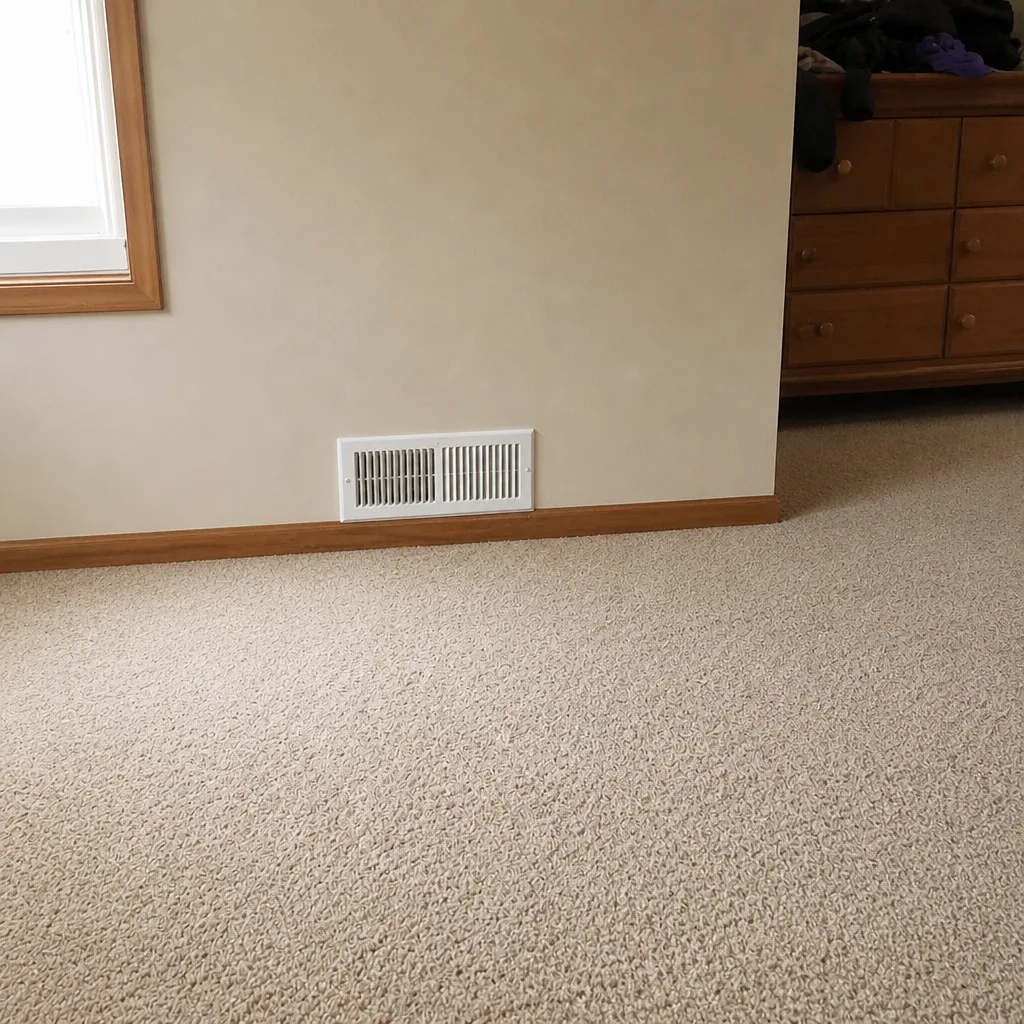 After
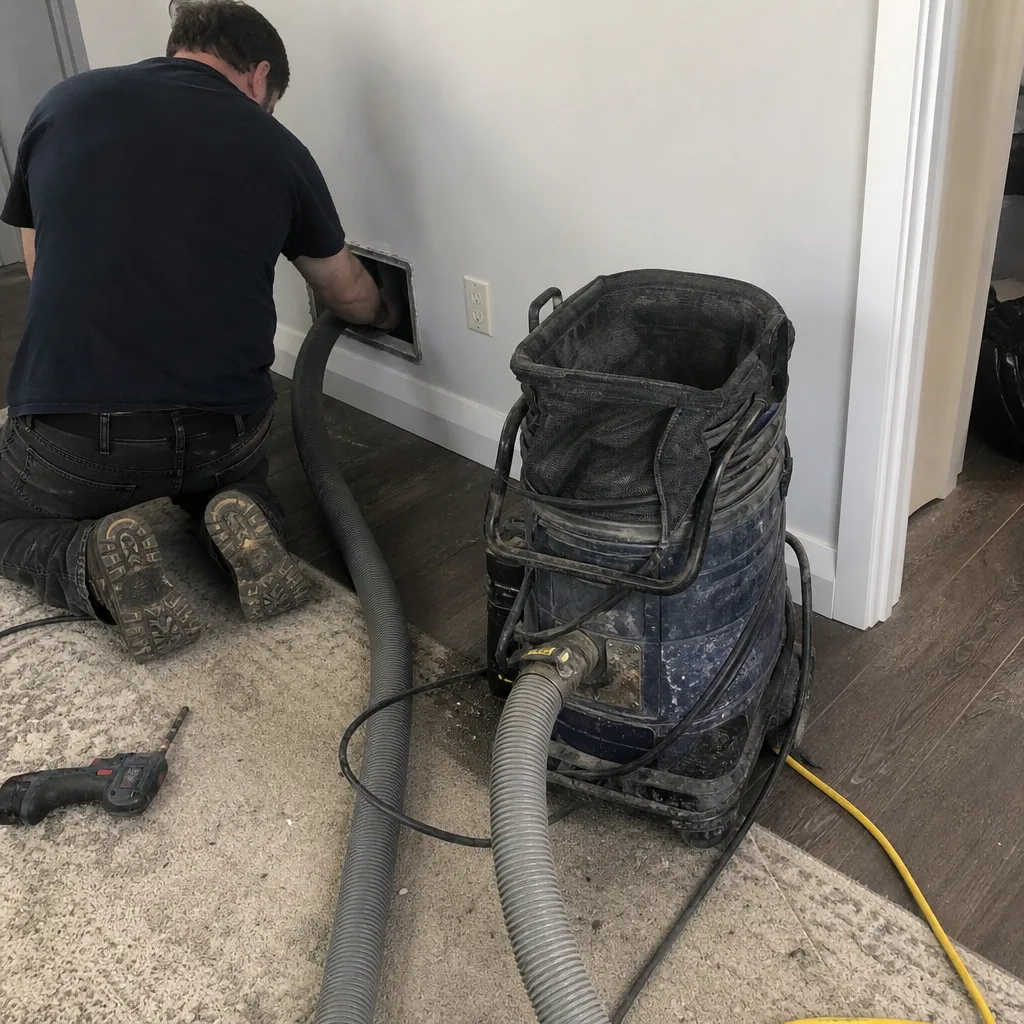 Before
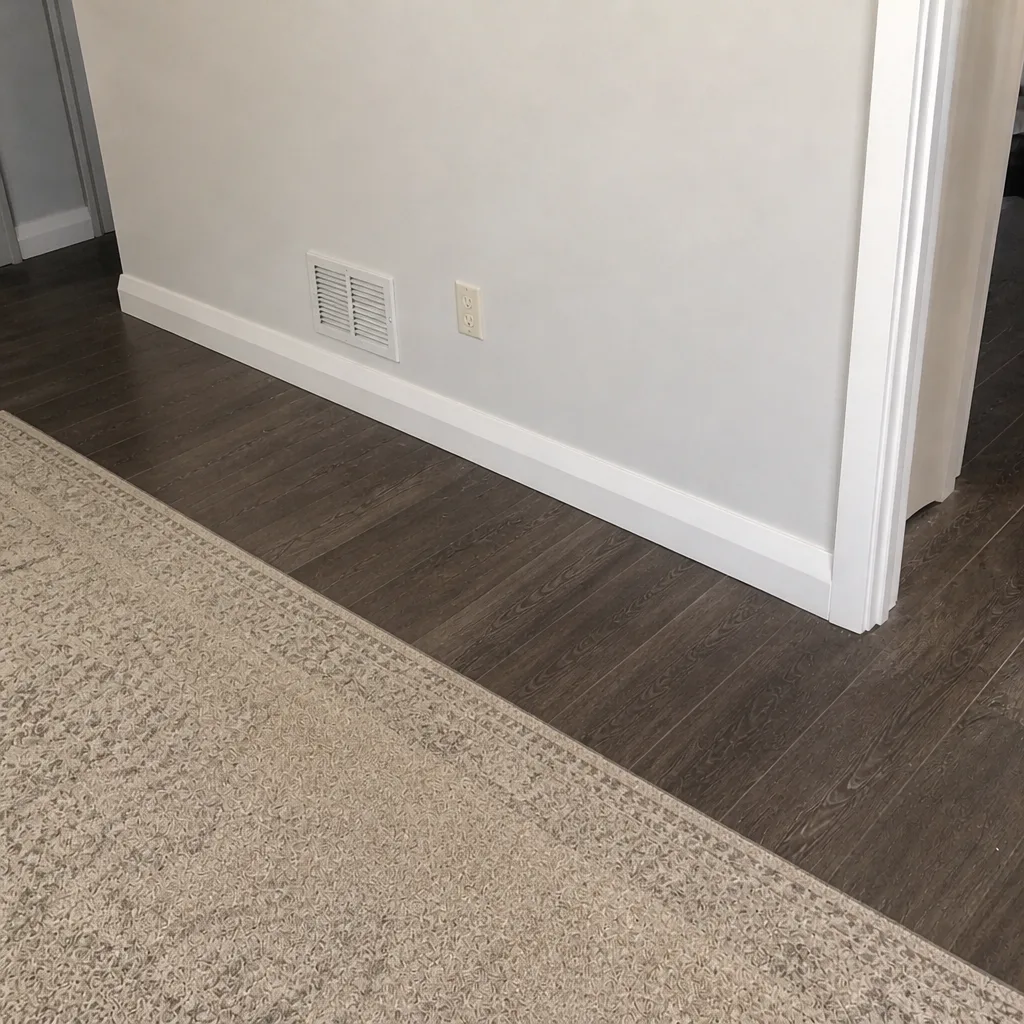 After
Frequently Asked Questions
There’s no fixed answer, and a three-to-five-year rule doesn’t reflect what your system is telling you. For most Everett homes, annual filter and runtime tracking is the right baseline, with a professional scope inspection when the indicators add up. If you’ve had water intrusion or renovation dust, or your crawlspace runs show sags or separations, inspect sooner.
The first sign is usually a change in filter loading pattern or interval, often combined with a rising HVAC runtime. Visible dust on registers comes later. In Everett homes, a wet-season jump in filter replacements is one of the earliest and most underappreciated signals.
No. Cleaning removes contamination, but it doesn’t restore a failed connection or a collapsed run. Duct repair is a separate scope, and it’s the reason we offer repair as a core service alongside cleaning. If a run is structurally compromised, repair should come before or alongside cleaning.
Because the wet season stresses ductwork in crawlspaces and unconditioned spaces in ways dry climates don’t. Moisture, temperature swings, and months of elevated humidity turn small joint separations into real problems. An inspection after the wet season catches issues before summer load arrives.
It’s worth asking what the quote actually covers. A low advertised number is often per-vent pricing that grows once the work begins, and it usually excludes camera verification. Insist on one flat price per system, agreed before work starts, with before-and-after photos of your own ducts.
At minimum, a camera for verification and professional negative-pressure HEPA equipment for containment. Rotobrush brushing systems and Nikro HEPA vacuums are the equipment class we run, and they’re the reason the work can be verified rather than assumed. If a crew shows up with consumer-grade equipment, the results won’t be comparable.
Frequently Asked Questions (Continued)
You can do most of the observation work yourself: filter reading, runtime tracking, register inspection, and a crawlspace walk-through. What you can’t do is see inside the duct. Camera inspection requires equipment that most homeowners don’t have, and the interior condition is what determines the right next step.
Brand matters less than fit and seal. A properly sized filter that seats in its frame does more than a premium filter that sits loose. Once sealed filtration is stable, an upgrade from a brand like Aprilaire or Honeywell can make a real difference for a home with heavy particulate loads.
A musty smell usually points to moisture on a duct surface, which often tracks back to condensation in a crawlspace run or a wet insulation jacket. Cleaning won’t solve it if the moisture source remains. Get the connection checked along with the cleaning.
Camera verification: a walk-through of the duct interior before and after. Ask for it in advance, not after the work starts. A provider who relies on Rotobrush equipment can show you and has nothing to lose by showing you.
The Bottom Line
Treat your duct system as something to watch, not something to schedule. The checklist boils down to four habits: read your filter, walk the crawlspace after the wet season, track runtime on your thermostat, and know your registers. Each one is cheap, doable on your own, and tells you something a calendar reminder can’t. When you cross two or more escalation thresholds, call a professional whose work you can verify on camera and whose equipment holds up under containment. The clean ducts are the goal, but the log you keep to get there is what makes the maintenance plan real for an Everett home.
If it’s time for a professional eye on your system, call Duct Cleaning Everett at (833) 991-7936 for a free estimate. We handle air duct cleaning, dryer vent cleaning, and air duct repair under one roof, and every job is verified on camera.
Written by the team at Duct Cleaning Everett, serving Everett.