
Last updated November 14, 2026
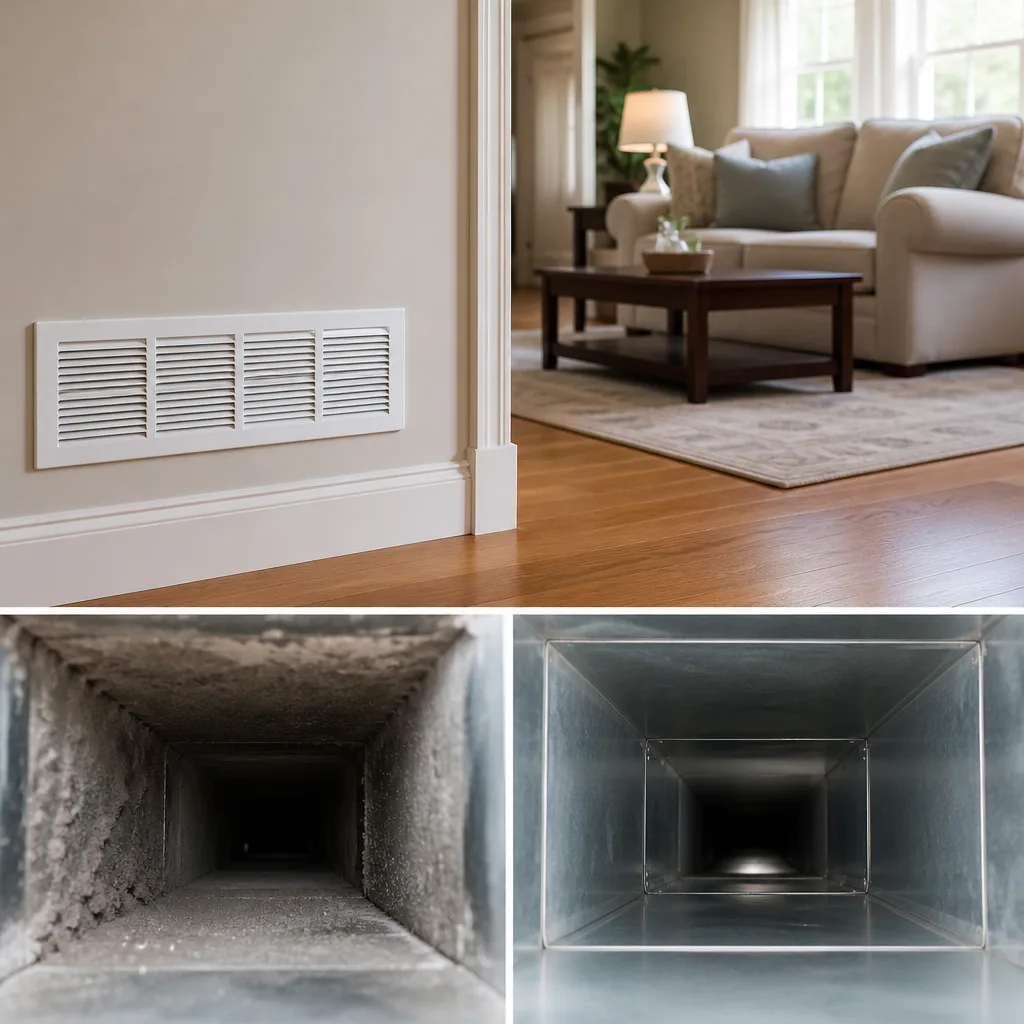 Whole-home duct cleaning
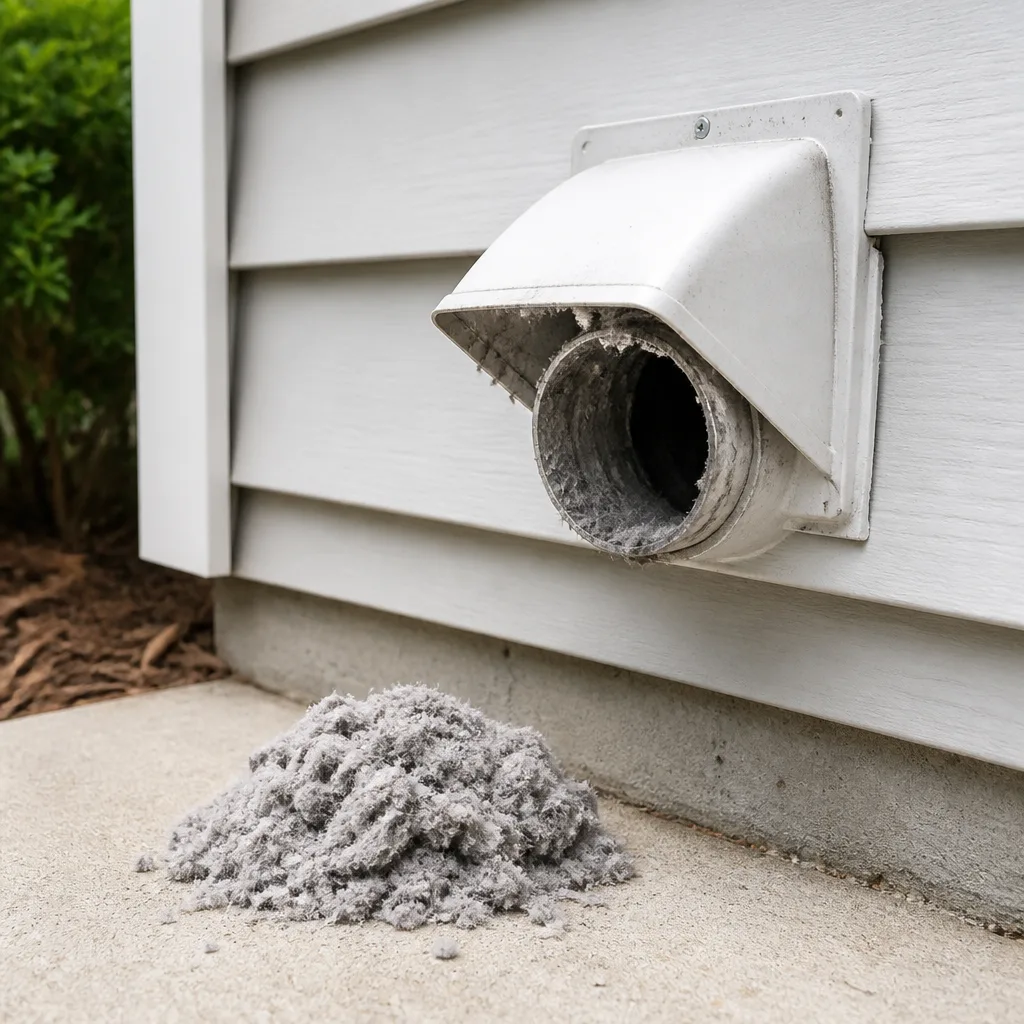 Dryer vent cleaning
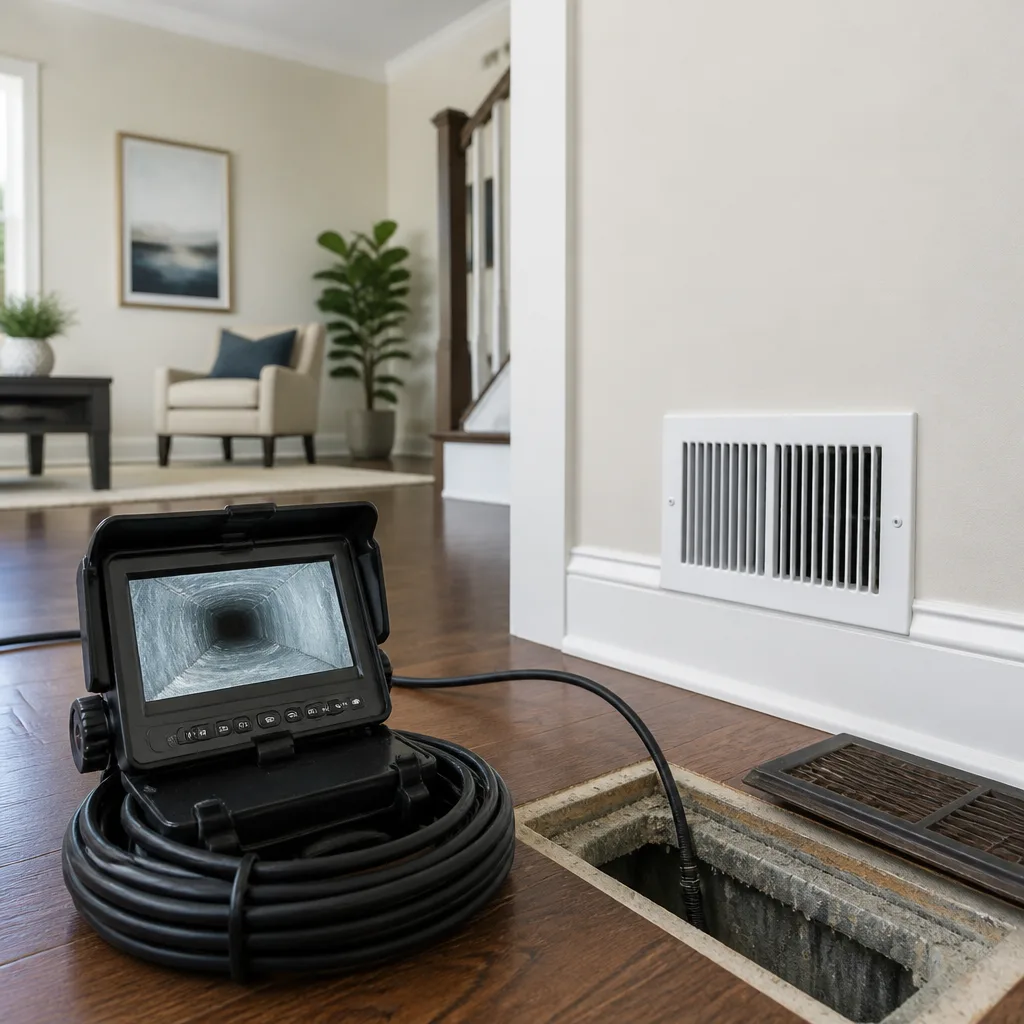 Camera inspection
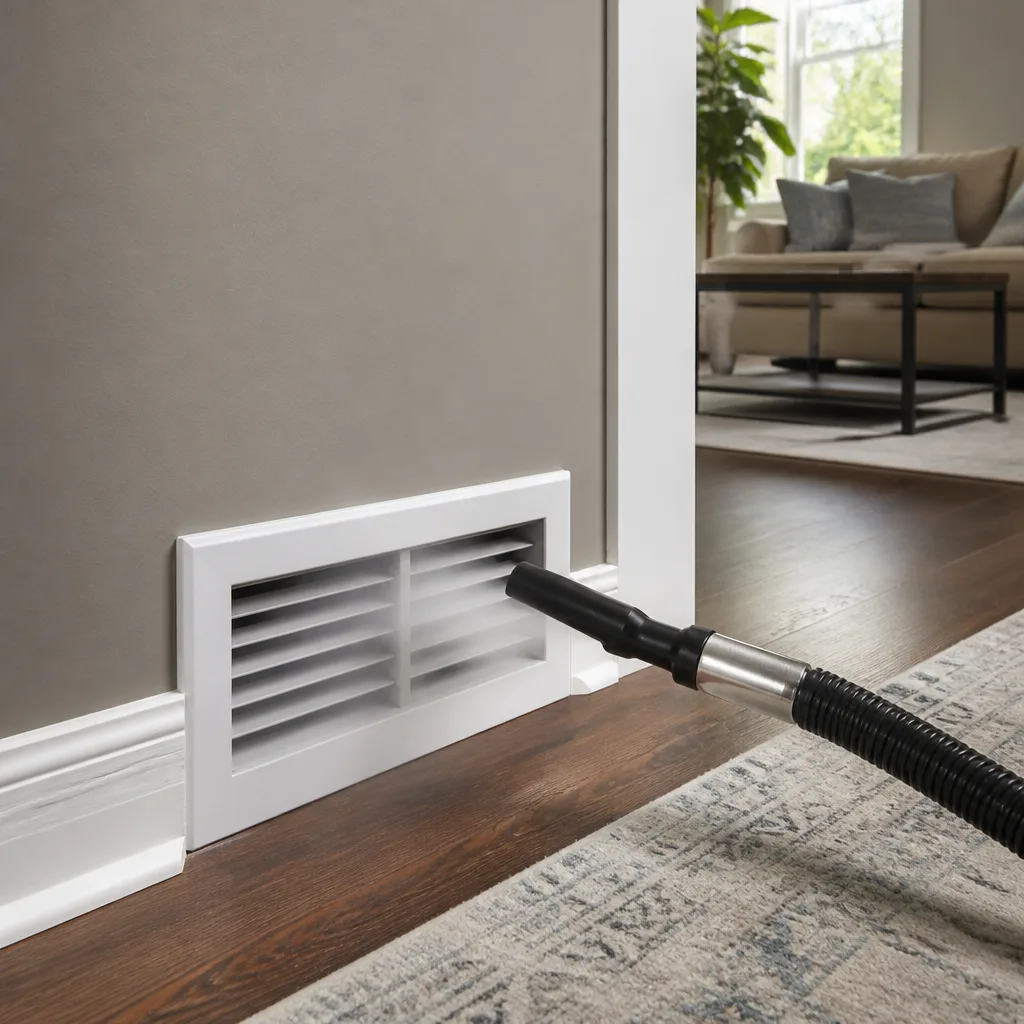 Sanitizing & deodorizing
Whole-system duct and dryer vent check with before-and-after photos - you see exactly what came out of your vents
That "$99 whole-house special" is a bait ad - the real number appears once they are in your hallway, or the "clean" is a shop-vac at the register. We photograph the inside of your ducts before and after instead.
Choosing the Right Air Duct Cleaning Brand: A Buyer’s Guide for Everett
Here’s a point that surprises most homeowners: the name tells you far less than the equipment inside it. National duct cleaning franchises run on the same equipment variability as independent operators. A franchise agreement typically specifies training protocols for local operators, but it does not set a minimum equipment specification for the machine that actually parks in your driveway. Two “authorized” franchisees in the same city can show up with wildly different gear. So the real question isn’t which brand to hire. It’s which equipment class and which scope of service you’re paying for. This guide walks through how to tell those apart in the Everett market, so you can evaluate any contractor on verifiable standards instead of logos and slogans.
Quick Answer
The right air duct cleaning brand is the one whose equipment you can name and whose scope you can verify. In the Everett market, that means asking three questions before you book: what vacuum system comes to the house, is the cleaning camera-verified, and can the contractor repair a breach if they find one. A company that answers all three with specifics is a better bet than one that answers with a logo and a price.
Styles & brands we work with
- Whole-home duct cleaning
- Dryer vent cleaning
- Camera inspection
- Sanitizing & deodorizing
Table of Contents
- Why a Brand Name Doesn’t Standardize Equipment
- The Three Operational Tiers in Everett’s Duct Cleaning Market
- What “Full-Service” Actually Means for Duct Work
- Questions That Reveal the Equipment Class
- How to Read Reviews for Equipment Signals
- How Everett’s Climate and Housing Shape the Job
- Building a Contractor Relationship Instead of One-Time Service
- What a Proper Job Costs and Why Cheap Quotes Go Wrong
Why a Brand Name Doesn’t Standardize Equipment
Franchise systems exist to standardize how a business is run: how calls are answered, how technicians are trained, how a job is documented. They generally don’t standardize the capital equipment sitting in the back of the truck. That’s a local purchasing decision, and it’s made by whoever owns that franchise territory. So a household in Everett calling a familiar national name might get a crew with a commercial-grade negative-pressure vacuum, or it might get a portable unit with a fraction of the containment. The phone number is the same. The outcome isn’t.
This matters more in duct work than in most trades because the equipment defines what the job can actually accomplish. A cleaning that dislodges debris but doesn’t contain it can pull dust back through the supply registers and into the living space. That’s not a matter of brand prestige. It’s a matter of pressure and filtration.
When you evaluate any operator, whether a franchise or an independent, shift the conversation to the equipment and the process. Ask what vacuum system they use by name. Ask whether they carry a camera. A contractor who answers those questions confidently and specifically is telling you something a logo never could. In our experience, the contractors worth hiring are the ones who want to talk about the machine, not the marketing.
The Three Operational Tiers in Everett’s Duct Cleaning Market
Broadly speaking, the operators working in this region fall into three tiers. Knowing which tier you’re hiring tells you more than any review score. Here’s how to identify each one.
- Portable-unit crews. These operators run truck-mounted shop vacuums or portable units with modest containment. They may rely on brushing alone, without camera verification. The price tends to be the lowest you’ll see. For light surface dust in a small, newer home, a portable unit can do something useful, but it struggles to contain what it dislodges in a larger system.
- Trailer-mounted mid-tier operators. These crews bring more suction power and better filtration than a portable setup, and they’ll typically run negative pressure while they clean. This is a real step up. The limitation is often scope: many are cleaning-only, meaning they’ll document a breach or collapsed section but can’t repair it.
- Commercial-grade negative-pressure contractors. This is the top tier: systems built for remediation-level contamination, with true negative pressure, HEPA-rated filtration, and camera inspection as part of the standard process. These contractors typically also carry duct repair capability. The invoice is higher, and the work is genuinely more complete.
Most Everett homeowners can’t tell which tier showed up until the equipment is on the ground. The fix is to ask before you book. If a contractor can’t tell you what class of vacuum they operate, that’s your answer.
What “Full-Service” Actually Means for Duct Work
The phrase “full-service” gets used loosely. For duct work it should mean one specific thing: the contractor can identify a problem and then fix it, not just document it. That distinction is where most cleaning-only operators fall short. They can show you a cracked joint or a separated section on camera and hand you a report. They can’t resolve it, so you’re now hiring a second company to do the repair. You pay for two visits to solve one problem.
Full-scope duct service covers two distinct jobs. The first is contaminant removal: getting dust, debris, and buildup out of the system and containing it as it goes. The second is structural repair: finding the breaches, failed connections, and collapsed sections that let unconditioned air leak into the system and undermine everything downstream. Cleaning alone doesn’t fix a leak, and a repair without cleaning just seals dirt into place. A contractor who handles both closes the loop in one job.
When you interview a company, ask whether they carry duct repair materials and do that work themselves. If the answer is “we’ll refer you,” you’re hiring a cleaning crew, not a full-scope contractor. Duct Cleaning Everett offers air duct cleaning and duct repair under one roof precisely because those two jobs belong together, and skipping the repair step wastes much of what the cleaning accomplished.
Questions That Reveal the Equipment Class
You don’t need to become a duct technician to evaluate a contractor. You need four well-chosen questions. Ask these before you book, and listen for specifics rather than generalities.
- “What vacuum system do you use, by name?” A credible contractor names it. The better setups use HEPA-rated negative-pressure equipment of the kind built for remediation work, such as Nikro or Abatement Technologies systems. If the answer is “a really powerful shop vac,” you’re talking to a portable-unit crew.
- “Do you use a camera to inspect and verify the cleaning?” Camera-verified cleaning, using something like a Rotobrush system, lets you see before-and-after footage of your own ducts. A contractor who reviews that footage with you is showing you the work, not asking you to trust it.
- “Will you run negative pressure while you clean?” Proper containment means debris gets pulled out and trapped, not pushed into living spaces. A contractor who explains their negative-pressure setup knows the difference.
- “If you find a breach, can you repair it?” This is the scope question. A cleaning-only operator will tell you they’ll note it. A full-scope contractor will tell you they can fix it.
Notice that none of these ask about brands. A contractor’s equipment class and repair capability tell you far more about the outcome than any affiliation, and the answers here are hard to fake in person.
How to Read Reviews for Equipment Signals
Reviews are useful, but not in the way most people read them. Star averages blend customer service, price, punctuality, and actual work quality into a single blurry number. What matters is the language inside the reviews. A few words reveal more than forty stars.
Look for reviewers who mention the equipment or the process directly: “they showed us camera footage,” “they used a HEPA vacuum,” “they ran a big negative-pressure unit.” That’s an equipment signal. Now look for reviews that focus on friendliness or a low price. Those are valid, but they tell you about the customer experience, not the cleanup. A company can score high on charm while running a portable unit.
Then read the negative reviews for substance. The most useful critical feedback mentions something concrete: a complaint that the ducts were still dusty weeks later, or that a documented leak was never repaired. Those are equipment and scope failures, and they point to the tier of operator. A negative review about a scheduling mix-up is a customer service issue, not a quality one. Sort them accordingly.
In the Everett market, also watch for reviews that span multiple years of a customer’s history with one contractor. Repeat customers who describe consistent results tend to reflect a company with a stable process, which is worth more than a high average from one-time visits.
How Everett’s Climate and Housing Shape the Job
Everett sits in a cool, damp climate with a long heating season, and that shapes what duct systems here actually look like. Homes run their heat for many months, so the same air cycles through the ductwork far more often than it would in a warmer region. That repeated cycling compounds dust and debris buildup, and it makes the containment side of cleaning more important. A cleaning that dislodges years of buildup had better be trapping it.
The older housing stock in parts of Everett matters too. In many neighborhoods, homes have been retrofitted with ductwork over the decades, and those systems carry the signatures of that history: flex duct that’s sagged or detached, joints that were connected informally, sections laid in crawlspaces where access and inspection are genuinely difficult. It’s common to find breaches in a system that ran for years without anyone looking, because the leak was out of sight. This is exactly why camera inspection and repair capability go together. You can’t fix a leak that nobody looked for, and you can’t clean a system properly when part of it is leaking.
For anyone evaluating contractors in the neighborhoods, whether they’re near the waterfront or in the historic inland blocks, ask specifically how they handle inspection access in crawls and tight runs. A contractor who’s worked in older Everett homes will have an answer ready. Our own work on dryer vent cleaning in the same housing stock reinforces the point: older homes here tend to have vent runs that need real inspection, not a quick pass.
Building a Contractor Relationship Instead of One-Time Service
Most people treat duct cleaning as a one-time purchase, the way you’d call a locksmith. A better approach is to think of it as a relationship with a contractor who keeps a record of your system. Why does that matter in Everett? Because a home’s ductwork changes over time. A contractor who documented your system on the first visit knows where the weak joints were, what the camera footage showed, and what was repaired. The next time they’re out, they know exactly where to look first. That’s a real advantage over a fresh crew learning your system from scratch.
A system record also helps you spot changes. If a repair was made two years ago, a follow-up visit confirms it held. If a duct configuration was unusual, that’s on file. This is the difference between maintenance and amnesia, and for the climate here, with a long heating season, the maintenance approach keeps the system honest.
Ask any contractor whether they keep records and can recall a previous visit. A full-scope operator with a stable process will. A rotating crew of portables won’t, because there’s no one to remember it. That’s one more way the equipment-class and scope questions pay off: the same contractor who owns serious equipment tends to be the one who can be your long-term resource.
What a Proper Job Costs and Why Cheap Quotes Go Wrong
Duct cleaning in Everett is priced per system, by written estimate, because systems vary so widely. A single-story home with straightforward runs is a very different job from a larger home on a crawlspace with multiple systems and a history of leaks. That variance is why honest pricing is delivered as an estimate after an assessment, not as a coupon price before anyone has seen the house.
The pricing trap most homeowners hit is the teaser quote: an unrealistically low figure that grows once the crew is on site and finds “additional work needed.” The way around it is simple. Ask for one flat price per system, agreed before work starts, with no per-vent pricing and no surprise line items. That flat-price structure is the honest version, and it’s what we use. Here’s a rough outline of what a proper job involves:
- Assessment and camera inspection. The contractor reviews the system, inspects the interior with a camera, and notes breaches or leaks.
- One flat price, in writing, before work starts. The price covers the system, not a per-vent count.
- Cleaning with negative-pressure containment. Debris is trapped, not recirculated into your home.
- Before-and-after footage. You review the camera footage of your own ducts, so the result is verified, not assumed.
- Repair of any breaches found. A full-scope contractor fixes the leaks rather than documenting them.
When a quote is dramatically cheaper than the others, the gap is almost always in equipment and scope. Portable units cost less to run than commercial-grade negative-pressure systems, and cleaning-only crews skip the repair step. You’re not comparing two prices for the same job. You’re comparing two different jobs.
Common Mistakes to Avoid
- Hiring on price alone. A low quote usually means portable equipment and cleaning-only scope. You’ll often pay more later to get the job done right.
- Accepting a brand name as proof of quality. Franchise affiliation doesn’t set the equipment specification. Ask what’s actually coming to the house.
- Skipping the repair question. If the contractor can’t repair a breach, you’ll end up hiring a second company for the fix.
- Skipping the camera. Cleaning without camera inspection means you never see the result. Before-and-after footage is the verification step that matters.
- Ignoring the containment setup. A cleaning that dislodges debris without trapping it can push dust back into living spaces. Ask about negative pressure.
- Reading only the star average. Look for equipment language in reviews and read the concrete complaints, not just the tone.
- Treating it as a one-time job. Rebooking the same contractor builds a system record, so the next visit starts with knowledge instead of guesswork.
See the difference
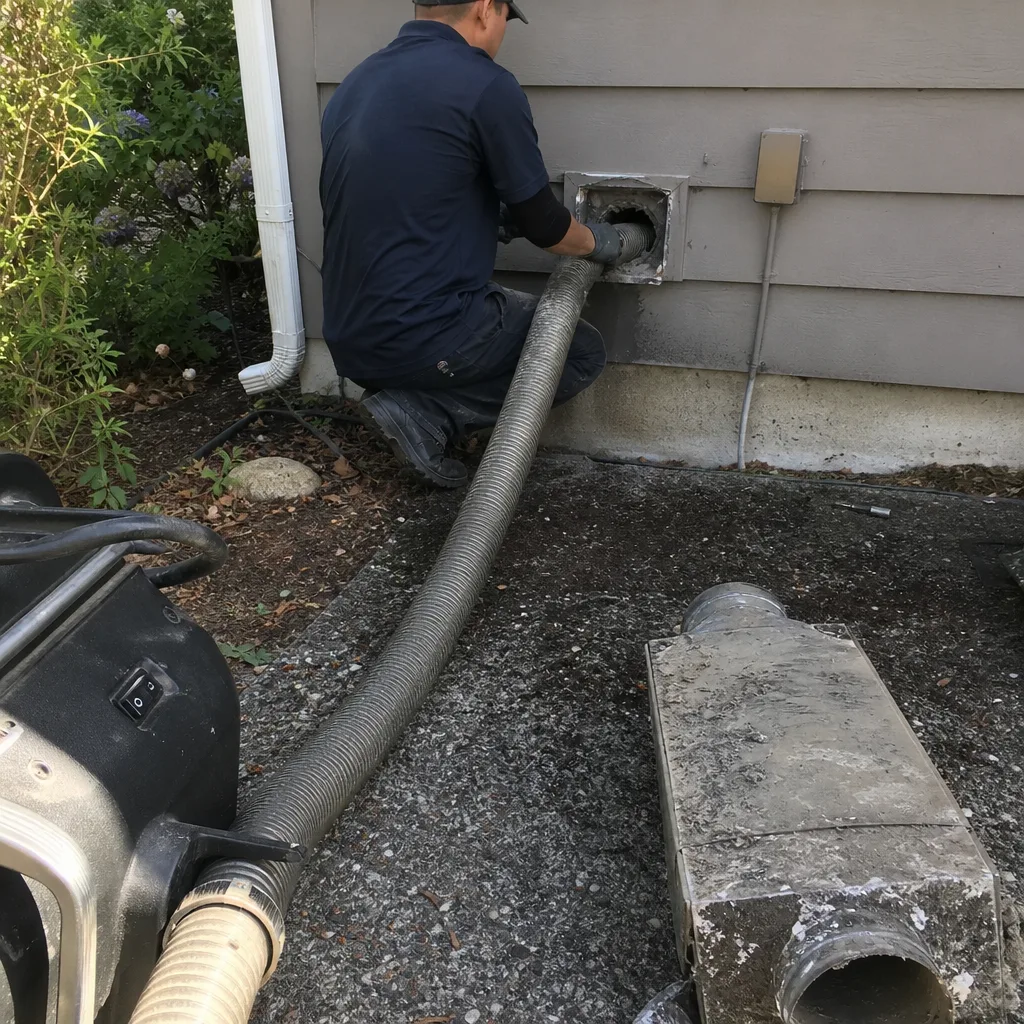 Before
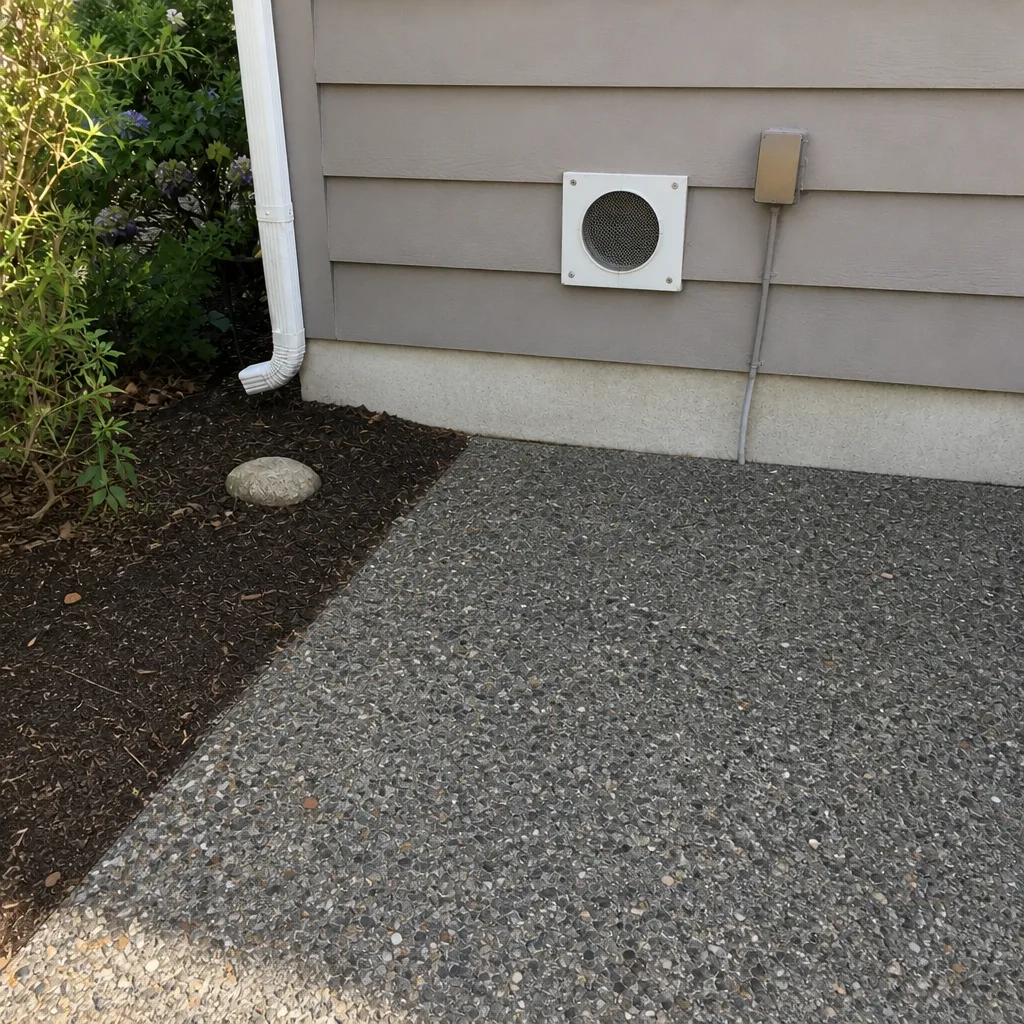 After
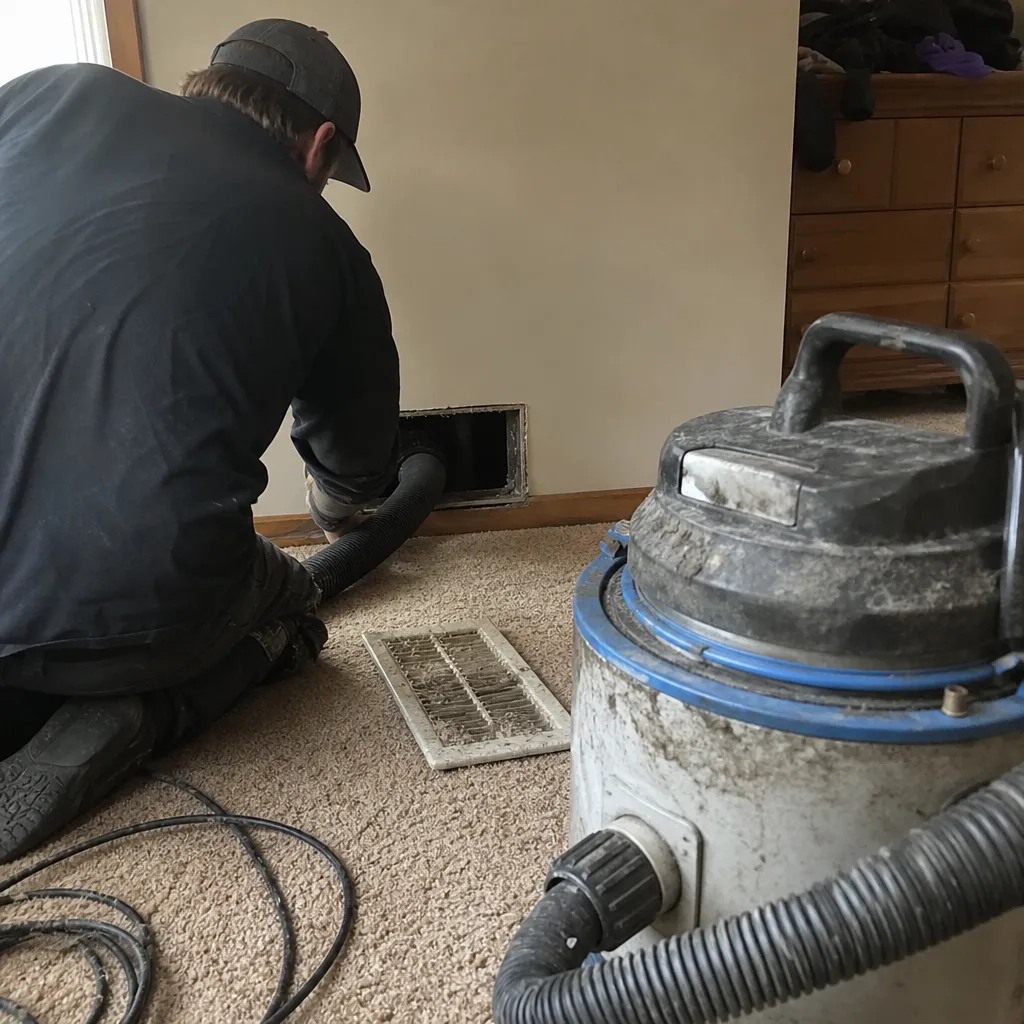 Before
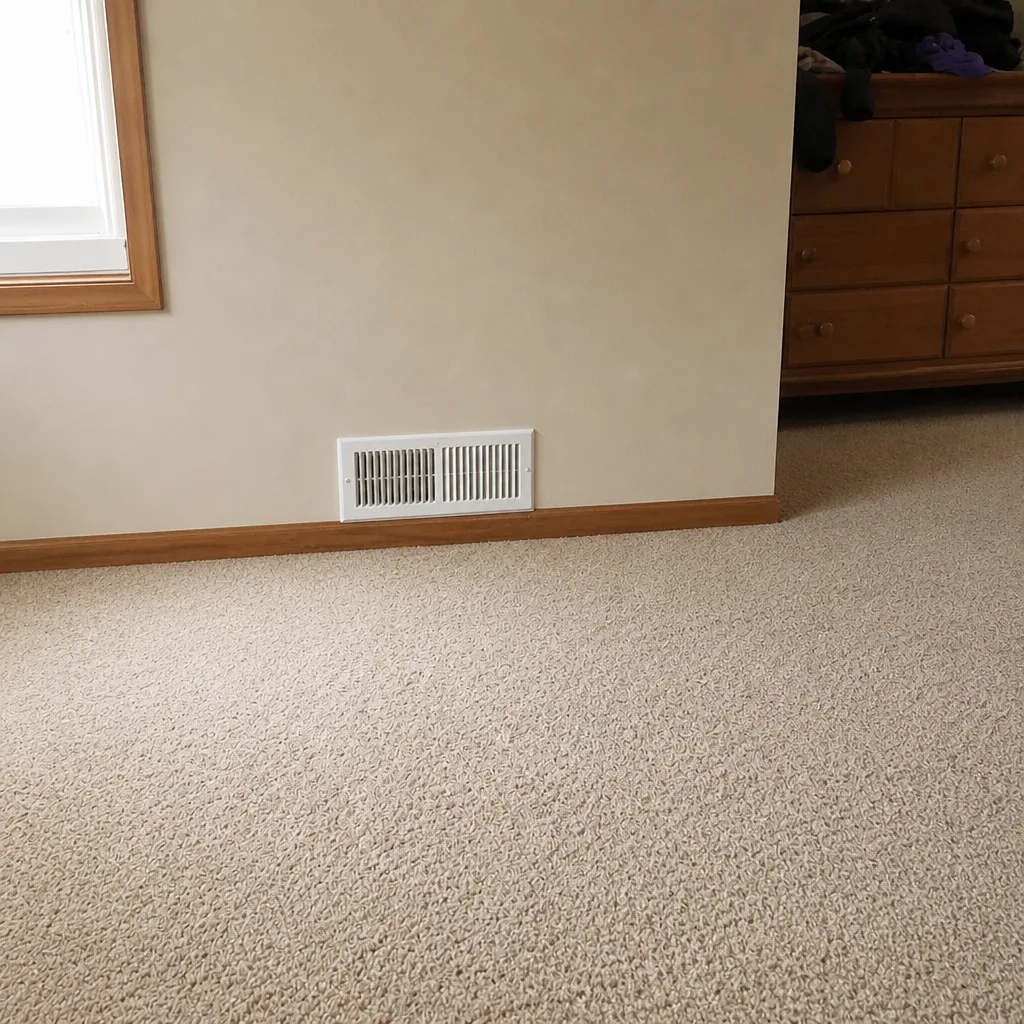 After
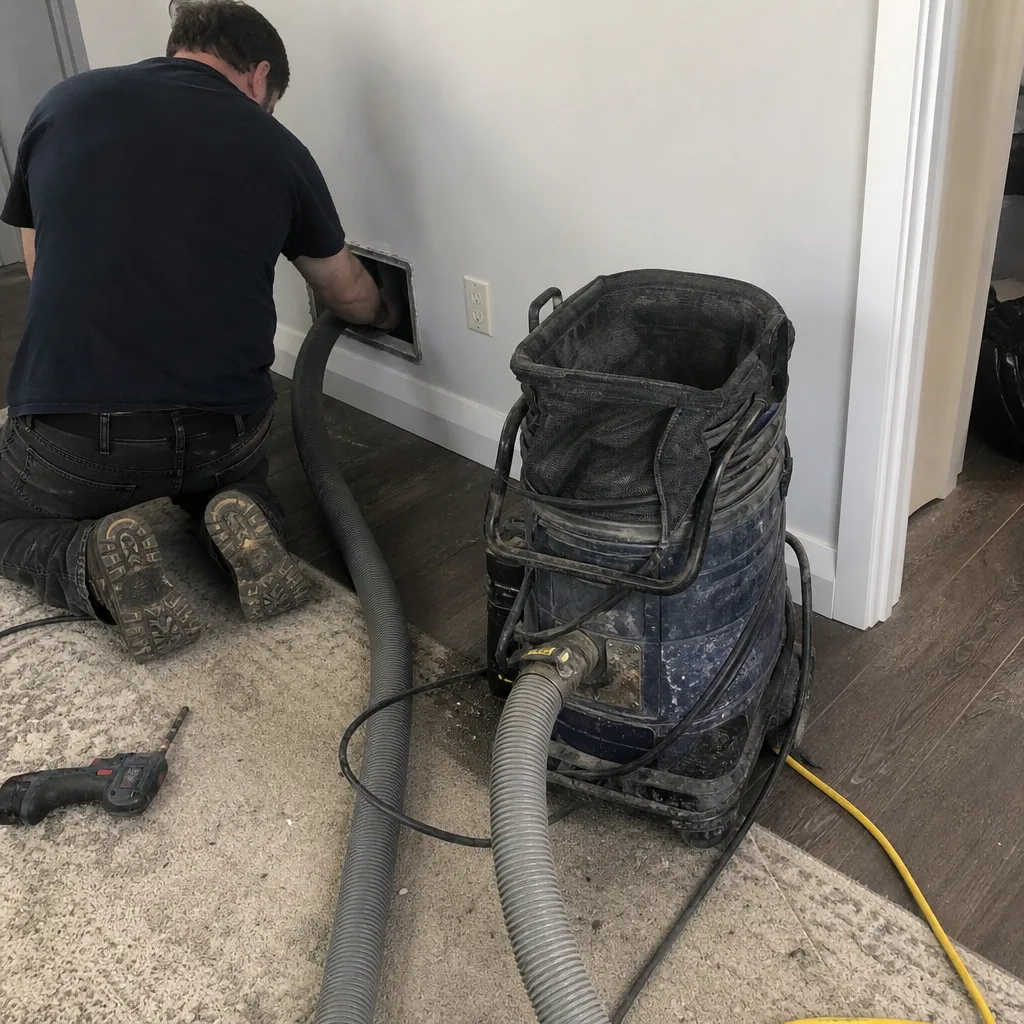 Before
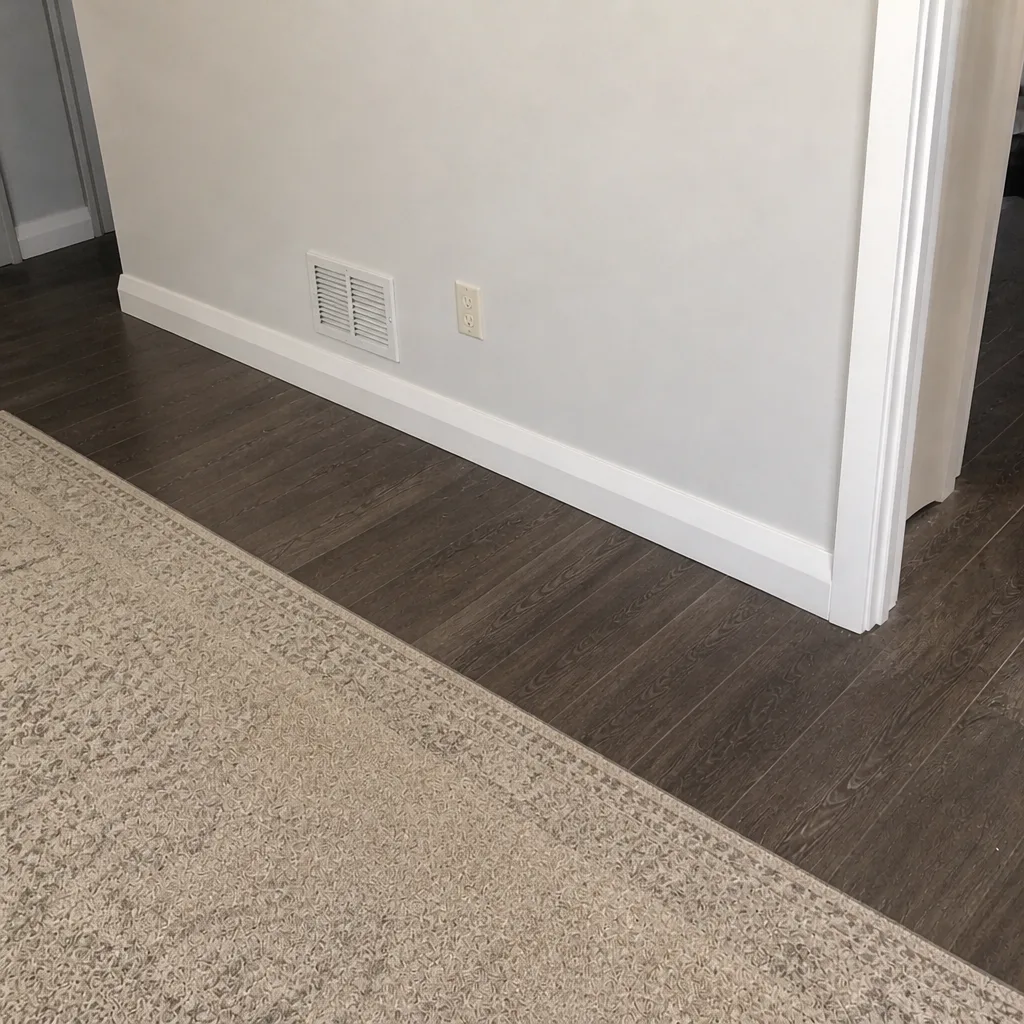 After
When to Call a Professional
Some symptoms are clear signals that a professional assessment is overdue. Call if you notice visible dust blowing from the supply registers when the heat kicks on, if anyone in the house has reactions that seem to track with the HVAC running, or if you’ve never had the ducts cleaned and you don’t know the home’s service history. Call if a contractor’s camera inspection previously found a breach that was never repaired, or if your home has flex duct and crawlspace runs that haven’t been inspected in years. Call if your dryer is taking noticeably longer than before, since that points to a blocked dryer vent. Duct Cleaning Everett offers free estimates in Everett, so you can get a clear assessment before deciding. Call (833) 991-7936. We answer 24/7. Fast dispatch from 7am to 7pm, Sunday through Friday.
Frequently Asked Questions
It depends on the number of systems, the configuration, the access, and whether any repair is needed, which is why we give a flat per-system price by written estimate after assessing the home, rather than a teaser figure. What matters is that the price is agreed before work starts and covers the whole system. Call (833) 991-7936 for an exact quote. Estimates are free.
Cheap quotes usually reflect portable equipment and cleaning-only scope. A portable unit costs less to run than a commercial-grade negative-pressure system, and a company that doesn’t carry repair materials skips a step. When a price is far below the others, you’re usually comparing a different job, not a better deal. Call (833) 991-7936 to talk through what a full-scope job includes.
Ask for camera-verified cleaning and before-and-after footage of your own ducts. A contractor running a Rotobrush system can show you the interior before and after, so you see the result rather than taking it on trust. HEPA-rated negative-pressure equipment of the kind used in remediation work, like Nikro systems, keeps the debris contained during the process. Call (833) 991-7936 to schedule a free estimate.
Professional-grade negative-pressure vacuum equipment rather than a shop vac, plus a camera inspection system. The better operators also carry duct repair materials and can fix a breach they find. Some carry equipment rated for more serious contamination, such as Abatement Technologies systems, which extends capability beyond routine dust. Call (833) 991-7936 to ask what we bring to your home.
There’s no single interval that fits every home. It depends on the system, how long it’s been heating, the age of the house, and whether any leaks were ever repaired. In Everett’s long heating season, homes cycle a lot of air through the ductwork, so inspect before assuming. A camera inspection tells you whether cleaning is actually needed. Call (833) 991-7936 for a free estimate.
Only if they perform duct repair as a service. Many cleaning-only operators will document a breach but can’t resolve it, which leaves you with a report and a second contractor to hire. A full-scope contractor carries repair materials and fixes the breach, and can add Filtrete-style filtration upgrades from Honeywell or Aprilaire to improve the system once it’s sealed. Call (833) 991-7936 to discuss your options.
The Bottom Line
The right way to choose an air duct cleaning brand in Everett isn’t to pick a logo. It’s to pick an equipment class and a scope of service. Ask what vacuum system comes to the house, whether cleaning is camera-verified, and whether the contractor can repair a breach they find. Ask for one flat per-system price in writing before work starts, and ask for before-and-after footage. A contractor who answers all of that specifically, rather than in slogans, is the one worth hiring. That’s the standard we’ve built our work around. Call (833) 991-7936 for a free estimate.
Written by the team at Duct Cleaning Everett, serving Everett