
Last updated November 14, 2026
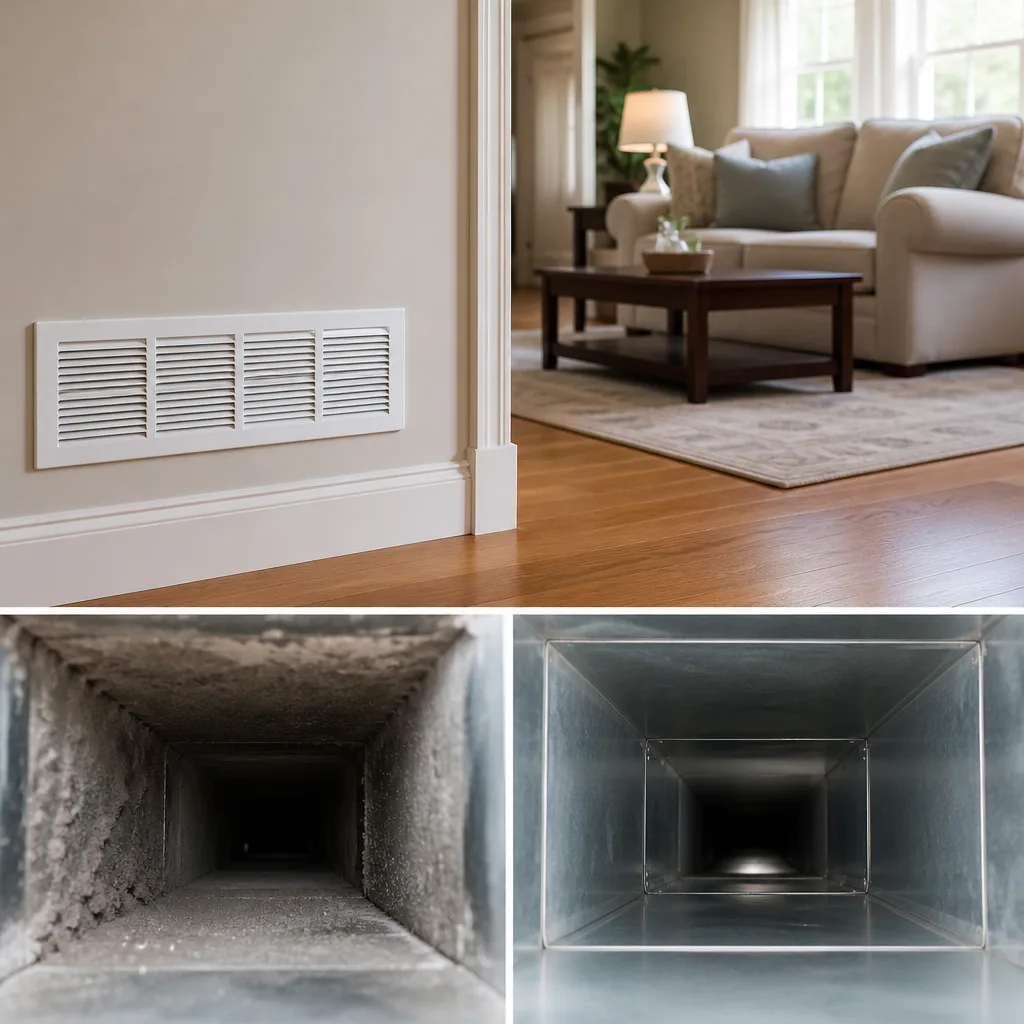 Whole-home duct cleaning
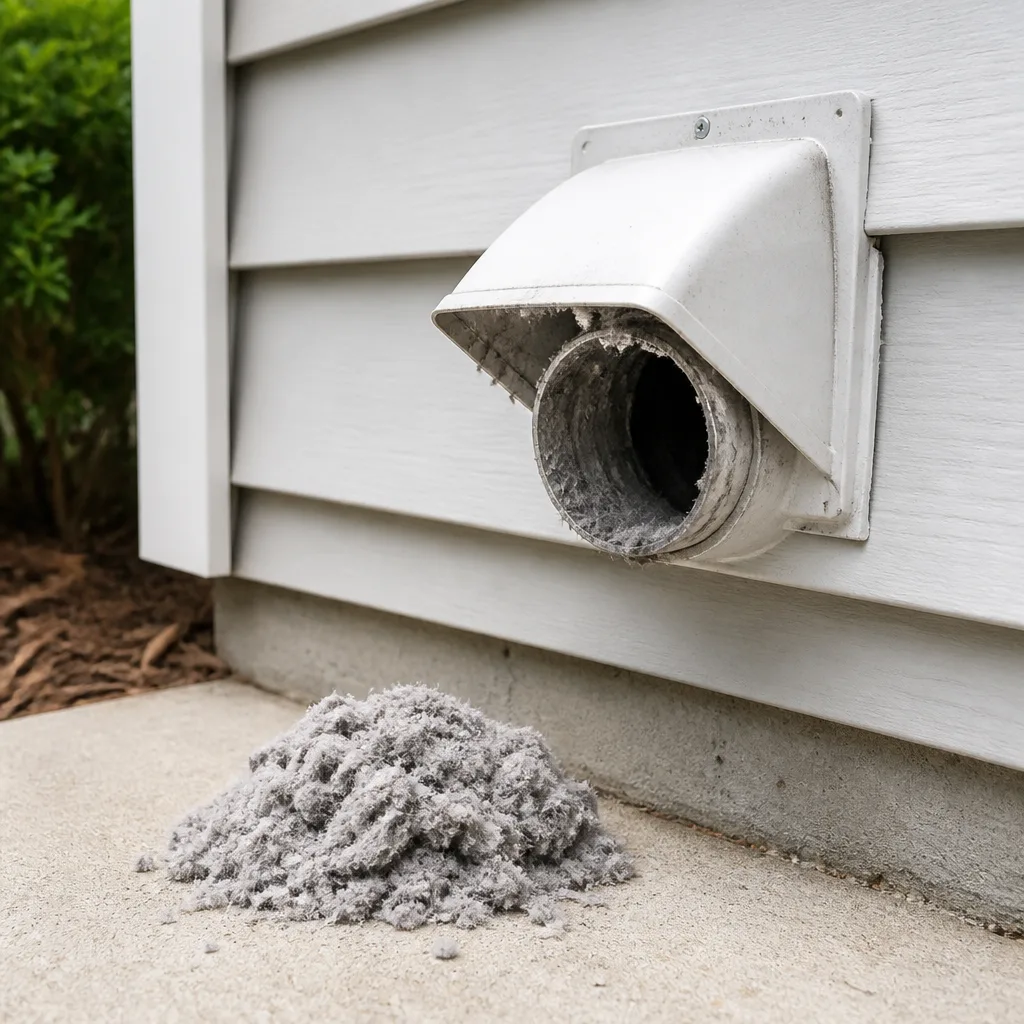 Dryer vent cleaning
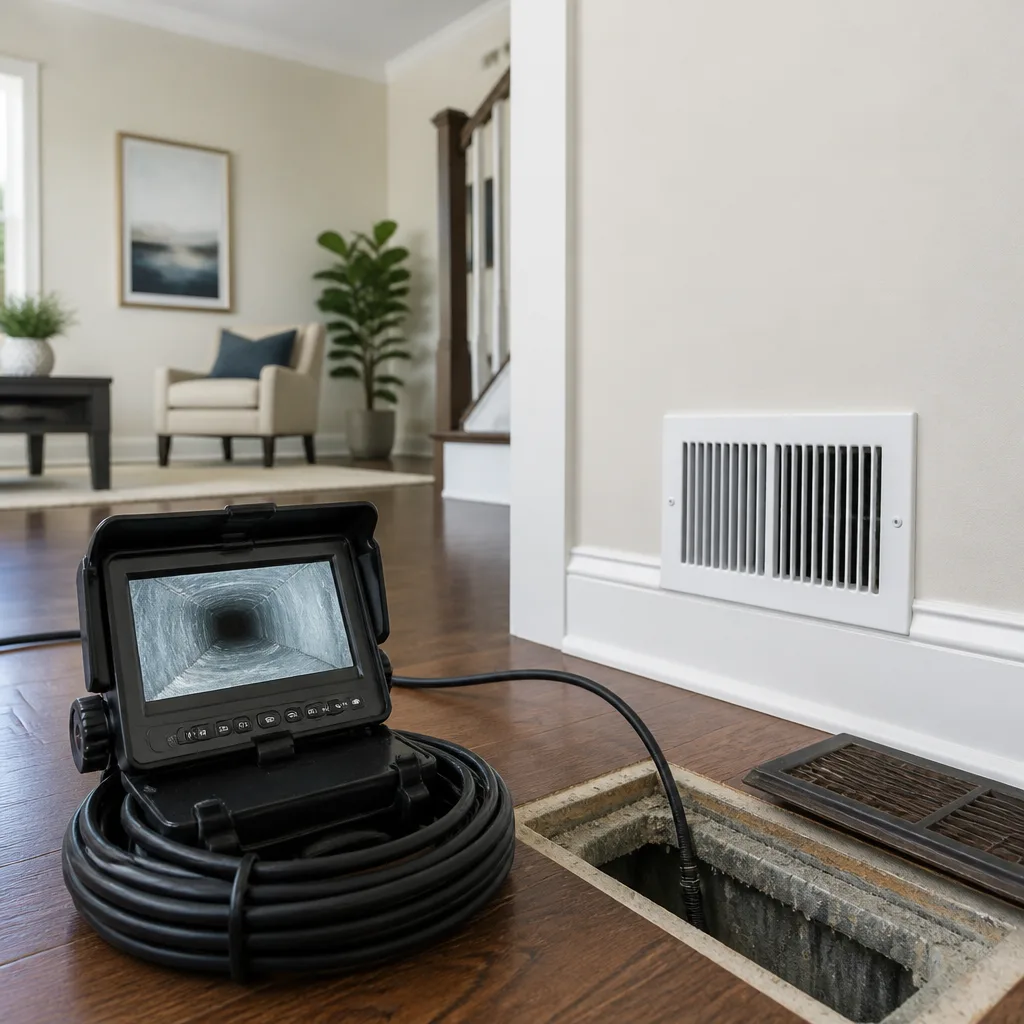 Camera inspection
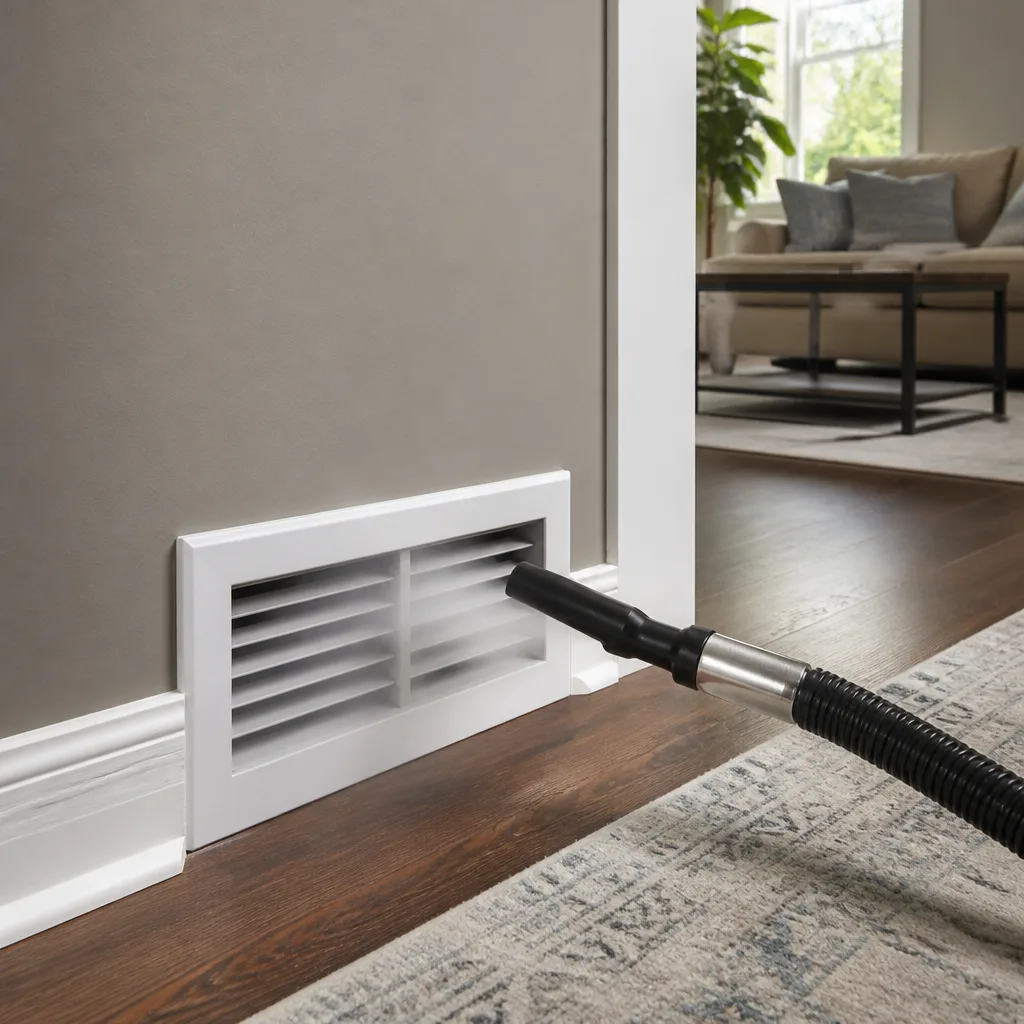 Sanitizing & deodorizing
Whole-system duct and dryer vent check with before-and-after photos - you see exactly what came out of your vents
That "$99 whole-house special" is a bait ad - the real number appears once they are in your hallway, or the "clean" is a shop-vac at the register. We photograph the inside of your ducts before and after instead.
Air Duct Cleaning Cost Breakdown: The Everett Homeowner’s Reference for 2026
A $149 whole-home duct cleaning quote and a $650 whole-home duct cleaning quote are not the same service with a different markup. They are operationally different procedures that produce different outcomes. One uses a portable vacuum and a spinning brush, agitates dust loose, and leaves a portion of it to settle back into the system. The other pulls the whole home into negative pressure with commercial equipment, cleans every branch line with contact tools, and proves the result on camera. The price tiers track the equipment class and the verification, not the labor hours.
This guide breaks down what each tier in the Everett market buys and what it doesn’t. You’ll see how per-vent and system-based pricing differ, which local housing and crawlspace conditions drive cost here, how repair and contamination work gets priced, and the specific questions that expose a thin quote before you write a check.
Quick Answer
Air duct cleaning in Everett typically runs about $300-$700 for a whole-house system, with entry-level portable work at $99-$250 and contamination-level jobs (heavy debris, biological growth, or needed repair) reaching $900 or more. The estimate is free, the price is set per job by a written estimate, and the scope should name the equipment class and whether cleaning is verified. A per-vent price tells you almost nothing about what the job actually is.
Styles & brands we work with
- Whole-home duct cleaning
- Dryer vent cleaning
- Camera inspection
- Sanitizing & deodorizing
Table of Contents
- What Do the Different Price Tiers Actually Buy?
- Per-Vent Pricing vs. System-Based Pricing: Which Is Honest?
- What Makes Duct Cleaning More Expensive in Everett?
- Crawlspace and Attic Access: The Hidden Cost Driver
- Air Duct Repair: What Cleaning Alone Can’t Fix
- When It’s Not Dust: Contamination, Mold, and Different Licensing
- Red Flag Pricing Patterns and the Questions That Expose Them
- How Do You Confirm the Work Was Actually Done?
What Do the Different Price Tiers Actually Buy?
Most homeowners shopping for air duct cleaning in Everett compare a handful of quotes and assume the difference is sales tactics. It usually isn’t. The tiers below reflect real differences in equipment, process, and post-job verification.
The $99-$199 tier: portable equipment and agitation
At this level, the technician arrives with a portable shop-style vacuum and a brush head on a flexible rod. The brush breaks dust loose inside the duct, and the vacuum catches a portion of it at the register. There is rarely a before-and-after camera scope, because there’s no camera on hand. Access is usually through the registers only, so the main trunk line, the branch takeoffs, and the plenum near the furnace get limited attention. The dust that’s dislodged but not captured settles back into the system over the following weeks.
The $400-$700 tier: negative pressure, contact tools, scope
Better work pushes the whole system into negative pressure with a truck- or trailer-mounted HEPA vacuum, then cleans every accessible branch line with contact tools and air whips. The vacuum holds the dislodged debris at the source instead of letting it circulate into the living space. That tier also typically includes a before-and-after camera inspection of the trunk line and at least one branch, and a written scope identifying what was cleaned.
The $900+ tier: contamination and repair
When the job involves biological growth, rodent debris, or a breached duct that needs structural repair, the price climbs because the job no longer looks like cleaning. It’s containment, removal, repair, and re-verification. Scope and equipment class matter more than ever at this level.
Per-Vent Pricing vs. System-Based Pricing: Which Is Honest?
Per-vent pricing (a flat rate for each vent, typically $15-$40 per register) sounds transparent. In practice it rewards speed. The technician is paid per opening, so the incentive is to hit all 18 registers fast and leave. The trunk line, the main plenum, the branch takeoffs, and the coil face are usually excluded from per-vent pricing because they aren’t vents. Yet those are the spots where the heaviest accumulation sits.
System-based pricing accounts for the whole air path: the return plenum, the main trunk, each branch run, and the supply side. A quote is a single system figure with the scope written out. Below is what a compare-and-contrast looks like in practice.
- Per-vent quote: “18 vents at $25 each = $450.” Sounds clear, but the trunk line and plenum aren’t in the scope.
- System-based quote: “Whole-house system cleaning including trunk, plenum, and 18 branch runs, camera-verified before and after = $525.” Same house, wider scope.
- Per-vent quote on a small home: 8 vents at $25 = $200. But a small home with a complex crawlspace run still costs more to do right than the vent count implies.
- Per-vent quote on a large home: 24 vents at $25 = $600. A larger system, more branches, but the same equipment cost.
The cleaner model is one flat price per system, agreed on the written estimate before any work starts. The number doesn’t shift because a technician found an extra vent on the second floor. It’s a system, priced as a system.
What Makes Duct Cleaning More Expensive in Everett?
Housing stock in Everett varies from 1920s bungalows to late-1990s subdivisions and newer construction near the waterfront and Silver Lake. Each era brought a different duct philosophy, and each one changes what a real cleaning costs.
Older homes and uncased fiberglass duct board
Homes built through the 1970s and 1980s in Snohomish County frequently used fiberglass duct board for trunk lines and plenum transitions. Uncased duct board is fragile: it can fray where it’s cut for takeoff collars, and interior surfaces shed glass fibers over time. Cleaning equipment has to be adjusted so contact tools don’t tear the material further, and any compromise found during cleaning typically triggers a repair line item on the estimate. That repair work is what separates a $350 cleaning from an $800 job on the same square footage.
Crawlspace and subfloor routing
Many Everett homes route supply and return ducts through the crawlspace. Access is often tight, sometimes only through a hatched opening at the foundation wall, and the ducts may be flex lines suspended off the joists. A crawlspace run adds access time and sometimes requires a pre-cleaning visual walk of the space to check for moisture, rodent activity, or damaged duct insulation. That’s a legitimate cost variable, not a sales tactic.
Climate-related accumulation
Everett’s wet winters and shoulder seasons mean the HVAC system spends more time cycling on and off than in a drier climate, and indoor humidity sits high for months. That’s a favorable environment for dust to clump and hold on duct surfaces, and for condensation issues at duct transitions and in crawlspace lines. Homes with light mechanical filtration often show heavier accumulation per year than the national average.
Duct repair discovered on the day
Disconnected takeoffs, collapsed flex sections, and failed mastic joints are common in homes past the 15-year mark. Cleaning without repairing them is work that gets undone by the next heating season, so a repair line on the estimate usually means the cleaner found something real.
Crawlspace and Attic Access: The Hidden Cost Driver
Access is where low quotes and honest quotes diverge most. A portable setup reaches the register openings and stops. A commercial negative-pressure system has to connect to the system at a point that captures the entire air path, and that connection point is usually at the air handler or the main trunk. Getting there in a crawlspace takes time.
Here’s how a properly scoped crawlspace job usually runs, in order:
- Walk the space first. A technician visually inspects the duct run for moisture, damaged insulation, rodent activity, and disconnected sections before any equipment is unloaded.
- Set the connection. The vacuum is connected at the air handler or trunk access. Registers and returns are sealed so the negative pressure pulls from the whole system rather than the room.
- Clean the branch runs. Air whips and brushing tools move through each line while the vacuum holds debris at the source.
- Clean the trunk and plenum. Contact tools reach the main runs, coil face, and any accessible plenum surfaces.
- Repair what’s found. Breaches, disconnected takeoffs, and crushed flex are fixed before the system is put back together.
- Scope and photograph. Before-and-after camera documentation of the trunk and at least one branch line confirms the result.
Each step costs time, and time is what’s missing from a $149 quote on a crawlspace home.
Air Duct Repair: What Cleaning Alone Can’t Fix
Cleaning removes debris. It doesn’t reconnect a joint, restore a crushed flex section, or replace a compromised duct board panel. Homes over the 15-year mark frequently have one or more of these issues, and the tell is usually the same: rooms that never quite heat or cool like the rest of the house, or dust that returns within weeks of a cleaning.
When our team finds a breach during cleaning, the repair is quoted as a separate line on the estimate with the affected run named. Typical repair items on an Everett job include disconnected takeoff collars at the trunk, crushed or sagging flex runs in the crawlspace, damaged duct board at the plenum, and failed mastic joints at branch transitions. Repairing the connection means the cleaning actually holds up through the next heating season instead of pulling dust back in from the crawlspace.
Not every duct cleaning provider carries repair capability. If the answer to “do you repair what you find?” is a referral to a different company, that’s information about the scope you’re really buying. We repair what others walk past, and we price it as part of the same visit rather than sending you to a second contractor. The full scope of air duct cleaning includes looking for these structural problems, not just removing dust.
When It’s Not Dust: Contamination, Mold, and Different Licensing
Standard duct cleaning removes accumulated dust and debris. When the inspection turns up visible biological growth, sustained moisture damage, or rodent contamination, the job crosses into a different category, and the cost usually sits in the $900 to $1,500+ range rather than the $300-$700 band. The work itself changes: containment barriers go up, HEPA filtration runs throughout, surfaces are treated, and the repair to whatever caused the moisture (a failed connection, condensation, a roof leak path) has to be resolved first.
Mold remediation is licensed differently from duct cleaning in Washington. If a company tells you during a cleaning that you have mold and offers to remediate it on the spot, ask for their remediation credentials in writing. We handle the duct cleaning, the duct repair, and the contamination-level air quality work our Abatement Technologies equipment allows, and we’ll be straight with you about when a job needs a licensed mold remediation contractor to come in first.
If the ducts were the mechanism for spreading moisture or debris, cleaning and repairing the system is the fix that matters most, and it usually needs to happen after any remediation work settles. The best time to ask about that sequence is during the estimate, not the day of the job.
Red Flag Pricing Patterns and the Questions That Expose Them
Unusually low quotes almost always reflect equipment limitations, not efficiency. A $99 coupon price doesn’t arrive with a $40,000 truck-mounted HEPA system; the economics don’t work. Understanding what’s actually behind a low number protects you better than shopping for the next lowest one.
- Per-vent teaser price. A very low per-vent rate that excludes the main trunk line and plenum. Ask: “Is the trunk and plenum included, or just the vent openings?”
- No equipment named in the quote. A quote that doesn’t say what vacuum is being used is a quote that wants to leave room for interpretation on the day. Ask: “What HEPA vacuum system will you bring, and can I see it in the truck when you arrive?”
- No scope document. If the quote is a single number with no written scope, you have no way to compare it to another. Ask for the scope in writing before you book.
- No camera verification offered. Cleaning without verification is cleaning you have to take on faith. Ask: “Will I get before-and-after photos of my ducts?”
- “We’ll quote the repairs after we start.” Disconnected takeoffs and duct board damage are visible on the walkthrough in most cases. Ask for a repair allowance line on the written estimate.
- Upsell on the day. A cleaning quote that becomes a mold remediation quote in your kitchen without a second written estimate is a red flag. Ask in advance how the company handles contamination findings.
How Do You Confirm the Work Was Actually Done?
Verification is the difference between paying for a service and paying for a result. The strongest process is camera-based: the technician scopes the trunk line and a representative branch line before cleaning, captures images of the deposit, then scopes the same points after cleaning and shows you the comparison. Cleaning you can see is cleaning you can trust.
Our technicians carry Duct Cleaning Everett equipment built around this: a Rotobrush system that pairs mechanical brushing with real-time camera inspection, so the inside of the system is visible at both ends of the job, and Nikro HEPA vacuum equipment for the negative-pressure side. The vacuum traps the dislodged debris instead of recirculating it, and the camera shows what the system looks like when we’re done. On jobs where filtration upgrades are appropriate afterward, we work with Honeywell and Aprilaire components to add media filtration sized to the system we just cleaned. The point is a documented result, not a claim.
Common Mistakes to Avoid
- Comparing quotes without comparing scope. A $149 quote and a $650 quote for the same house describe different work. Ask for the scope in writing, then compare. Otherwise you’re comparing a brush, a portable vacuum, and a cordless drill to a truck-mounted HEPA system with a camera.
- Booking per-vent pricing on a crawlspace home. Everett crawlspace runs take real time to access and clean, and per-vent pricing pushes the technician toward speed at the register openings. Ask for a whole-system price before you agree.
- Cleaning without repairing what’s discovered. Disconnected takeoffs and crushed flex pull the ductwork back into the same condition within a season. If the cleaning quote doesn’t include a way to address repairs on the same visit, plan for a second job.
- Confusing cleaning with contamination remediation. Standard duct cleaning is not mold remediation and requires different licensing. If a company offers both in the same breath without explaining the difference, ask for credentials in writing.
- Skipping the camera scope. Without before-and-after images of your own ducts, you can’t tell whether the deposit inside the trunk line was removed or just rearranged. Ask for photos on every quote.
- Ignoring the dryer vent. A dryer vent line clogs the same way supply ducts do, and the consequence is a fire risk rather than a comfort issue. A separate dryer vent cleaning is one of the least expensive safety services on the list.
- Assuming “sealed” means “sealed.” Underperforming rooms are usually a duct repair question, not a cleaning question. If one room is consistently off, ask for a visual crawlspace walk of that run before the cleaning estimate is finalized.
See the difference
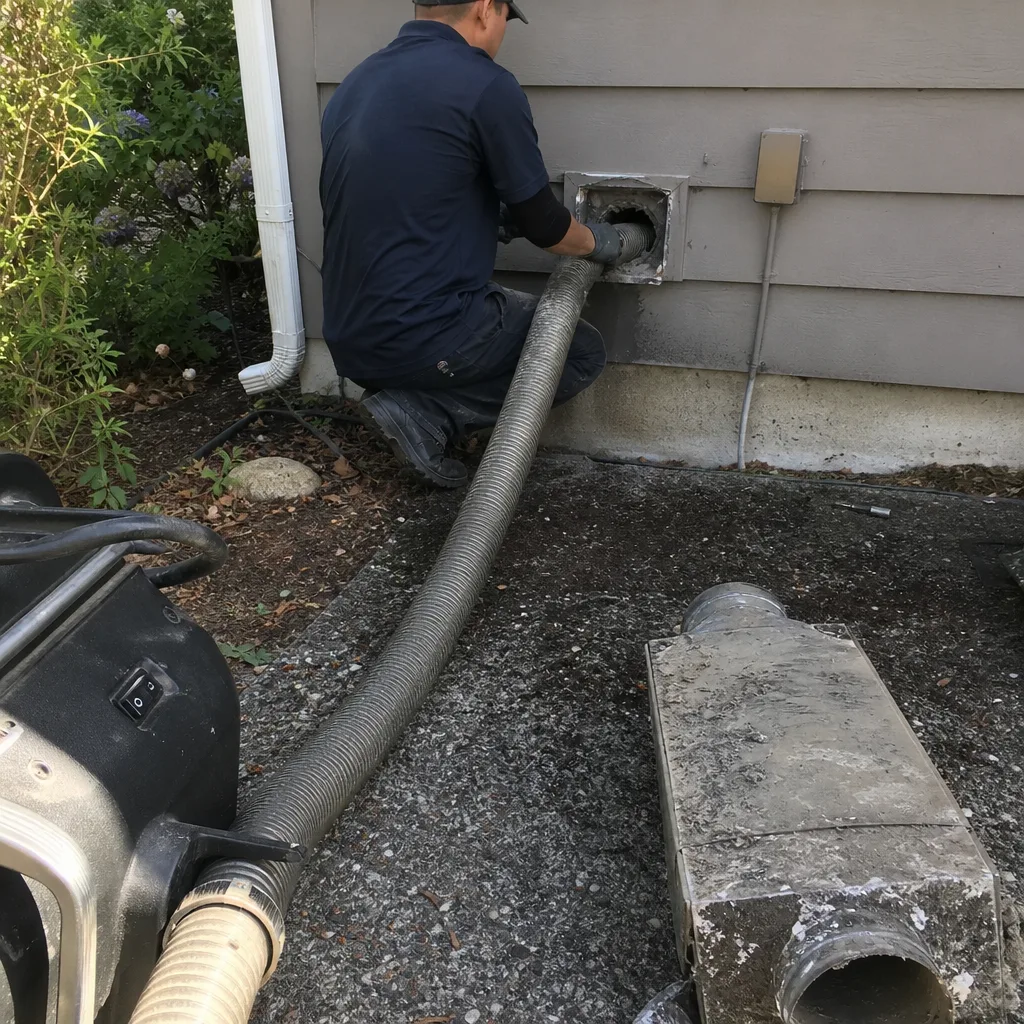 Before
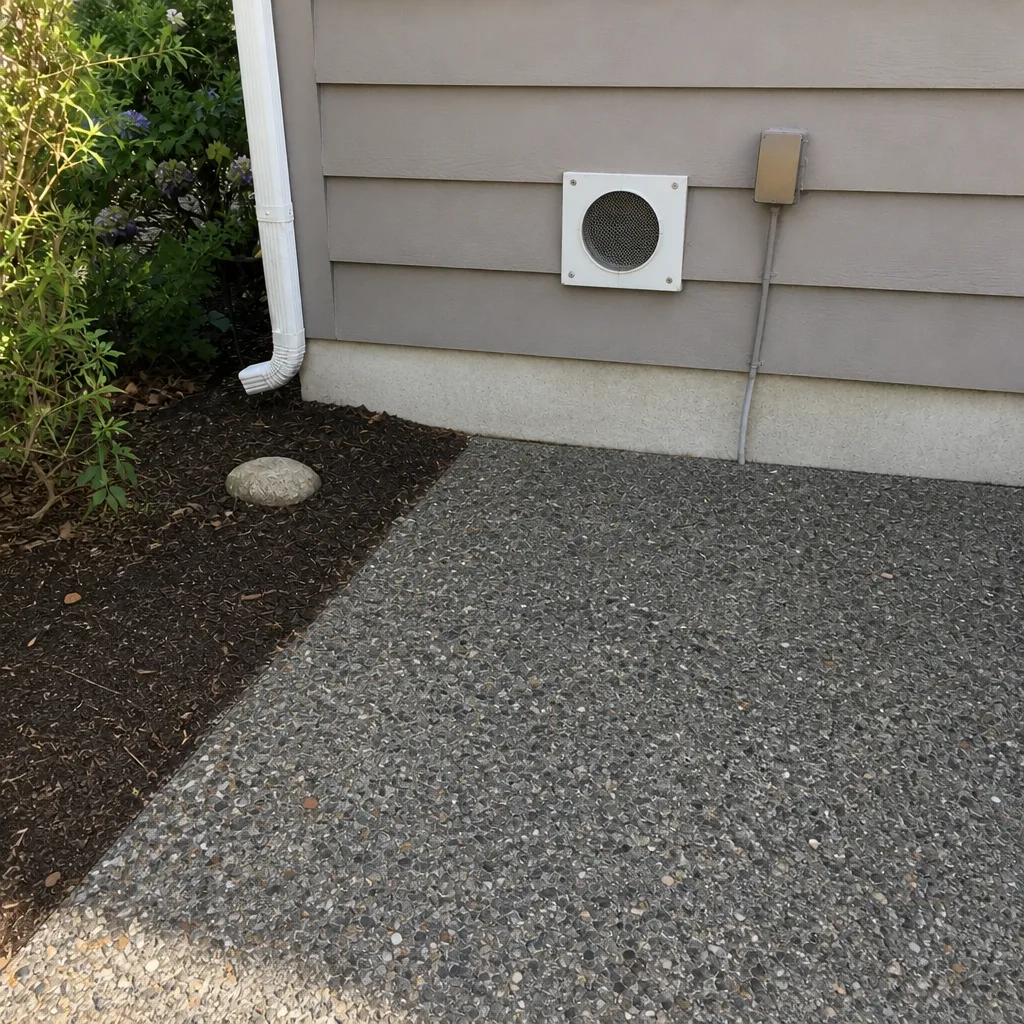 After
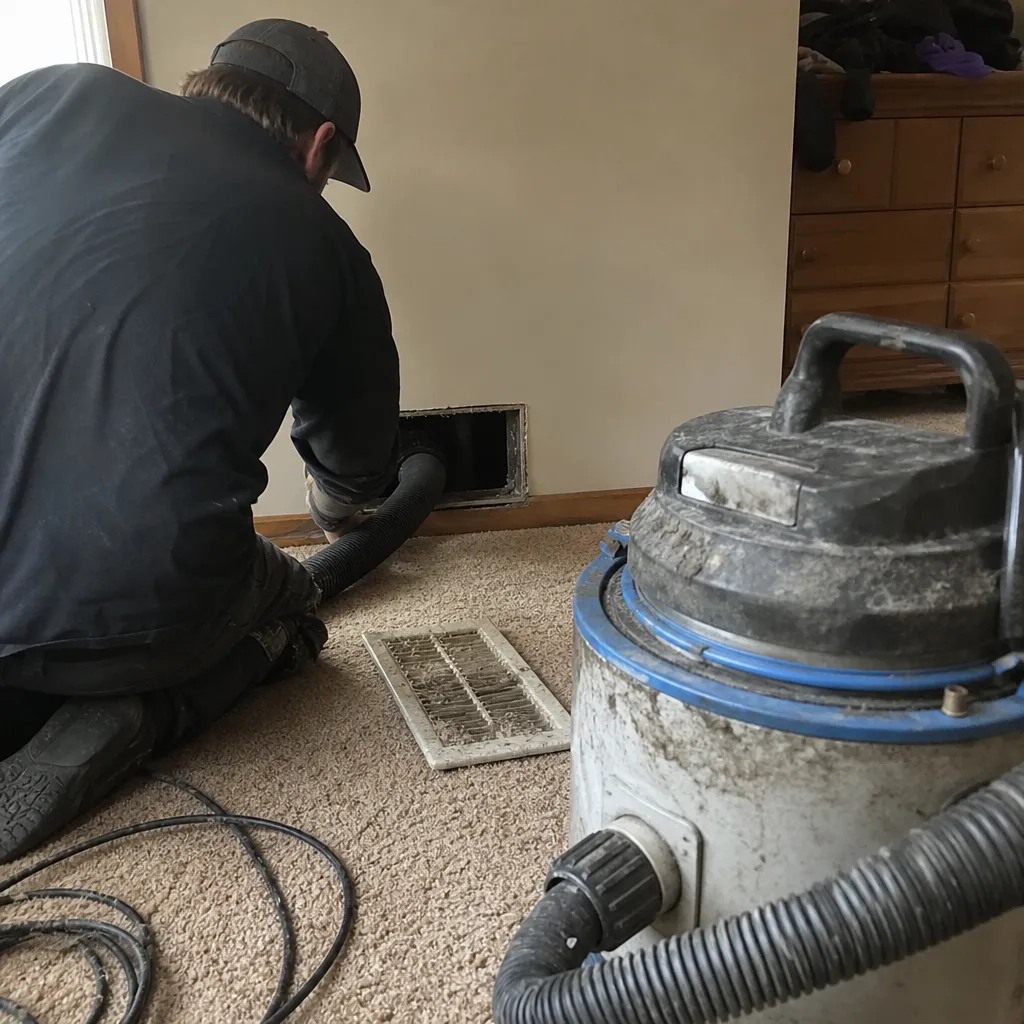 Before
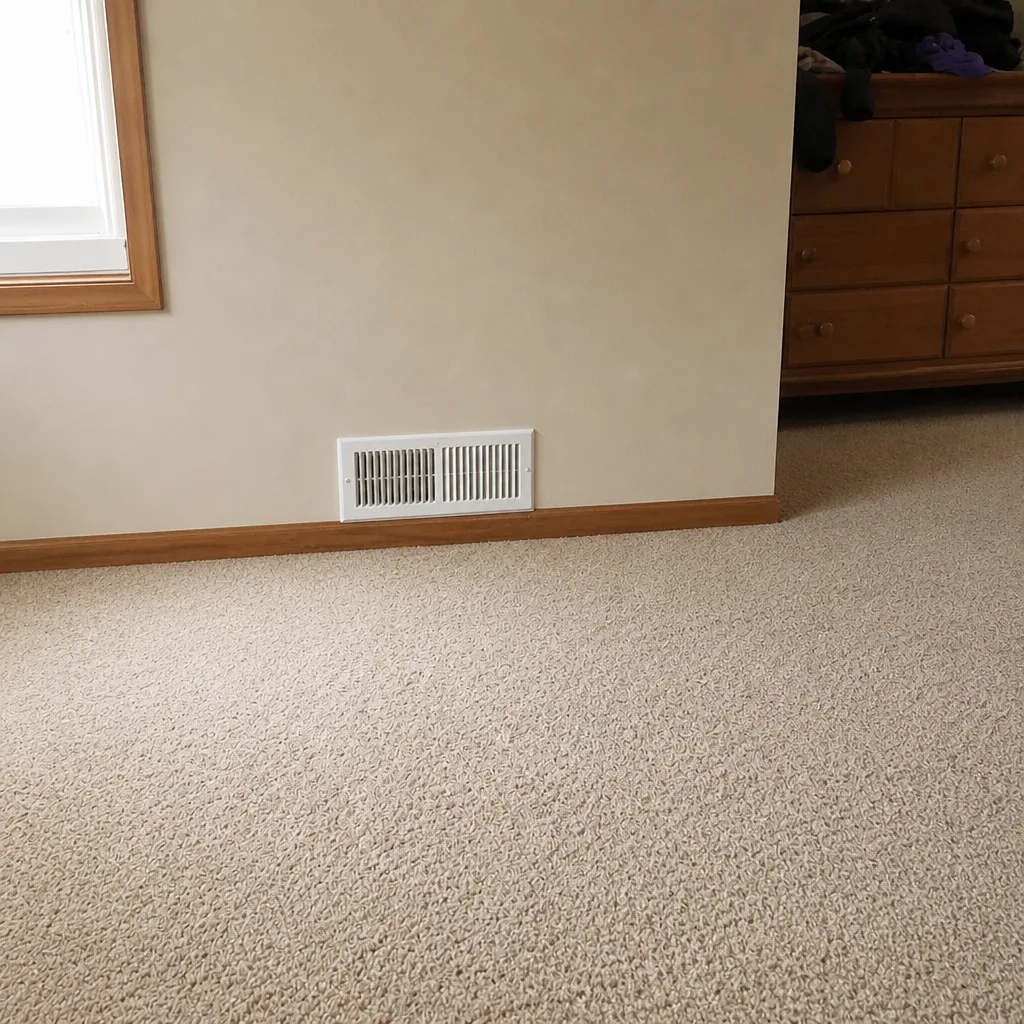 After
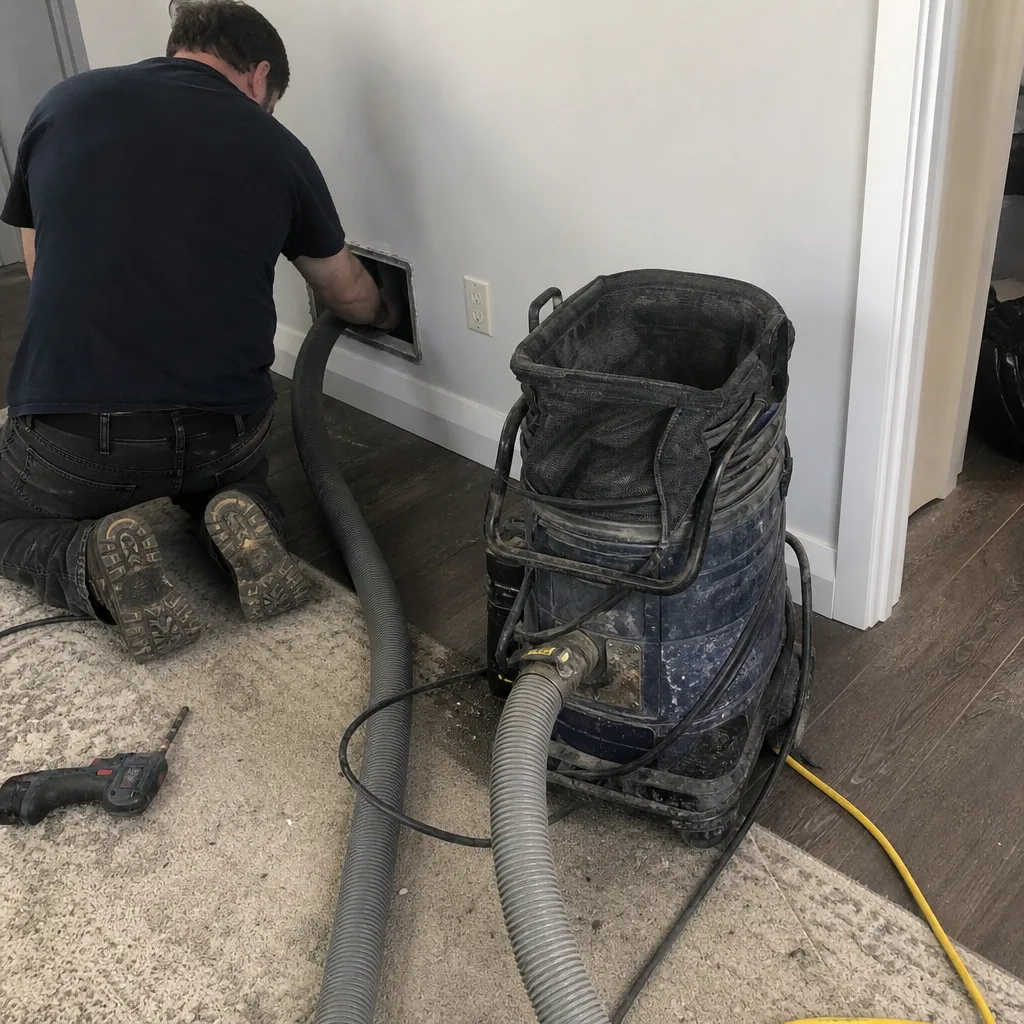 Before
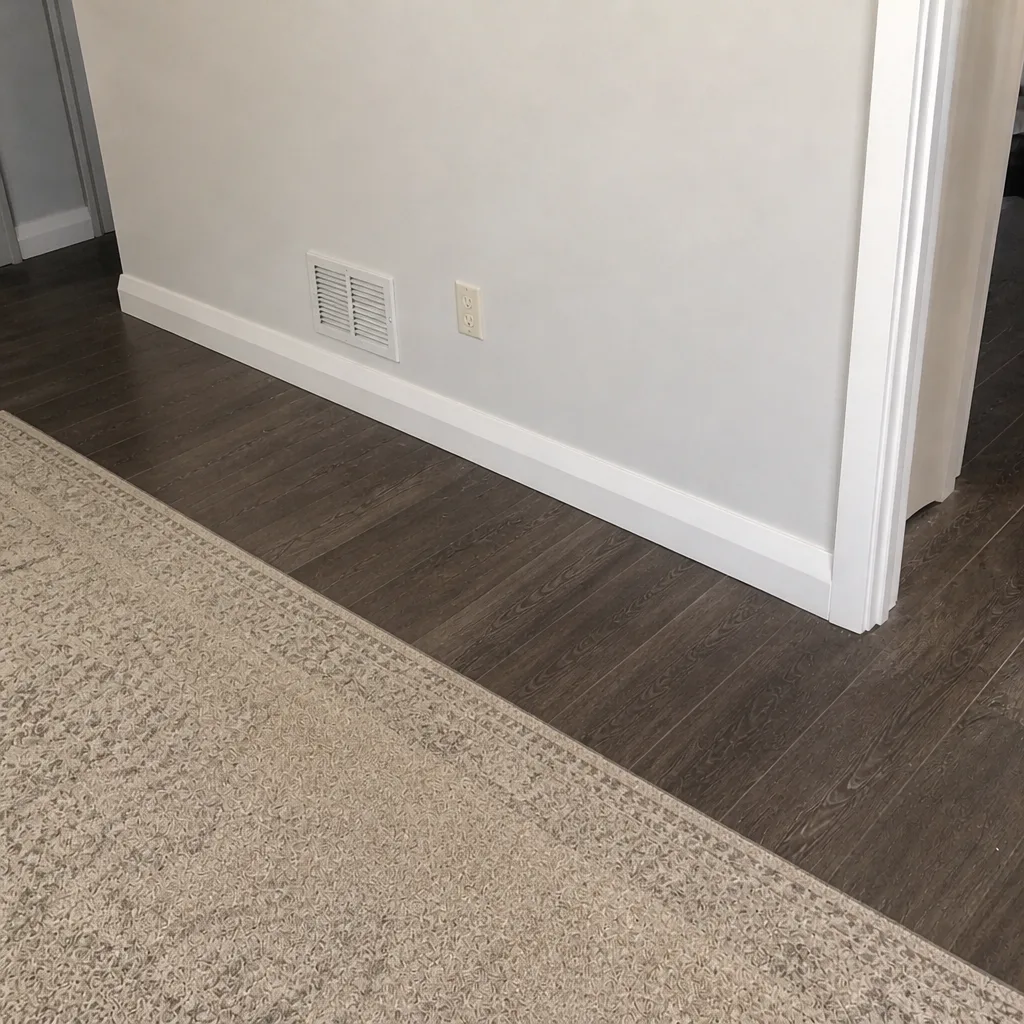 After
When to Call a Professional
Call for a free estimate when you’re buying a home in Everett and want the ductwork documented before closing, or when the previous owner’s records don’t show any duct service in the last decade. Call when you’ve had visible dust returning to surfaces within weeks of a cleaning, when certain rooms never heat or cool properly, or when a high-efficiency filter change schedule isn’t matching the visual dust load. If anyone in the home has noticed musty odor coming from a return register, call before cleaning, because the sequence matters: contamination findings should be scoped first, not added on the day. And call for dryer vent clearing if the dryer has started taking two cycles to dry a standard load. Duct Cleaning Everett offers free estimates in Everett and the surrounding area. Call (833) 991-7936. We answer 24/7. Fast dispatch from 7am to 7pm, Sunday through Friday, closed Saturday.
Frequently Asked Questions
Expect $300-$700 for a whole-house system at professional quality, with contamination-level and repair-inclusive jobs at $900 or more, and entry-level portable work at $99-$250. The written estimate sets the final price, and the estimate is free. Call (833) 991-7936 for an exact quote.
Because they describe a different procedure. Low quotes are built around portable vacuums, register-only access, and no camera verification, while higher quotes include truck-mounted negative pressure, trunk and plenum cleaning, contact tools, and a documented before-and-after. The gap isn’t markup, it’s equipment and scope. Call (833) 991-7936 to walk through what a real Everett quote for your home includes.
Most homes in the Everett area do best with a professional clean every 3 to 5 years, sooner if the home is older construction with duct board, has crawlspace runs with any moisture history, or has had a major renovation. The right interval depends on what the walkthrough and camera scope actually show. Call (833) 991-7936 for a free assessment.
You get before-and-after camera images of your own ducts. Cleaning without verification is verification on faith, and the camera is the tool that closes that gap. Ask any provider what documentation they hand over at the end of the job. Call (833) 991-7936 to schedule a free estimate with camera verification built in.
Often yes, because older housing stock in the area includes uncased fiberglass duct board trunk lines, crawlspace-routed branches that take extra time to access, and repair findings that add a legitimate line to the estimate. Newer homes usually sit in the core $300-$700 band. Call (833) 991-7936 to get a scope-based quote on your specific house.
In most cases, yes. Disconnected takeoff collars, crushed or sagging flex runs, and failed mastic joints are usually repairable the same day the cleaning happens, with the repair quoted separately on the estimate before work starts. Structural duct board replacement is sometimes a follow-up visit. Call (833) 991-7936 for a free estimate that includes a repair walkthrough.
The Bottom Line
In the Everett market, $99 and $650 quotes for the same house rarely describe the same job. The price tiers track equipment class (portable versus truck- or trailer-mounted HEPA), scope (register-only versus whole-system including trunk and plenum), verification (no camera versus before-and-after scope), and repair (none versus what’s actually found and fixed). Here in Everett, housing-era details like uncased fiberglass duct board and crawlspace routing add legitimate cost variables, and contamination findings need a scoped estimate rather than a same-visit upsell. Read every quote as a scope document, ask what equipment arrives and what proof you’ll get, and insist on one flat price per system agreed before work starts. That’s the number that matters.
Written by the team at Duct Cleaning Everett, serving Everett.